Before the Headline
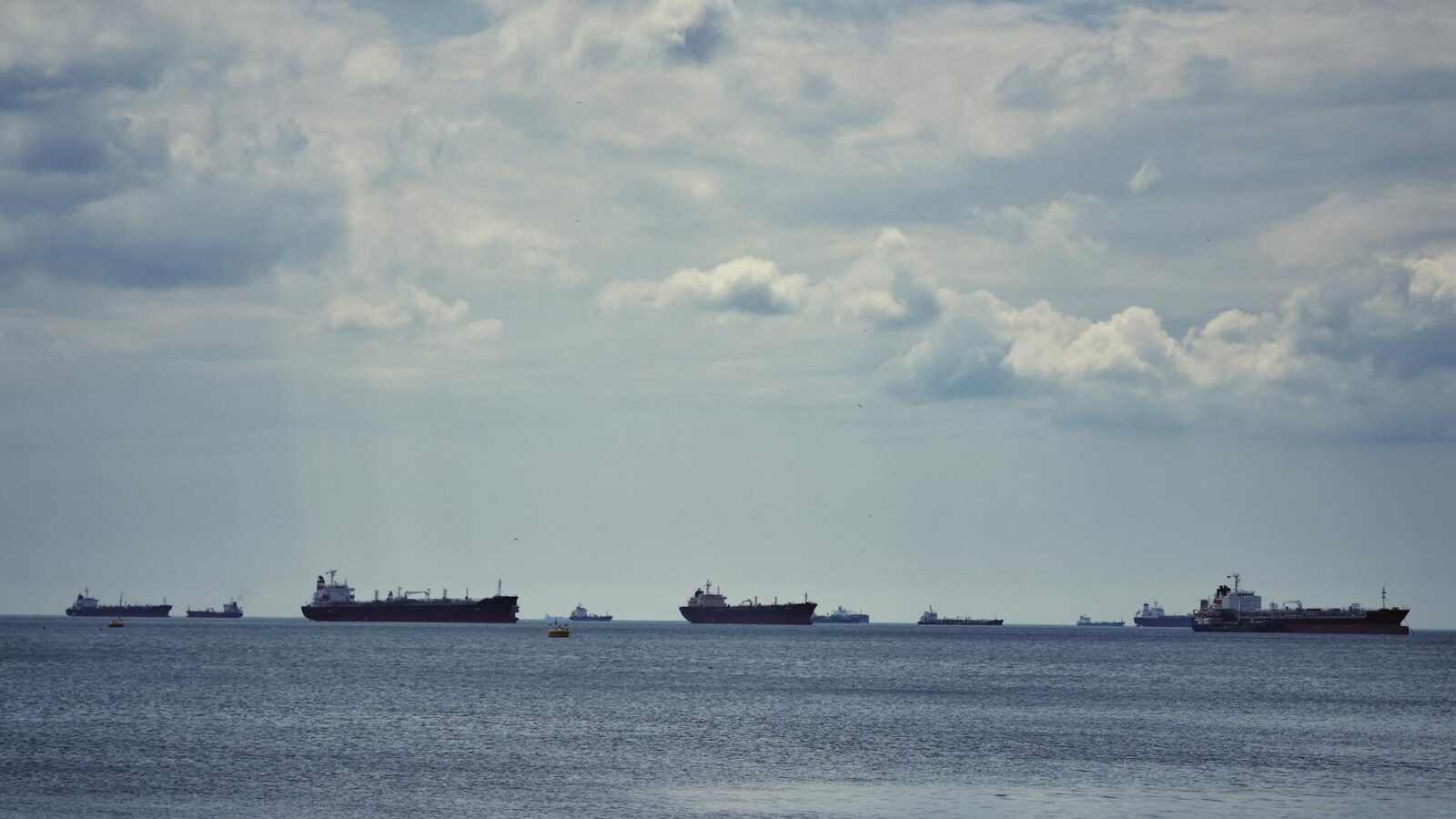
The Strait of Hormuz, a narrow waterway frequently described as the world’s most critical chokepoint for oil, has long been a flashpoint in U.S.-Iran relations. The historical backdrop of skirmishes, sanctions, and proxy conflicts has painted a bleak picture, where diplomatic overtures often dissolve into further hostilities, reminiscent of the tumultuous 1980s during the Iran-Iraq War. The region’s volatility has not only hampered the economies of the Gulf states but has also reverberated through global markets, overshadowing any signs of constructive dialogue.
In a surprising development, Iran has communicated a proposal to the United States, mediated by Pakistan, aimed at reopening the Strait of Hormuz and facilitating an end to the ongoing conflicts in the region. This overture suggests a significant shift in Iran’s strategy, moving away from confrontation towards engagement with the West.
Analyzing the nuances of this proposal reveals a potential turning point for Iran, which has traditionally viewed its geopolitical stance through a lens of resistance. By seeking to reopen the Strait, not only does Iran aim to stabilize a critical shipping route, but it also signals a budding desire for economic cooperation that could transcend decades of enmity. This proposed shift may reflect Tehran’s acknowledgment of the dire economic repercussions stemming from isolation and conflict, as Iran grapples with internal pressures exacerbated by sanctions. Such economic pragmatism, if genuine, could lead to unprecedented negotiations, akin to the late 1980s when Iran sought to end hostilities in the Gulf.
Further examination unveils the layered implications of this initiative. A successful negotiation would likely enhance Iran’s economic stability while simultaneously alleviating pressures on global oil markets, where fluctuations reverberate well beyond the region. The very act of negotiation may alter the perception of Iran within the international community, shifting from pariah status towards a potential partner in regional stability. Such a recalibration could have second-order consequences, fostering an environment conducive to further cooperation on broader issues like counterterrorism and drug trafficking.
Between the Lines
While the proposal itself is a beacon of hope, the mainstream dialogue has largely overlooked the underlying contradictions inherent in Iran’s approach. On one hand, Tehran hopes to project a new image of restraint and cooperation; however, this comes amid ongoing missile tests and proxy engagements that could undermine any goodwill generated by negotiations. The juxtaposition of Iran’s military posturing with its diplomatic overtures raises questions about the sincerity of its intentions and whether internal factions within the Iranian regime will allow for such a transformative pivot.
Additionally, the silence from key players, including the Gulf Cooperation Council and Israel, speaks volumes. While regional allies of the U.S. may welcome a decrease in tensions, they could just as easily view Iran’s overture with skepticism. The lack of immediate responses or support from these actors may signify a hesitance to fully embrace any thawing of relations, instead preferring to keep their options open in a landscape that has historically been riddled with betrayal and rapid shifts.
After the Headline
Looking ahead, several scenarios could unfold if negotiations progress. Key dates to monitor include any announcements from U.S. officials regarding formal talks and subsequent actions by Iran that could either reinforce or undermine their commitment to peace. Should Iran commit to a formal agreement on reopening the Strait of Hormuz, we may witness not only a reduction in global oil prices by as much as 15% by Q2 2025 compared to Q4 2023 levels, but also a broader stabilization of the region that has long evaded policymakers.
Indicators to watch will include fluctuations in oil price indices, reactions from OPEC, and, importantly, the dynamics between Iran and its Gulf neighbors. The forthcoming months will be critical in defining whether this proposal marks the dawn of a new diplomatic era in the Middle East or yet another false start in a lengthy history of conflict.
TIMES Take: Iran’s proposal may be the first step toward a fragile peace, highlighting the complexities of regional diplomacy. If successful, it could transform the geopolitics of the Middle East, carving out a new narrative of cooperation amid decades of conflict.