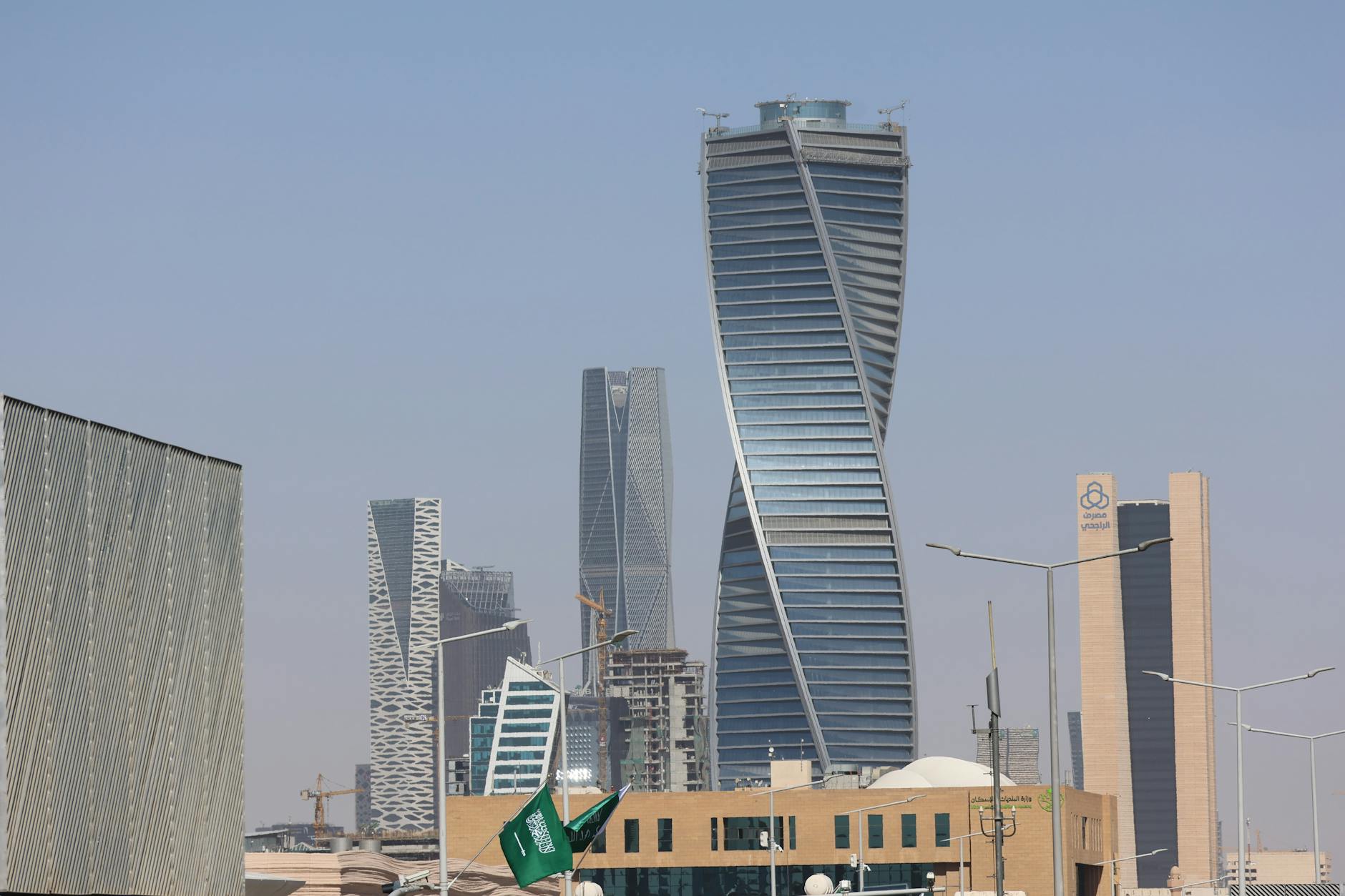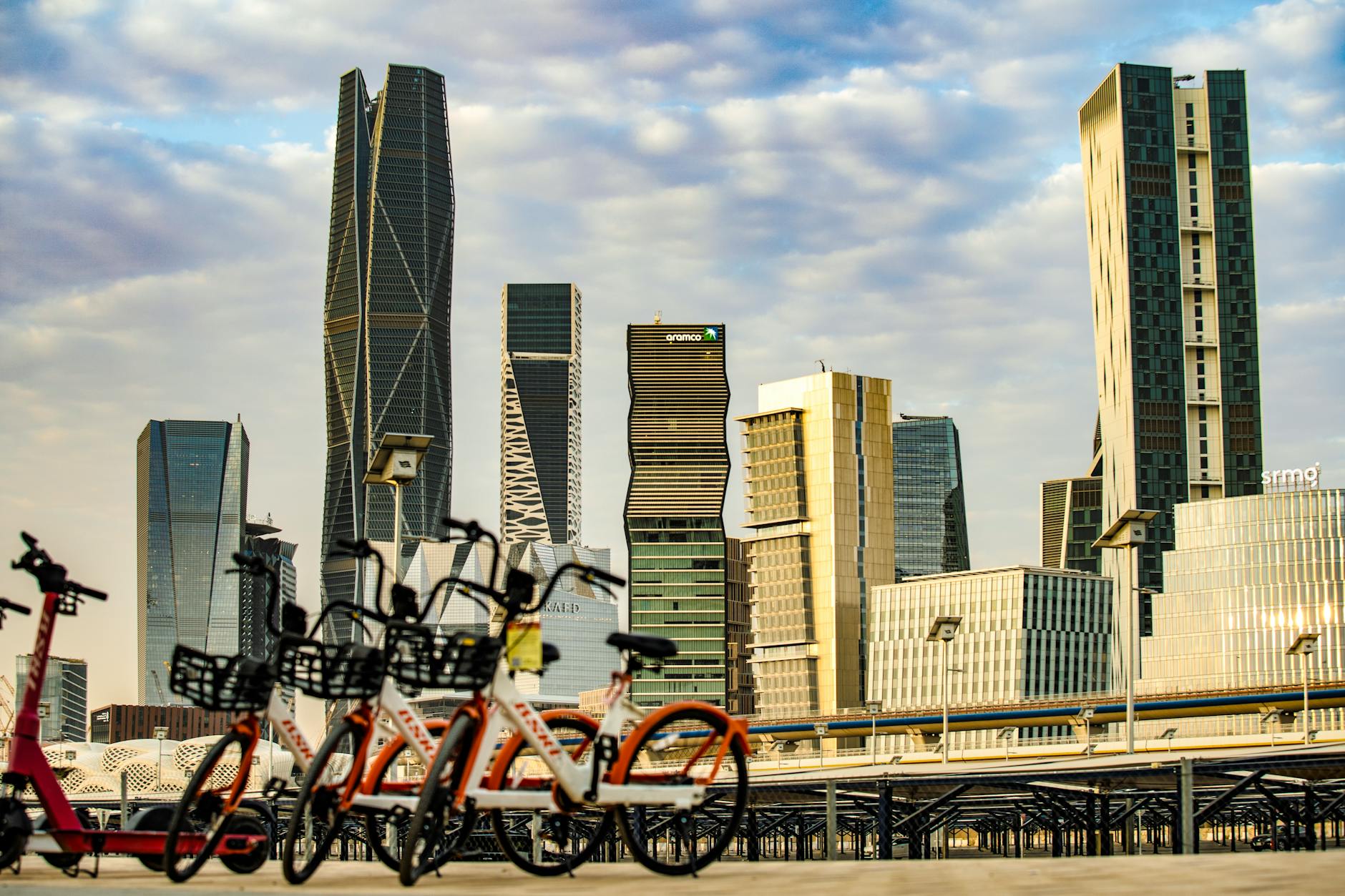
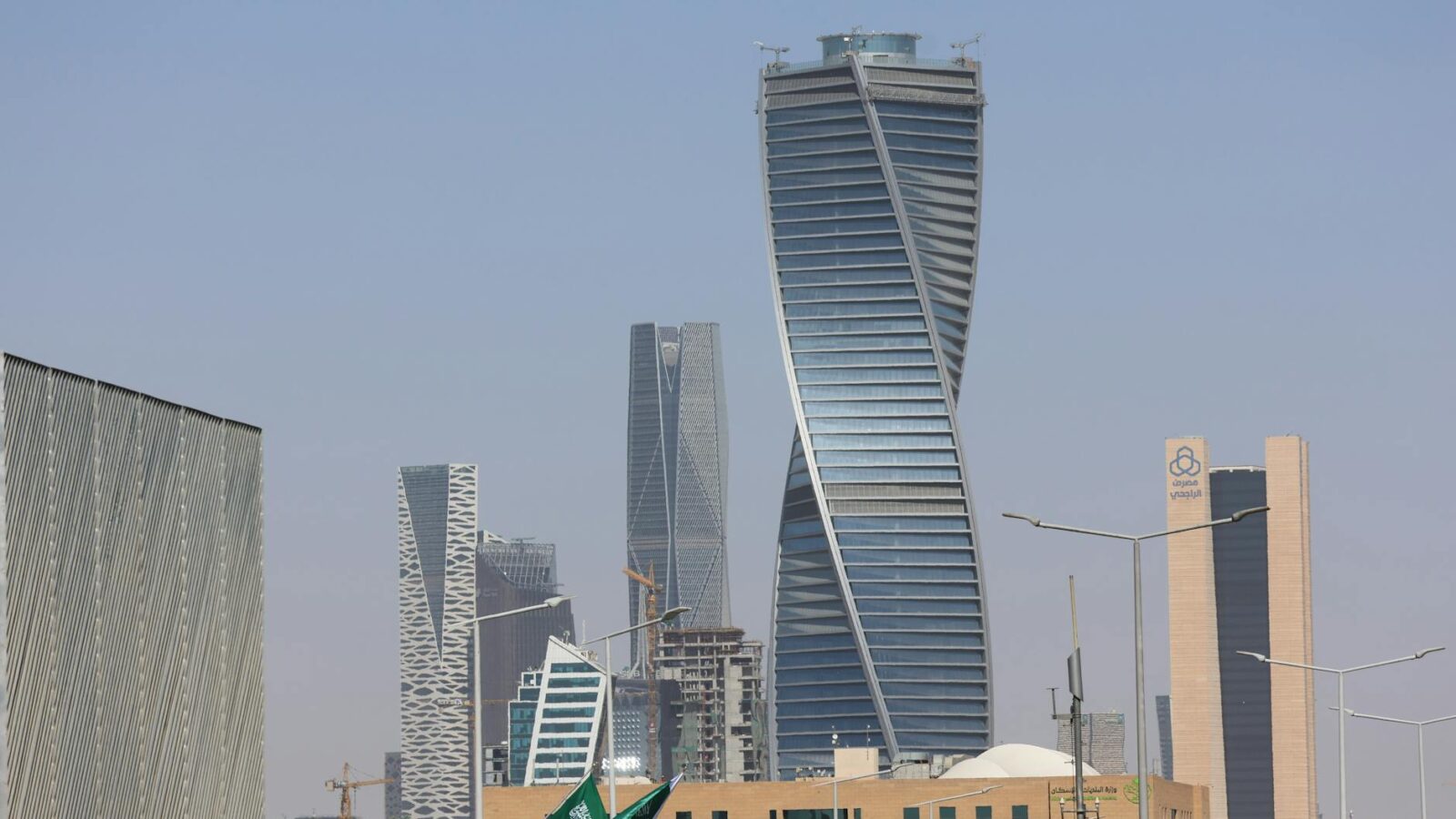
Goldman Sachs activated its first-ever full trading floor in Riyadh this week, with 47 senior traders relocated from London and New York. The opening happened with no fanfare — only a brief LinkedIn post buried late Friday night. But the move signals one of the largest institutional financial migrations in decades.
The hidden reason: Goldman’s prime brokerage clients increasingly include Gulf sovereign wealth funds and family offices, with combined assets exceeding $5 trillion. Servicing this capital from London with 8-hour time zone friction was costing the bank significant business to local competitors.
The deeper play: by moving senior traders to Riyadh, Goldman gains same-time-zone access to PIF, ADIA, QIA, and KIA. When Saudi PIF wakes up to trade, Goldman traders are already at desks. London-based competitors will always be 8 hours behind.
🔮 Predictive Scenarios
- 65% — JPMorgan and Morgan Stanley announce competing Riyadh trading floors within 90 days
- 25% — Goldman expands to 200+ traders by Q4 2026 with full M&A advisory
- 10% — London loses senior trading positions to Riyadh in unprecedented brain drain
🎭 Psychological Signals
Goldman’s CEO David Solomon traveled personally to Riyadh for the opening — a decision he had previously delegated to regional heads. This personal involvement tells you everything: when CEOs cross oceans for branch openings, the strategic stake is enormous. Solomon is sending a message that Goldman is staking its future on Gulf capital.
💡 Behind the Curtain
Saudi Arabia’s strategic patience pays off again. While Western analysts debated Vision 2030’s feasibility for years, Riyadh built financial infrastructure that now forces global banks to come to it, not the other way around. This is what’s called gravitational economics — when the capital is so concentrated, it bends the geography of finance itself. A masterclass in long-term positioning.
💬 Join the Conversation
Will Riyadh surpass London as the Middle East’s primary financial center by 2030?