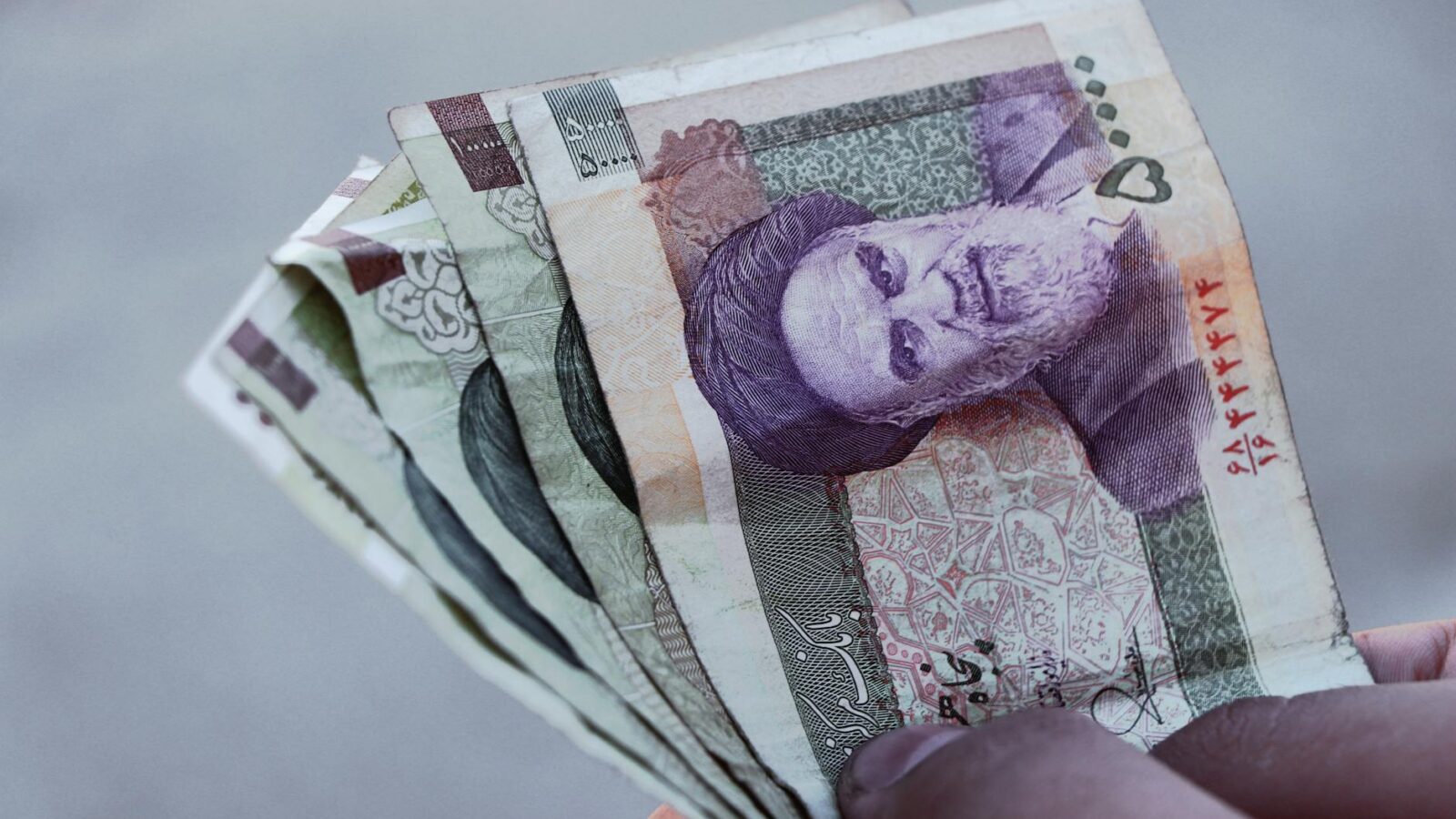
As Iran continues to navigate the tumultuous landscape of war and economic sanctions, a notable shift in its economic strategy has emerged. The Iranian government has announced a reversal of previous currency policies, emphasizing the importance of prioritizing essential goods for its citizens. This decision underscores an acute awareness of domestic unrest and the necessity to stabilize the country as it faces multifaceted challenges on the international stage.
The pivot towards essential goods indicates a strategic move by Iran to shore up public support during increasingly turbulent times. By ensuring that basic items are prioritized in the economy, the government aims to alleviate some of the pressures faced by its populace, thus potentially quelling unrest that often arises from scarcity. This transition is indicative of a broader strategy that seeks to reinforce the government’s social contract with its citizens.
Furthermore, the focus on essentials may lead to a significant increase in state control over the economy. As the government ramps up its efforts to regulate the production and distribution of these goods, it could reshape the landscape of trade relationships, particularly with nations that maintain a sympathetic view of Iran’s situation. The implications of such changes are substantial, suggesting a move towards a more centralized economic framework in response to both internal and external pressures.
The Hidden Angle
Delving deeper into this shift reveals a response not only to immediate economic needs but also to the long-term effects of ongoing sanctions. By reasserting control over essential goods, Iran is likely seeking not just to stabilize its economy but also to consolidate its power amid external pressures. The government’s ability to manage public discontent hinges on its effectiveness in providing these essential supplies, which could ultimately dictate political stability in the region.
This strategic reorientation could further isolate Iran from traditional trade partners while fostering new alliances with countries willing to engage with a more controlled Iranian economy. As state control expands, it may limit Iran’s ability to engage in free trade, compelling it to establish new economic partnerships that align with its current geopolitical realities.
What Happens Next
Looking ahead, market analysis suggests that by Q1 2025, Iran will likely see an increase in state control over 60% of its essential goods market. This expected shift will be characterized by heightened government ownership and regulatory frameworks affecting production and distribution channels. Such developments would be a direct response to the mounting pressures of domestic unrest and the persistent grip of economic sanctions.
TIMES Take: Iran’s focus on essential goods signals a significant shift in economic strategy, with potential long-term consequences for both domestic stability and international relations. As the government navigates these challenges, its ability to maintain control over the economy will be critical in shaping the future landscape of the nation.