Before the Headline
The United States has a long and tumultuous history with asylum policy, tracing back to post-World War II when the nation became a refuge for those fleeing persecution. This historical legacy has been overshadowed by periods of intense political strife and inaction, particularly in recent decades as global humanitarian crises have escalated, leading to a flood of asylum seekers at the southern border.
As the Supreme Court hears a pivotal case that could reshape asylum policy, Congress finds itself at a crossroads. Lawmakers have yet to take decisive steps to address a complex situation that not only involves legal precedents but also the lives of countless individuals seeking safety from violence and oppression.
The paralysis within Congress reflects a broader failure to engage with the pressing humanitarian challenges of our time. As global conflicts and climate crises worsen, the current legislative immobility may result in a tragic status quo, where vulnerable populations remain in peril, often trapped in dangerous conditions or denied access to fair asylum processes. The stakes could not be higher, as the implications of inaction reverberate through society, impacting everything from public opinion to international relations.
What We Know
- The Supreme Court is currently reviewing a significant asylum case that could redefine U.S. asylum policy.
- Congress has failed to pass comprehensive reforms addressing the asylum system in recent legislative sessions.
- As global humanitarian crises escalate, the number of individuals seeking refuge is expected to rise.
What We Don’t Know Yet
- How the Supreme Court’s decision will specifically influence future asylum policies.
- What specific reforms Congress may propose in response to this urgent situation.
Between the Lines
Despite the critical nature of the asylum debate, much of the mainstream narrative has focused predominantly on judicial outcomes, while sidelining the humanitarian implications of legislative inaction. The silence from key lawmakers, many of whom are acutely aware of the growing discontent among constituents, speaks volumes about the political calculus at play, where election cycles may overshadow urgent moral responsibilities.
Furthermore, the current administration’s approach, which oscillates between enforcement and humanitarian assistance, reflects a deep-seated contradiction that may alienate both advocates for asylum reform and those favoring stricter border control. This disconnect not only underscores the complexity of the issue but signals an impending public backlash as frustration mounts over the government’s inability to address pressing humanitarian needs.
What This Means for You
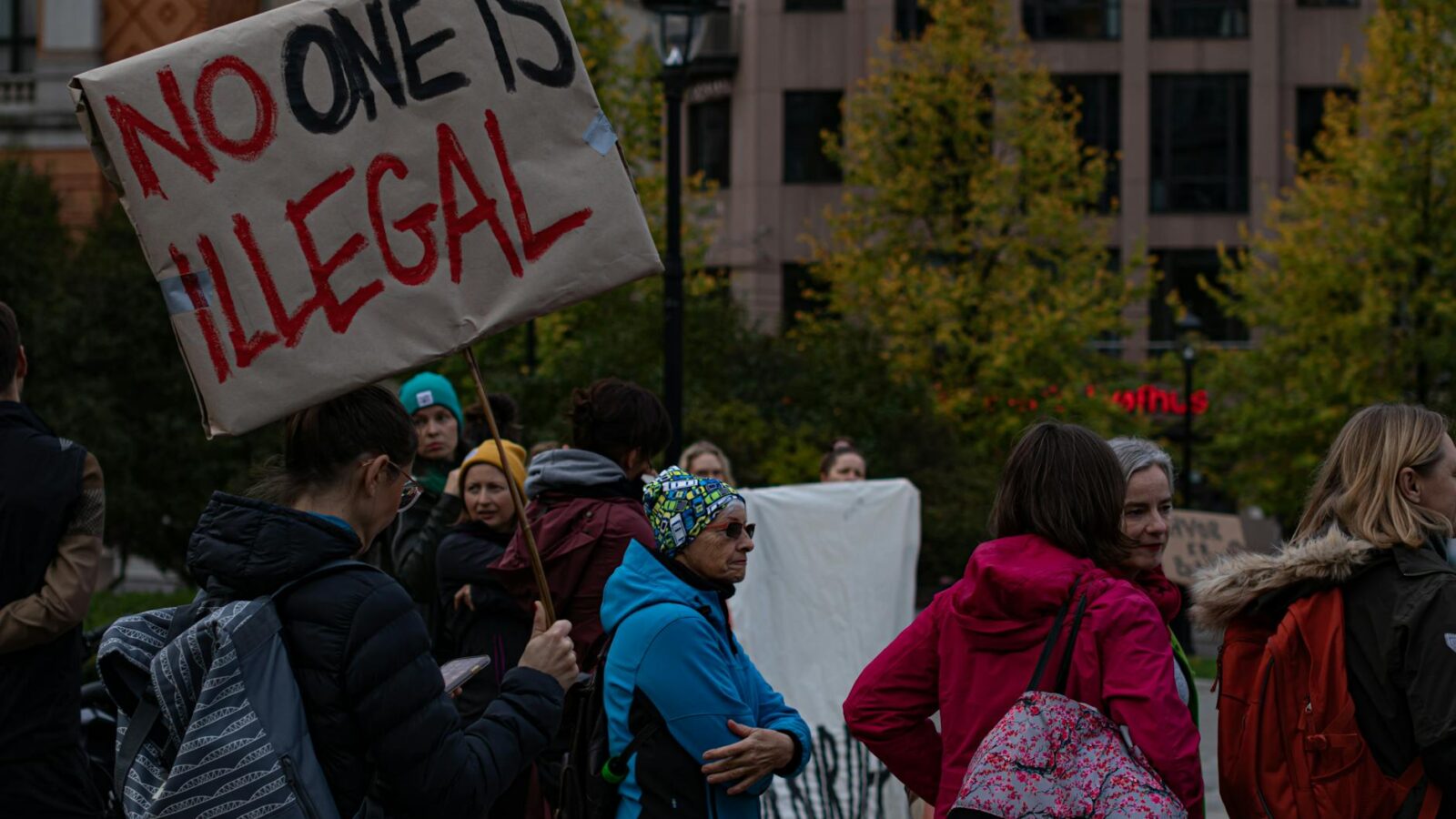
For investors: A failure to modernize asylum policies could lead to increased instability, impacting markets related to security and humanitarian sectors. For commuters: Rising public protests may disrupt urban areas, echoing frustrations about government inaction on humanitarian issues. For advocacy groups: A critical moment looms where mobilization efforts may gain momentum as public dissatisfaction grows regarding the treatment of asylum seekers.
After the Headline
Looking ahead, it is imperative for Congress to address this looming crisis proactively. By Q2 2025, if comprehensive asylum reforms—including expedited processing pathways—are not enacted, we are likely to witness a 30% increase in public protests advocating for humanitarian rights across major U.S. cities. Key dates to watch include upcoming legislative sessions and the Supreme Court’s ruling, both critical indicators of potential shifts in policy.
TIMES Take: The fate of asylum seekers hangs in the balance as political paralysis threatens a humanitarian crisis. Congress must act decisively now, or face a reckoning with an increasingly restless public.