
Before the Headline
In a political landscape increasingly shaped by climate concerns, the U.S. energy sector has long been a battlefield between traditional fossil fuel interests and the burgeoning renewables market. Historically, political leaders have wavered between these two camps, depending on the electorate’s mood and the prevailing economic winds. The Trump administration, which once championed deregulation and energy independence, now finds itself at a crossroads, opting to reinvest in fossil fuels while sidelining burgeoning offshore wind initiatives.
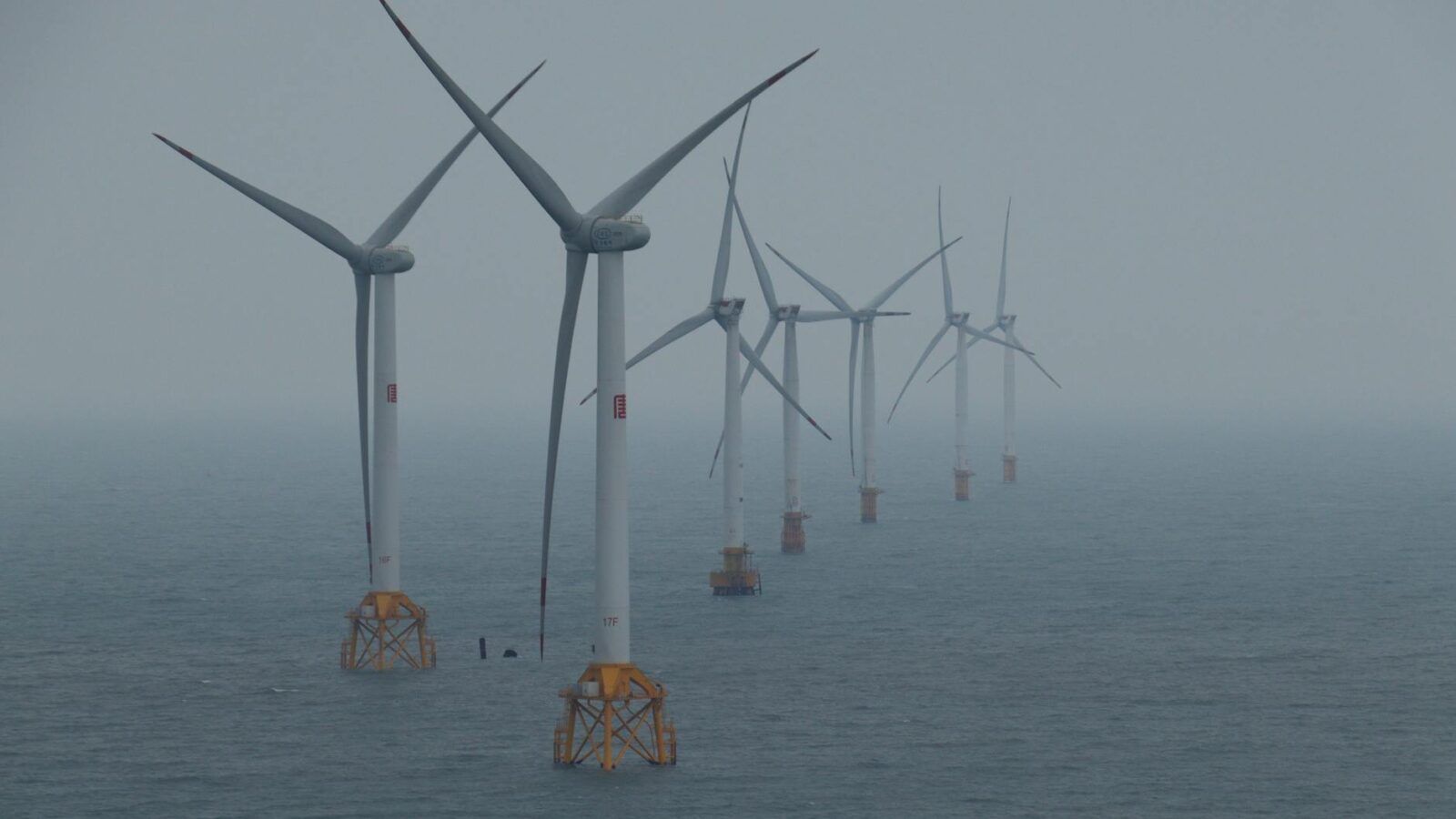
The announcement that the Trump administration will pay two energy companies to abandon their offshore wind ambitions in favor of fossil fuel investments marks a striking policy shift. This decision, made public yesterday, emphasizes a transition that may reflect deeper ideological commitments rather than mere economic calculations.
While mainstream outlets frame this move as a straightforward pivot towards fossil fuels, it underscores a more significant ideological commitment that could alienate environmentally conscious voters. Trump’s administration is effectively signaling that its energy priorities remain firmly rooted in fossil fuels, even as public sentiment increasingly aligns with renewable energy initiatives. This policy could exacerbate tensions within the Republican Party, as the electorate becomes more eco-conscious and begins to prioritize climate issues in their voting decisions.
What We Know
- The Trump administration will pay two energy companies to abandon offshore wind projects.
- Funds will be redirected toward investments in fossil fuels.
- This policy shift reflects an ideological commitment to fossil energy.
- Growing voter concerns about environmental issues could create tension within the Republican Party.
What We Don’t Know Yet
- How significant will the backlash from environmentally conscious voters be?
- What specific fossil fuel projects will receive funding from this initiative?
- How this policy will affect the long-term prospects for renewable energy development in the U.S.
Between the Lines
Critically, the administration’s focus on fossil fuels in the face of mounting climate concerns suggests a disconnect between traditional Republican priorities and the evolving attitudes of the electorate. Despite scientific consensus on the urgent need to transition towards renewable energy sources, the administration’s actions appear to solidify a commitment to an industry often viewed as a relic of the past.
Moreover, as environmental issues gain traction among voters—especially younger generations—this policy could lead to a fracture within the Republican base. The party, already grappling with internal divisions, risks further alienation of voters who prioritize environmental stewardship, potentially leading to a reevaluation of its energy policies as the 2024 elections approach.
What This Means for You
For investors: The focus on fossil fuels may present short-term opportunities, but long-term viability looks uncertain as market trends favor renewables. For commuters: Rising fossil fuel investments could mean fluctuating energy prices as geopolitical tensions influence supply. For environmental advocates: This policy shift highlights the urgency of grassroots mobilization as public sentiment increasingly prioritizes sustainable practices.
After the Headline
Looking ahead, key indicators to watch will include national polls gauging voter sentiment on environmental issues, especially as we approach the 2024 elections. By Q2 2025, it is projected that at least 25% of Republican voters will express significant concerns about the party’s alignment with fossil fuel investments over renewable energy. This will likely become evident through increased responses indicating that environmental issues are a priority for their voting decisions, reflecting growing tensions within the party regarding energy policy.
In the coming months, how the administration navigates this policy shift will be critical. The juxtaposition of fossil fuel investments against an eco-aware electorate may define the political landscape, with potential ramifications for the 2024 elections.
TIMES Take: The Trump administration’s pivot toward fossil fuels reveals a tension between traditional energy commitments and a rapidly evolving electorate. As environmental concerns gain traction, political dynamics will inevitably shift, compelling leaders to reassess their priorities.