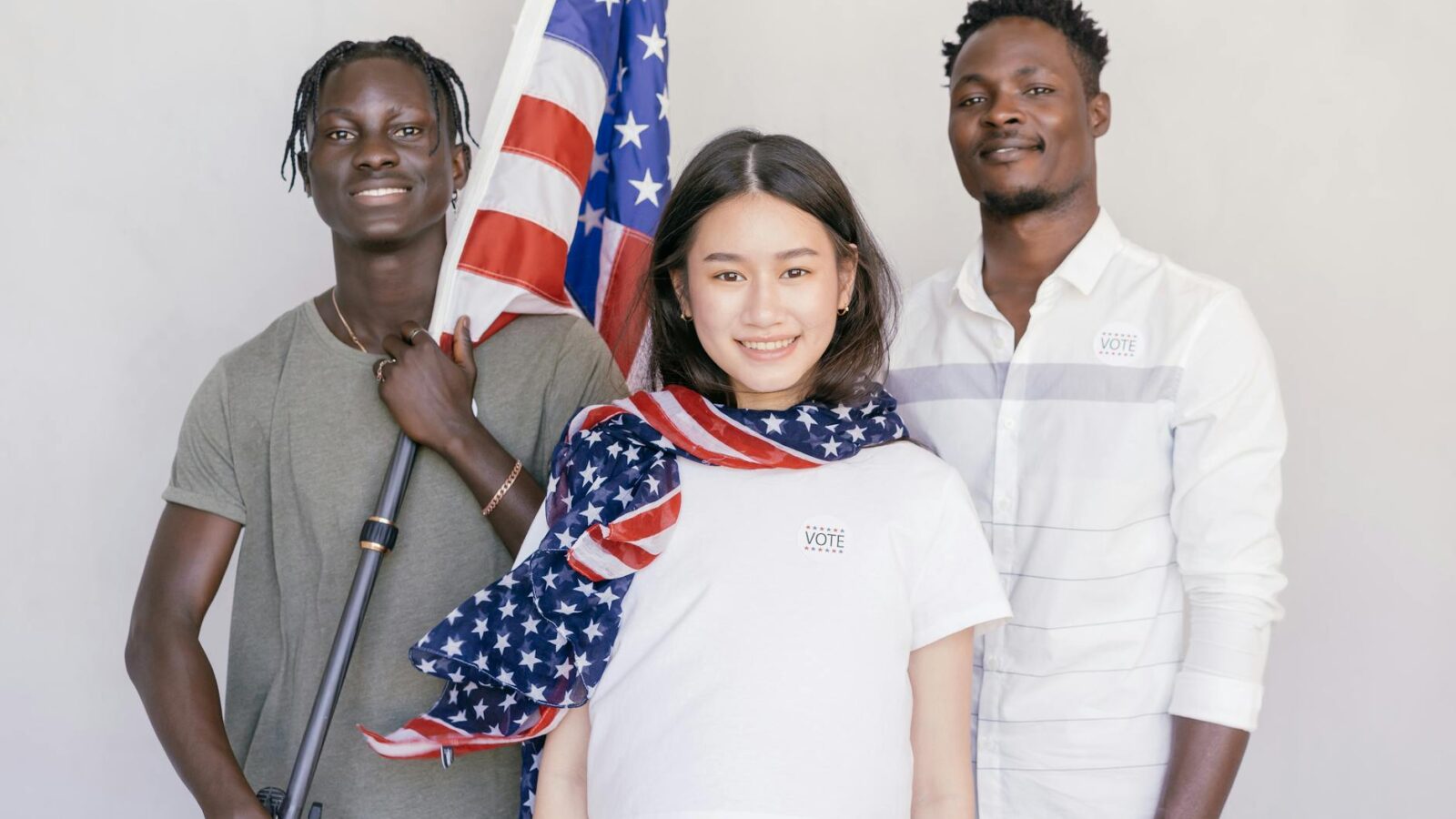
The narrative surrounding Generation Z often paints them as a unified cohort with a collective political agenda. However, recent research indicates a more complex landscape, revealing that the pandemic has influenced this generation in divergent ways. These distinctions are not merely academic; they carry significant implications for political candidates aiming to engage effectively with this influential demographic.
According to recent findings, Gen Z can be divided into two distinct groups, each exhibiting unique political views and levels of engagement. One segment expresses a reliance on traditional political messaging while the other displays a notable disillusionment, favoring personalized communication that reflects their diverse experiences and perspectives. This bifurcation is telling, suggesting that the prevailing assumption of a monolithic Gen Z may be misleading.
The implications of this divide are profound, especially as we approach the next election cycle. Political parties that fail to recognize these internal generational differences risk alienating significant portions of the electorate. Instead of relying on broad-spectrum advertisements that may not resonate, candidates and parties must consider tailored strategies that speak directly to the varying values and concerns of Gen Z constituents.
The Hidden Angle
This research suggests that understanding the nuances within Gen Z could be crucial for political candidates. By acknowledging the distinct identities within this generation, parties can adapt their platforms and messaging to better align with voter sentiments. As disillusionment with conventional political outreach grows, the need for a more segmented approach becomes increasingly apparent.
Furthermore, the differences within Gen Z highlight a broader trend in today’s political landscape, where one-size-fits-all messaging is becoming less effective. As candidates strive for relevance in a rapidly changing political environment, they must adapt to the specific concerns and preferences of various demographic groups, including younger voters.
What Happens Next
Looking ahead to the 2024 U.S. presidential election, it is anticipated that at least 25% of Gen Z voters will show heightened engagement with candidates who utilize personalized and localized messaging strategies. This shift underscores the importance of tailored communication that resonates with their distinct viewpoints over traditional campaign approaches.
TIMES Take: As political candidates prepare for upcoming elections, recognizing the intra-generational divides within Gen Z will be crucial. Engaging this demographic through thoughtful, targeted messaging could determine electoral outcomes in an increasingly fragmented political landscape.