Before the Headline
For decades, the White House Correspondents’ Dinner has served as a microcosm of the interplay between journalism, entertainment, and politics. The event, which began as a modest gathering in 1920, has morphed into a glitzy spectacle where celebrities mingle with journalists and political figures, often blurring the lines between reporting and performance.
The recent shooting during this year’s dinner has not only shocked the nation but also reignited a fierce debate about the increasing influence of entertainment culture on political discourse. As both Democrats and Republicans rush to assign blame to Hollywood, they fail to recognize the deeper currents of cultural polarization that have made events like these flashpoints in the broader societal landscape.
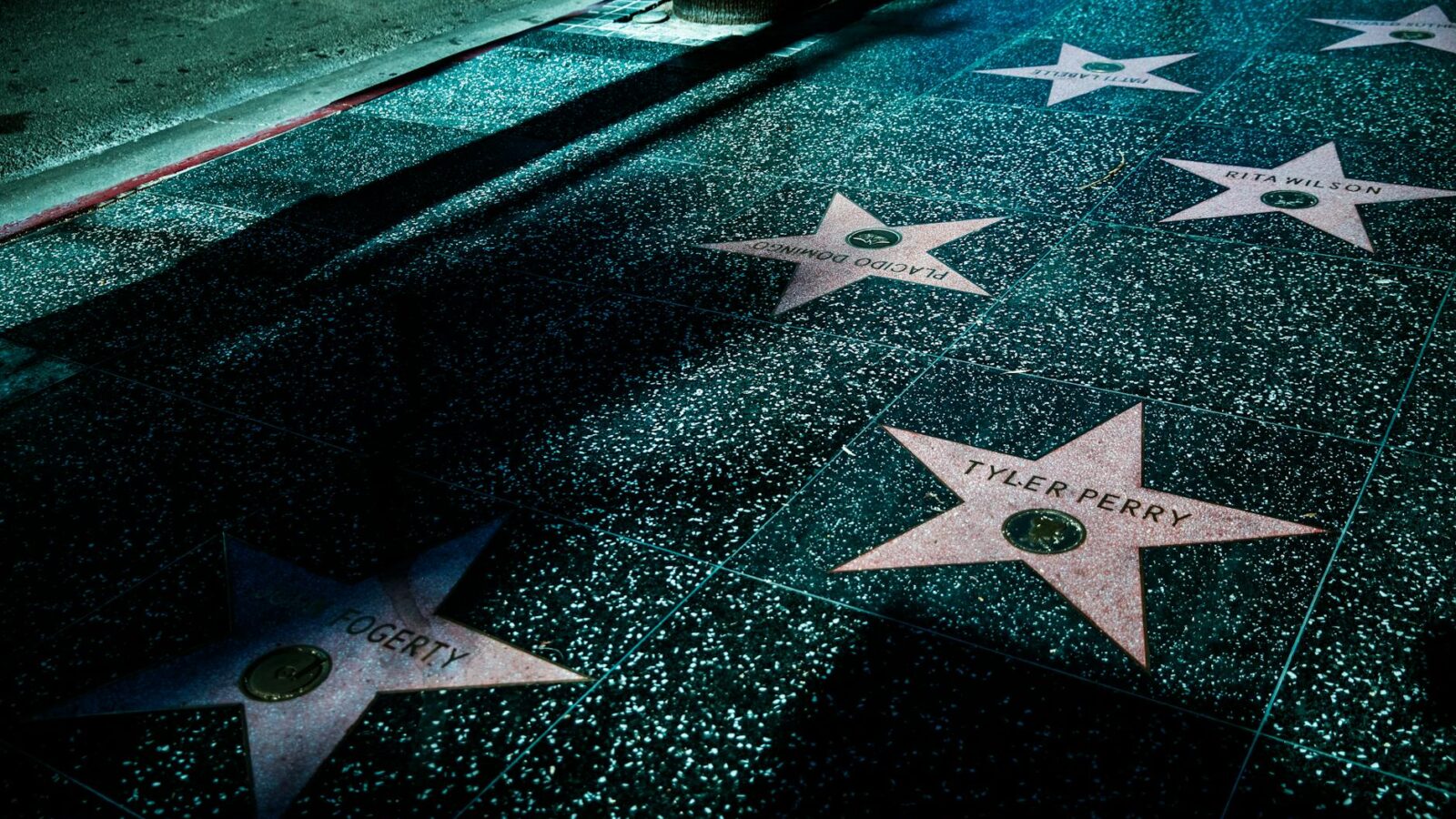
While the immediate tragedy commands attention, it’s essential to unpack how the narrative around infotainment has evolved. Historically, political figures have leveraged celebrity status to garner support; now, the line between political messaging and manipulative entertainment seems dangerously thin. The shooting has illuminated how deeply intertwined these worlds have become, casting Hollywood not merely as a backdrop but as a battleground in political polarization.
What We Know
- The shooting occurred at the recent White House Correspondents’ Dinner, an annual gala attended by politicians, journalists, and celebrities.
- Both parties are quick to attribute blame to Hollywood, framing the incident as evidence of entertainment’s negative influence on politics.
- The incident has sparked discussions on the role of celebrity culture in shaping public opinion.
What We Don’t Know Yet
- What specific mental health or motivational factors contributed to the shooter’s actions?
- How will political campaigns adjust their strategies in response to this event?
- What are the long-term implications for Hollywood’s image as a political influencer?
Between the Lines
The current uproar surrounding the WHCD shooting reflects a broader reluctance among political actors to address the complexities of media’s influence on society. Both sides of the aisle conveniently ignore the reality that entertainment figures often mirror the sentiments of a divided populace rather than instigate them. By scapegoating Hollywood, they effectively divert attention from the systemic issues rooted in gun violence and political discord.
Moreover, the rhetoric employed by both parties suggests a fundamental misalignment in understanding the role of celebrity in political discourse. While Republicans may decry the liberal bias of Hollywood, Democrats often overlook how celebrity endorsements can both galvanize and alienate voters—a dichotomy that could lead to disastrous miscalculations in upcoming elections.
What This Means for You
For investors: Increased scrutiny of Hollywood’s political engagements may influence stock values in entertainment sectors. For commuters: Expect more media narratives around celebrity involvement in politics, impacting public conversations during commutes. For campaign strategists: The integration of celebrity partnerships in future campaigns will likely become a strategic norm, reshaping fundraising dynamics.
After the Headline
In the wake of the WHCD shooting, signs indicate that political campaigns will seek to align closely with Hollywood figures to address pressing issues like gun violence and polarization. By Q4 2025, at least three major political campaigns are expected to manifest this shift through high-profile partnerships, public statements, and fundraising events aimed at leveraging the allure of celebrity to resonate with voters. Key dates to watch will include major campaign announcements and fundraising galas where such collaborations are publicly unveiled.
TIMES Take: The tragic intersection of Hollywood and politics at the WHCD shooting serves as a stark reminder of our cultural moment—a battleground where celebrity culture and political polarization collide, shaping the very fabric of our democratic discourse.