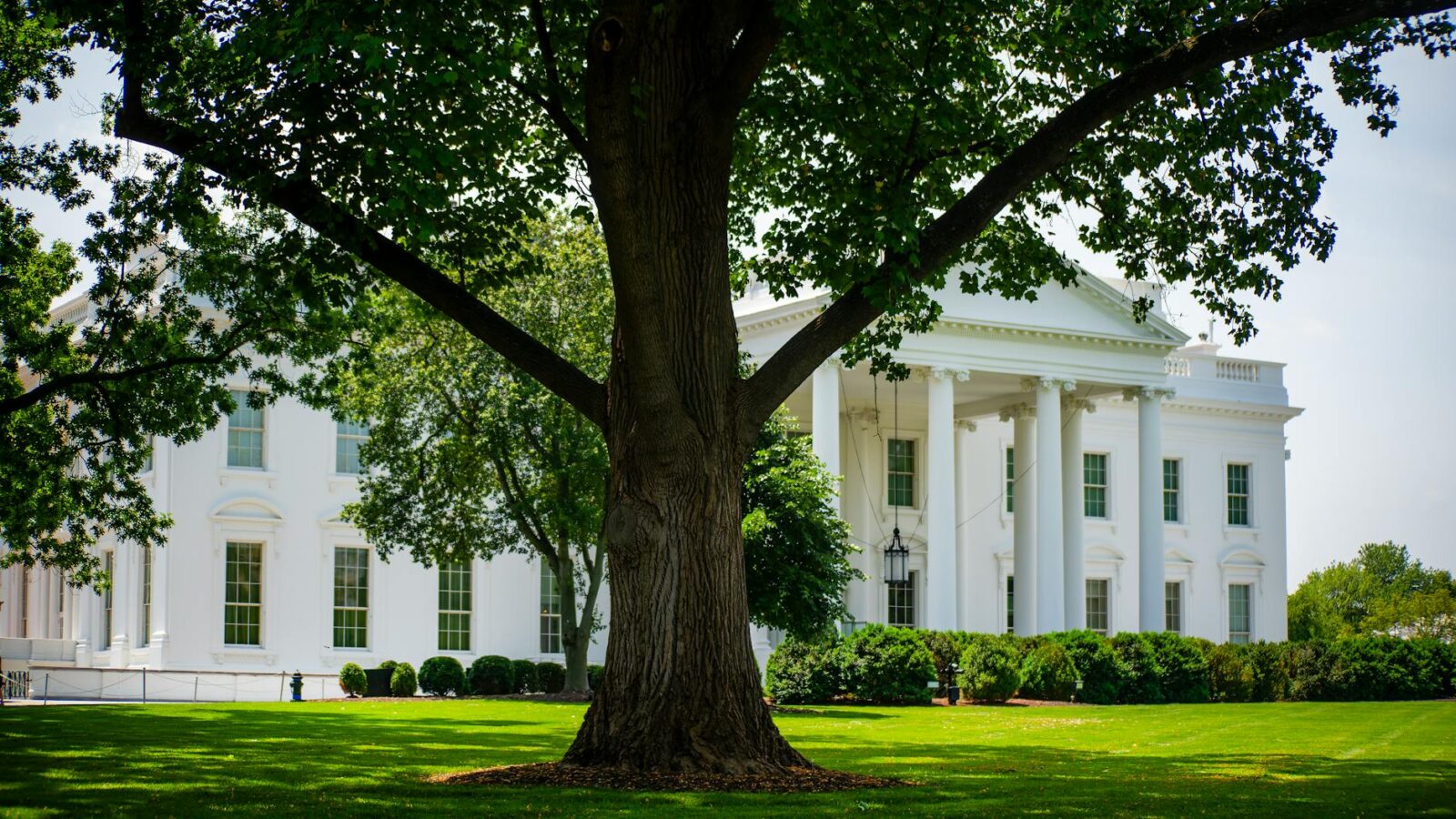
The recent gunfire at the White House Correspondents’ Dinner that prompted an evacuation of President Donald Trump by the Secret Service illustrates the precarious nature of political events in the United States today. While the immediate focus is on the chaos and danger presented by such an incident, there lies a deeper implication for Trump’s political strategy and the broader implications for American political discourse.
In the aftermath of violence directed at political figures, the narrative often shifts towards the victimization of the affected, allowing individuals like Trump to frame themselves as targets of politically motivated aggression. This tactic has historically resonated with his base, potentially energizing support through a shared sense of grievance and urgency. As public sentiment becomes increasingly polarized, incidents of violence may be leveraged to reinforce a perception of threat, consolidating voter loyalty.
The chaos of the shooting incident at the dinner is not merely a footnote in Trump’s narrative; it acts as a catalyst for a campaign trajectory that may increasingly rely on themes of victimhood and crisis. By portraying himself and his supporters as under siege, Trump can fortify his appeal among those who feel politically marginalized or endangered. The aftermath of this event could set the stage for heightened engagement among his base, further polarizing the electorate ahead of the upcoming elections.
The Hidden Angle
Looking beyond the immediate chaos, the normalization of political violence poses significant risks to the integrity of U.S. democratic processes. If political violence becomes a routine element of the electoral landscape, it may incentivize candidates to adopt strategies that explicitly exploit these tensions rather than seek common ground. This shift could transform how campaigns are conducted, prioritizing mobilization through fear and division over collaboration and unity.
Furthermore, as political violence increasingly enters the campaign narrative, its implications will extend beyond individual candidates. The broader political climate may morph, resulting in a cycle where threats and adversarial rhetoric dictate the parameters of discourse. Such an environment not only challenges traditional campaigning methods but also raises fears about civic engagement and the overall health of democracy.
What Happens Next
Looking ahead, it is anticipated that by Q4 2024, several major candidates may consciously weave narratives of political violence into their campaign strategies. This approach is likely to yield a measurable increase in engagement and mobilization efforts among supporters, aligning with trends observed in political campaign analytics. As they respond to the current climate, campaigns that harness this narrative may see a notable uptick in voter turnout, fundamentally altering the electoral landscape.
TIMES Take: As the discourse surrounding political crises evolves, so too will the strategies employed by candidates. Understanding this trajectory will be crucial for voters, as the implications of such narratives may redefine engagement in America’s democratic processes.