
Before the Headline
For decades, the Gulf monarchies have grappled with balancing internal stability against the backdrop of a rapidly changing regional landscape. The Arab Spring of 2011 marked a pivotal moment, exposing vulnerabilities in autocratic regimes. In this context, Bahrain has uniquely resorted to revoking citizenship as a strategy to consolidate power and eliminate dissent, particularly among those perceived as aligned with Iran.
In a recent move, Bahrain’s government announced the revocation of citizenship for 69 individuals accused of supporting Iranian interests, a decision executed without due process and amidst a broader pattern of repression against perceived threats to national identity. This action, while ostensibly aimed at safeguarding national security, casts a shadow over the limits of dissent in a region already fraught with tension.
This citizenship revocation reflects a broader trend among Gulf states to wield citizenship as a weapon against those who voice opposition. Similar tactics seen in Saudi Arabia and the UAE signal a drastic tightening of the reins on civil liberties. Notably, these Gulf monarchies are increasingly viewing citizenship not as a right but as a privilege that can be withdrawn at will, creating a precarious environment for dissenters and exacerbating existing societal divides.
What We Know
- Bahrain has revoked the citizenship of 69 individuals accused of supporting Iran.
- This move is part of a larger pattern of increasing authoritarian governance in the Gulf.
- The decision has drawn criticism from human rights organizations and indicates a crackdown on dissent.
- The revocations are often executed without due process or transparency.
What We Don’t Know Yet
- How widespread will the citizenship revocations be across the Gulf states in the near future?
- What specific reactions will emerge from civil society in Bahrain and beyond?
- To what extent will these actions impact regional stability and international relations in the GCC?
Between the Lines
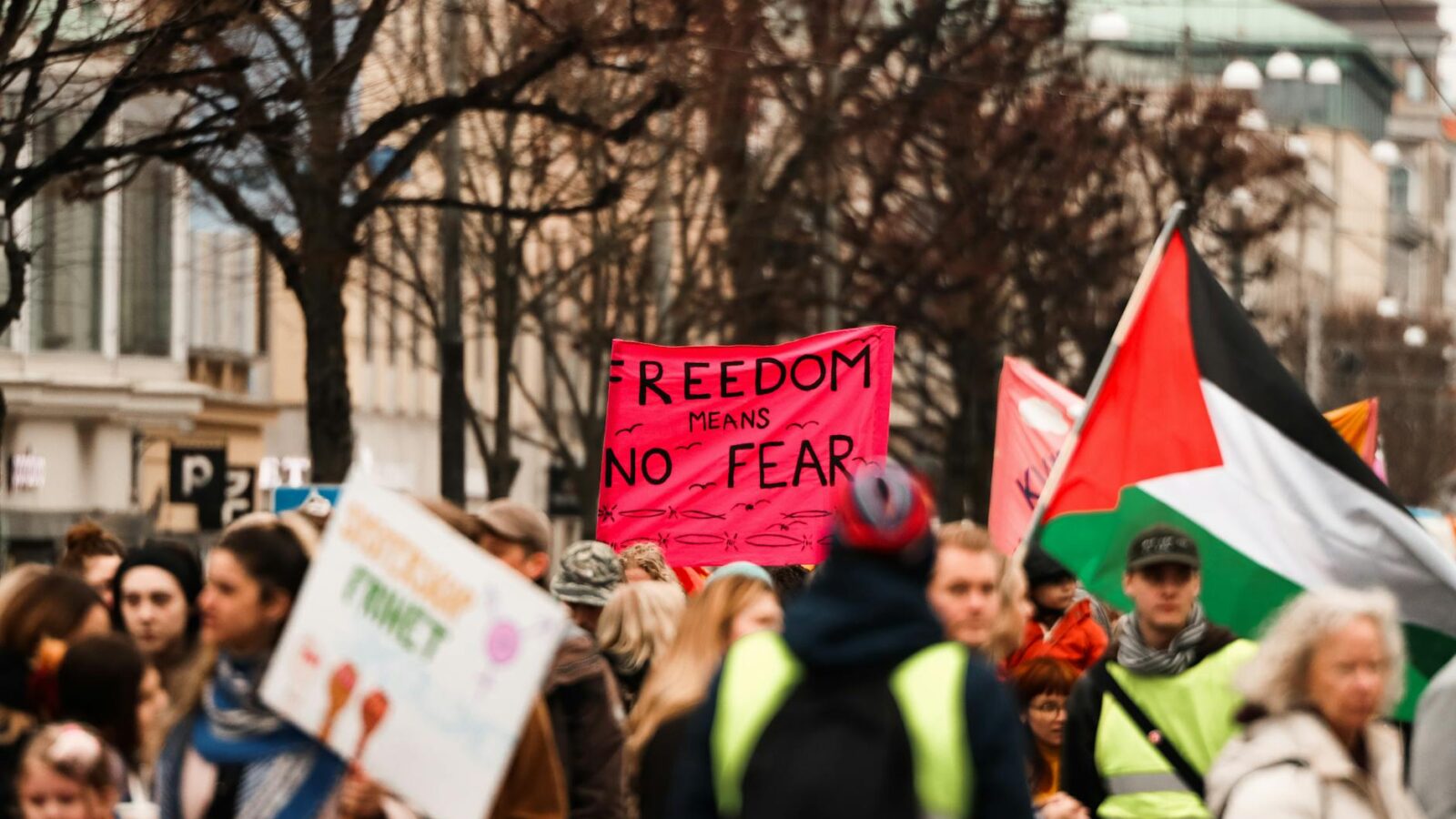
The mainstream narrative frequently overlooks the long-term implications of Bahrain’s citizenship revocation strategy. By targeting individuals rather than addressing the underlying grievances, the regime not only risks alienating segments of its population but also generates sympathy and solidarity for those affected. This could catalyze broader resistance movements in a region already poised for unrest.
Moreover, the focus on Iran as a scapegoat has been a recurring theme in Bahrain’s political discourse. By framing dissent as a threat tied to external influences, the government simultaneously deflects responsibility for widespread dissatisfaction that stems from its governance failures. This dual approach of externalizing blame while limiting domestic criticism is a delicate dance that could easily spiral out of control.
What This Means for You
For investors: Anticipate potential instability in the Gulf markets as civil unrest may impact business operations. For commuters: Increased security measures in Bahrain could disrupt transportation and daily life. For civil rights advocates: Greater international scrutiny may lead to heightened calls for accountability regarding human rights abuses in the region.
After the Headline
Looking ahead, observers should brace for potential civil unrest in Bahrain and other Gulf Cooperation Council (GCC) countries as dissatisfaction with citizenship revocations grows. By Q1 2025, it is likely that at least three GCC nations will experience significant civil protests, driven by public outrage over these heavy-handed tactics. Monitoring human rights reports and protest documentation will be crucial in assessing the unfolding situation.
Key indicators to watch include the frequency of citizenship revocations, public responses to government actions, and solidarity movements among affected populations. These developments could serve as a barometer for regional stability, shaping the political landscape in the Gulf for years to come.
TIMES Take: As Bahrain strips away citizenship from dissenters, this tactic may serve as a double-edged sword—while it aims to quell opposition, it risks awakening a collective resistance that could ignite civil unrest across the Gulf.