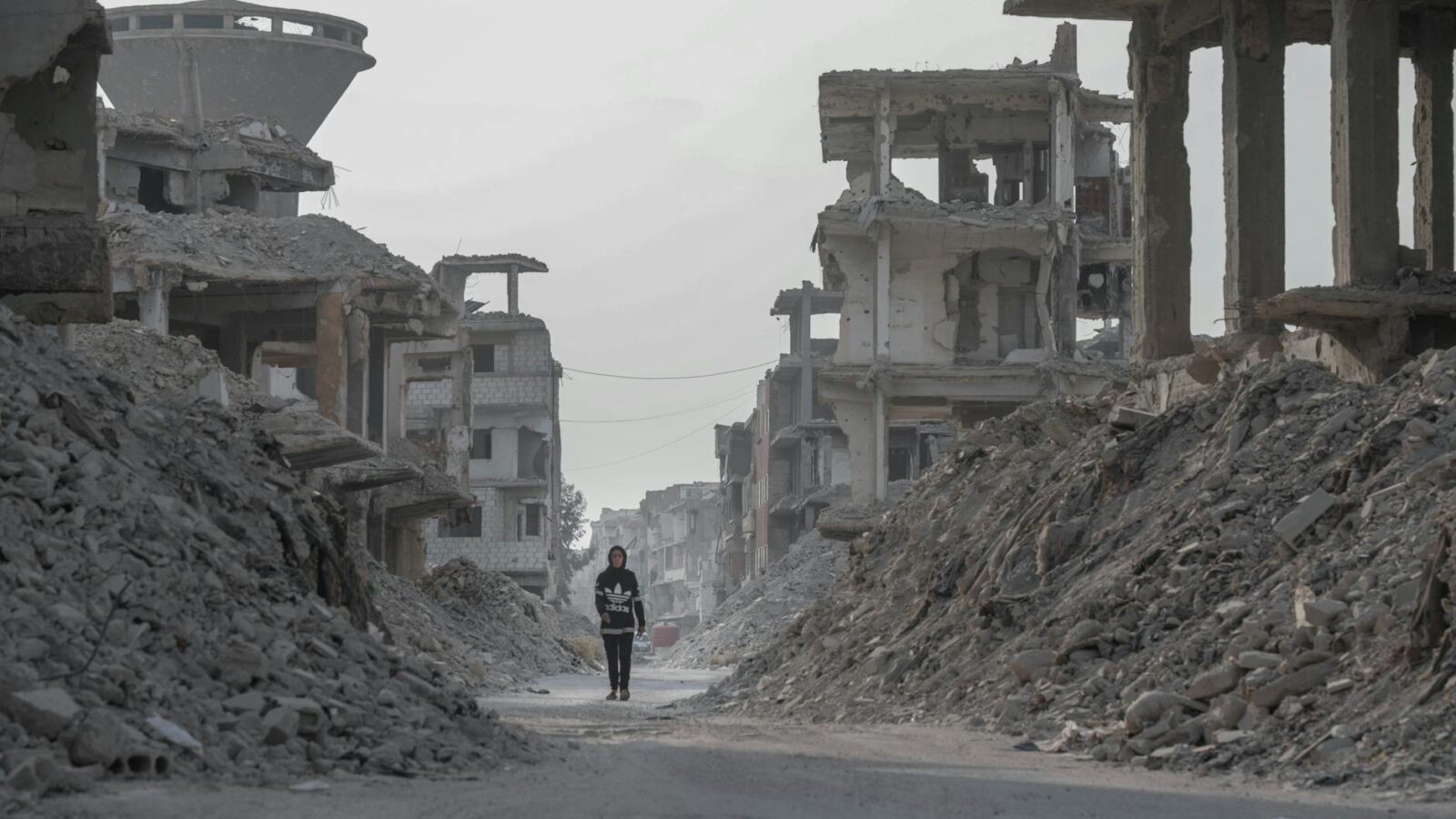
The ongoing conflict between Israel and Lebanon has escalated sharply, with recent reports indicating that Israeli attacks have resulted in over 2,500 fatalities in Lebanon since March, according to Lebanon’s health ministry. This staggering death toll underscores the severe human cost associated with the sustained violence in the region.
The impact of these attacks extends beyond immediate loss of life; it contributes to a deteriorating humanitarian situation as displaced populations increase and local infrastructures become overwhelmed. The influx of refugees and internally displaced individuals exacerbates an already strained humanitarian response, creating a complex situation that demands urgent international attention.
Moreover, the rising death toll has the potential to ignite broader regional instability. Neighboring countries may face pressures to accommodate displaced populations and respond to the humanitarian needs resulting from the conflict. This dynamic could lead to increased tensions within the region, further complicating the already intricate political landscape.
The reaction from the international community has been crucial to understanding the future trajectory of the conflict. A lack of decisive action or effective diplomatic engagement in response to the humanitarian crisis could undermine future diplomatic relations in the Middle East. The global response to these escalating events will likely play a pivotal role in shaping the region’s stability.
The Hidden Angle
The human cost reflected in the death toll serves as a stark reminder of the ongoing challenges in the region. As casualties rise, the urgency for a coordinated international humanitarian response becomes increasingly apparent, yet the effectiveness of such efforts remains uncertain. The international community’s hesitance or failure to adequately respond to the crisis could lead to a deterioration of diplomatic relations not only with Lebanon but also with other Middle Eastern nations.
A failure to address the crisis could foster an environment where extremist ideologies gain traction amid widespread discontent. As areas of Lebanon become increasingly uninhabitable, the prospects for long-term peace and stability diminish, raising questions about the effectiveness of current foreign policy approaches in the region.
What Happens Next
Looking ahead, it is anticipated that by Q4 2025, at least three major Western nations will publicly announce a shift in their foreign policy towards the Middle East, specifically aiming to increase humanitarian aid and diplomatic engagement with Lebanon and its surrounding regions. This response is likely prompted by the escalating humanitarian crisis characterized by the rising death toll and the pressing needs of displaced populations.
TIMES Take: As the conflict continues to unfold, the global community must balance the immediate need for humanitarian support with long-term diplomatic strategies. The potential for a renewed focus on aid and engagement in the Middle East suggests a pivotal shift in international policy dynamics that could redefine relationships in the region.