Before the Headline
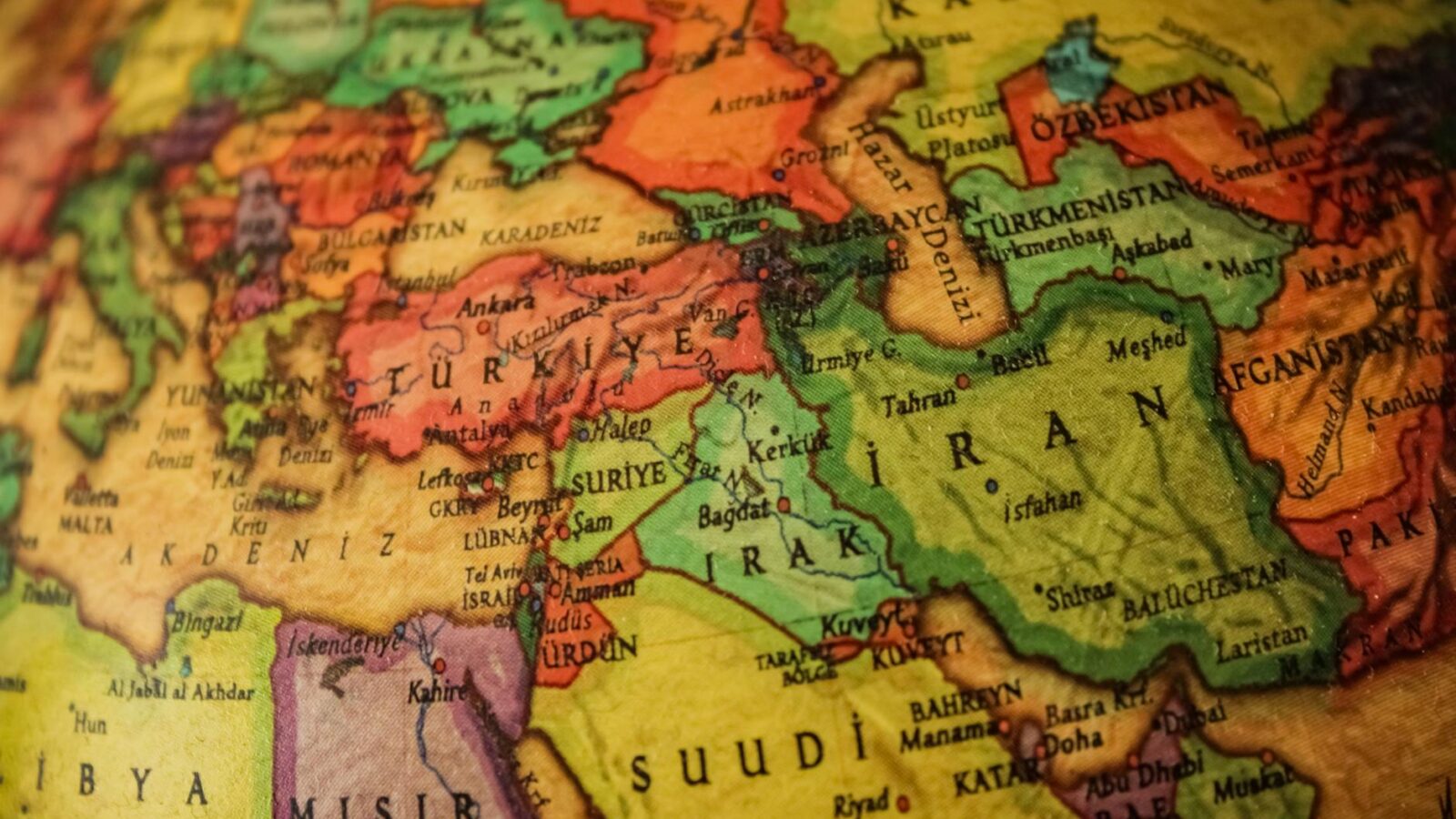
The long-standing enmity between Iran and Israel has shaped the contours of Middle Eastern geopolitics for decades, often dragging Arab nations into the crossfire. In recent years, conflicts have escalated, particularly during tense flare-ups such as the 2021 Gaza conflict and the 2023 skirmishes along the Lebanese-Israeli border. However, the latest de-escalation hints at a temporary reprieve, even as it leaves many Arab leaders grappling with the implications for their security and diplomatic strategies.
In the wake of decreased hostilities, Arab nations have expressed a mix of relief and anxiety regarding Israel’s next moves. While some reports celebrate the immediate calm, an undercurrent of concern remains regarding whether this de-escalation could empower an ‘unrestrained’ Israel with a renewed sense of vigor. This evolving landscape forces Arab states to contemplate their alliances and defense strategies moving forward.
Veteran observers of the region recall the aftermath of the 1979 Iranian Revolution, which similarly shifted regional dynamics and compelled Arab nations to re-evaluate their positions. The current situation mirrors that precarious period, as many Arab leaders must now confront the question of whether a potentially more aggressive Israel poses a new threat. This could be a pivotal moment for Arab nations, leading to a reassessment of security frameworks and alliances in light of perceived Israeli boldness.
What We Know
- The recent de-escalation of the Iran-Israel conflict has resulted in reduced tensions across the region.
- Arab nations are expressing both relief and anxiety regarding Israel’s potential future actions.
- Historical parallels can be drawn to the 1979 Iranian Revolution, which similarly forced shifts in regional alliances.
What We Don’t Know Yet
- How will Arab nations specifically adjust their military and diplomatic strategies in response to an emboldened Israel?
- What form will future cooperation or conflict take among Arab states?
- Will there be a formal announcement of new alliances before Q1 2025?
Between the Lines
Despite mainstream narratives celebrating the immediate relief from conflict, there is a noticeable silence surrounding the long-term implications of a potentially empowered Israel. Arab leaders, while relieved, are privately grappling with an uncertain future, wary of a neighbor that could leverage its newfound freedom for more assertive actions in the region.
The contradictions inherent in this situation are stark; on one hand, Arab nations are eager to foster stability while simultaneously recalibrating their military stances due to concerns over Israel’s unchecked ambitions. The diplomatic dance that follows could dictate whether the region leans towards greater cooperation or renewed hostilities.
What This Means for You
For investors: Emerging defense contracts may signal a shift in regional investment opportunities, particularly in military technology. For commuters: Increased military readiness in the Middle East could affect oil prices, influencing commute costs globally. For policymakers: Anticipate a wave of new diplomatic initiatives aimed at addressing security concerns, impacting future Middle Eastern policy discussions.
After the Headline
Looking ahead, key indicators will likely include joint military exercises among Arab nations, and the announcement of formal defense agreements as early as Q1 2025. The genesis of such alliances will serve as a metric for regional power dynamics and could materially shape the geopolitical landscape in the coming months.
With tensions still simmering, one possible scenario is that at least three Arab states announce new military alliances or defense agreements in response to the perceived threats from an increasingly aggressive Israel. This could manifest in publicly documented treaties or joint military exercises, marking a significant pivot in diplomatic relations.
TIMES Take: The recent de-escalation between Iran and Israel presents both a moment of relief and a strategic crossroads for Arab nations, hinting at a future marked by renewed military alliances and shifting power dynamics.