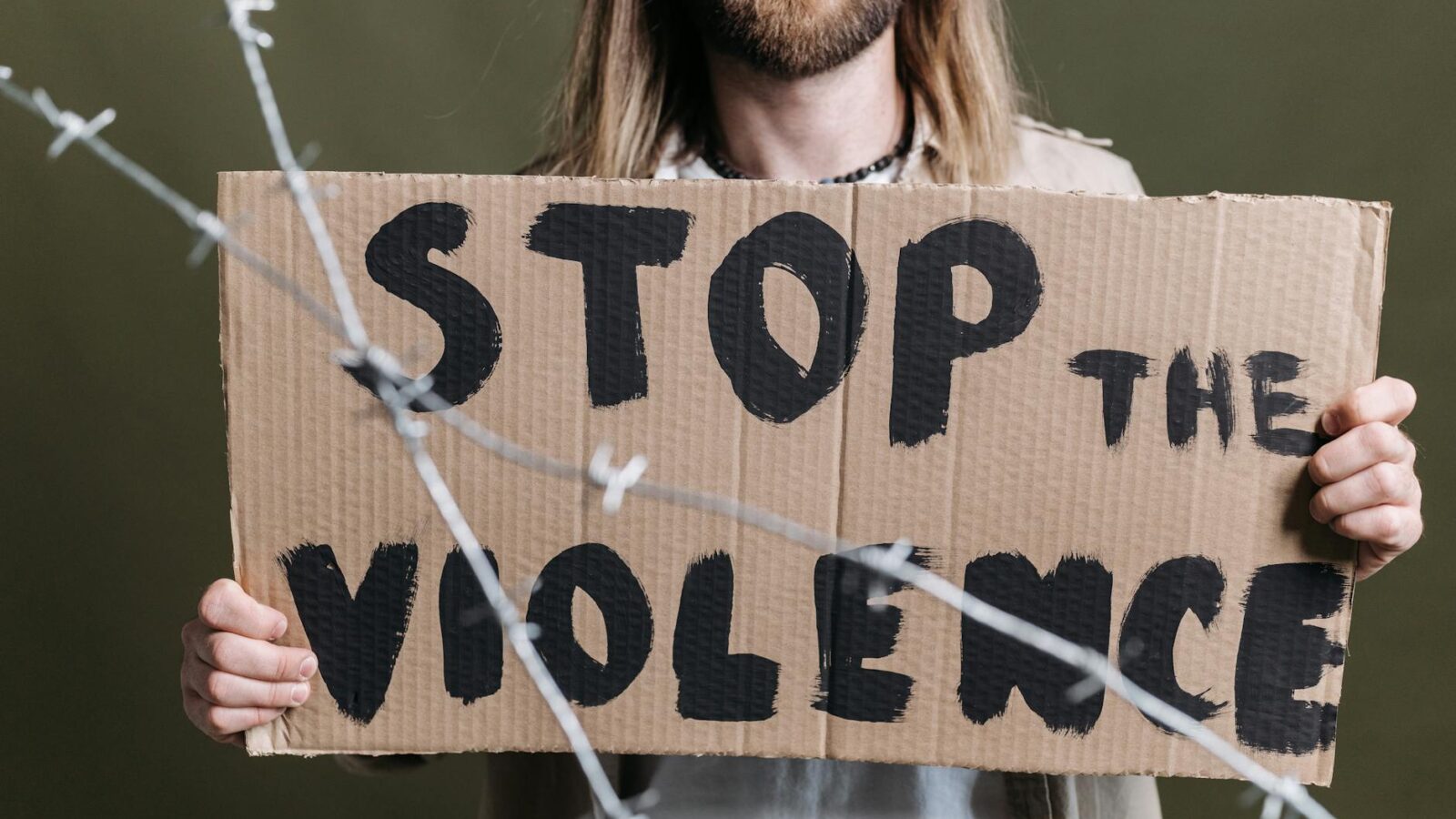
The recent incident at the White House Correspondents’ Association dinner, where a gunman was believed to be targeting officials from the Trump administration, has sparked significant concern regarding the safety of public figures in the U.S. This troubling event not only highlights the potential risk that political leaders face but also reflects a broader trend of increasing political violence in the country.
Acting Attorney General remarks suggest that the motivations behind such violent acts are rooted in a polarized political climate, where some individuals may feel marginalized or disenfranchised. As tensions mount, the possibility of extreme actions taken by those who perceive themselves on the fringes of political discourse becomes alarmingly real. This underscores a critical issue: safeguarding democratic institutions and public officials is paramount as the temperature of political debate rises.
The implications of this incident extend beyond immediate security concerns. It also prompts a necessary dialogue about how political discourse is conducted in the U.S. Rising hostility and frustration can lead to tragic outcomes if left unchecked. The acting AG’s comments serve as a call to action, highlighting the urgent need for a reevaluation of how political figures are protected and how society addresses growing extremism.
The Hidden Angle
This instance serves as a stark reminder of the deteriorating climate surrounding political engagement in America. The targeted violence against officials, especially those from opposing parties, suggests that the lines of civility and discourse are increasingly blurred. Public officials are not just political representatives; they are also individuals facing real risks that can have far-reaching consequences for governance and public policy.
Moreover, the rise in such incidents signifies a critical juncture for the nation. The escalating threats against political figures might lead to a chilling effect on participation in the political process, which could further entrench division and distrust among the electorate. The need for thoughtful discourse and constructive engagement has never been more pressing.
What Happens Next
In light of the ongoing threats, it is likely that by the end of Q2 2025, at least 15 U.S. states will roll out new legislative measures aimed at bolstering security for public officials. These anticipated measures will include increased funding for security personnel, mandatory training for officials on threat assessment, and the establishment of rapid response teams to address potential threats. Such actions will be driven by a combination of rising incidents of political violence and a public demand for safer political environments.
TIMES Take: The incident at the WHCD dinner underscores the critical need for both increased security measures for public officials and a broader societal dialogue on political extremism. As we navigate these challenges, fostering a culture of civility and understanding will be essential for the health of our democracy.