
Before the Headline
Since its formation in 1960, OPEC has functioned as a cohesive unit, aligning the interests of its member states in the oil market. The UAE, as OPEC’s fourth-largest producer, has historically been a key player, balancing its national interests with those of the cartel. However, the landscape is shifting; alliances once dictated by oil revenues are now being reconsidered in light of climate imperatives and emerging energy markets.
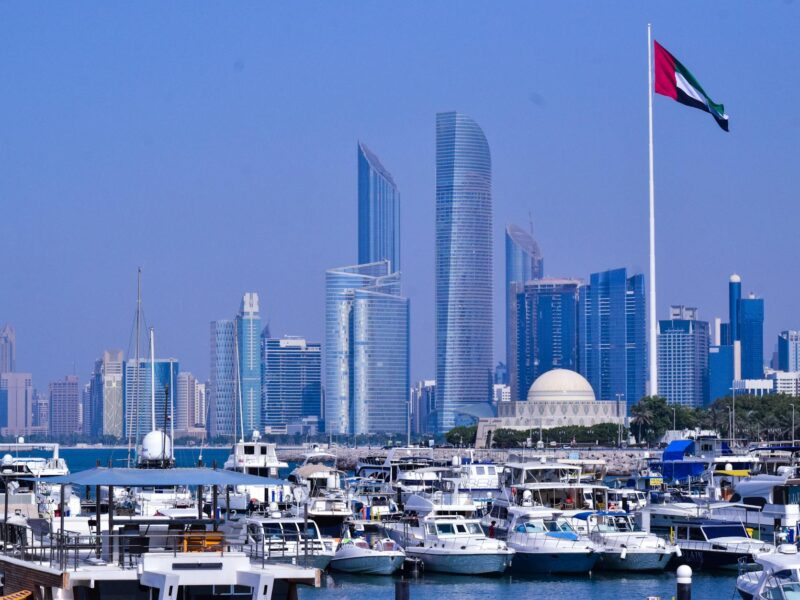
On May 1, the UAE will formally exit OPEC, a move unprecedented in the cartel’s history and fraught with implications for global energy dynamics. This departure not only raises questions about OPEC’s future integrity but also hints at a deeper geopolitical recalibration across the Gulf region.
The UAE’s exit can be viewed through multiple lenses. Primarily, it underscores a strategic pivot away from traditional hydrocarbons toward renewable energy investments, aligning with global sustainability goals. This aligns with the UAE’s Vision 2021, which seeks to diversify its economy and reduce dependence on oil revenues. The exit also foreshadows a potential domino effect; as the UAE reshapes its energy strategy, other Gulf nations may soon follow suit, reconsidering their own OPEC memberships and embracing a more fragmented energy alliance.
Furthermore, this departure coincides with rising tensions among OPEC member states regarding production cuts and pricing strategies, exacerbating fissures in the cartel. As countries like Saudi Arabia advocate for strict adherence to production quotas, the UAE’s exit may not be merely economic but a symbolic rejection of the status quo, potentially inviting scrutiny of governance models within OPEC.
What We Know
- The UAE is set to leave OPEC on May 1, marking a historic departure.
- OPEC’s fourth-largest producer, the UAE, has been a key player within the cartel.
- This move signals a shift toward renewable energy investments and economic diversification.
- The UAE’s exit may prompt other Gulf states to reconsider their OPEC memberships.
- By Q4 2025, at least two other GCC states are expected to announce intentions to reassess their OPEC memberships.
What We Don’t Know Yet
- How will the remaining OPEC members respond to the UAE’s exit?
- Which specific GCC states will follow the UAE in reassessing their OPEC membership?
- What measures will the UAE implement to accelerate its renewable energy investments?
Between the Lines
Mainstream narratives tend to highlight the immediate economic fallout of the UAE’s departure, such as potential declines in OPEC pricing power and coordination. However, what is notably absent from these discussions is the geopolitical aspect—how this move may reflect a growing desire among Gulf states to assert greater autonomy over their energy policies and investments. The UAE’s departure may signal an emerging ethos that prioritizes national sustainability agendas over collective oil strategies.
Additionally, the silence from other Gulf states speaks volumes. While they may publicly support OPEC’s unity, the underlying tension suggests a fracture that many within the cartel wish to avoid acknowledging. The UAE’s bold step forward could encourage a clandestine reassessment of commitments, particularly in light of the pressing urgency of climate change and global energy transitions.
What This Means for You
For investors: The UAE’s exit may create volatility in oil markets, requiring agility in portfolio strategies. For commuters: Rising fuel prices may reflect decreased OPEC influence, altering daily costs. For renewable energy advocates: Increased investment in green technologies by Gulf states could yield new market opportunities and advancements in sustainable solutions.
After the Headline
Moving forward, it will be crucial to monitor the official responses from OPEC members regarding the UAE’s exit. Key dates to watch include upcoming OPEC meetings and any announcements from other GCC members regarding their own positions. The expectation is that by the end of Q4 2025, at least two additional Gulf states will echo the UAE’s intent to reassess their memberships based on shifting energy strategies, potentially increasing funding for renewable projects by at least 15% compared to 2023 levels.
TIMES Take: The UAE’s OPEC exit is not merely a disruption; it’s a clarion call for Gulf states to redefine their energy futures, where sustainability could eclipse oil as the cornerstone of economic strategy.