Before the Headline
The United Arab Emirates has been a prominent member of OPEC since its inception in 1960, playing a crucial role in shaping global oil markets. Over the decades, the UAE has balanced its oil output with aspirations for economic diversification, often under the leadership of figures like Sheikh Zayed bin Sultan Al Nahyan, who sought to modernize the nation beyond hydrocarbons.
On October 12, 2023, the UAE announced its decision to exit OPEC, a move that marks the end of nearly 60 years of membership in the oil cartel. This significant announcement not only raises questions about the stability of OPEC but also signals a fundamental transformation in the UAE’s approach to its energy sector.
Analysis of the UAE’s departure reveals a strategic pivot away from dependence on oil revenues and a commitment to renewable energy investment. The government appears to be positioning itself for a post-oil future, emphasizing the importance of energy independence. As oil prices remain volatile and the global shift towards sustainability accelerates, the UAE’s decision could represent a landmark moment that sets the stage for other Gulf economies to follow suit.
What We Know
- The UAE will officially exit OPEC by the end of 2023.
- This marks the end of nearly 60 years of membership in the oil cartel.
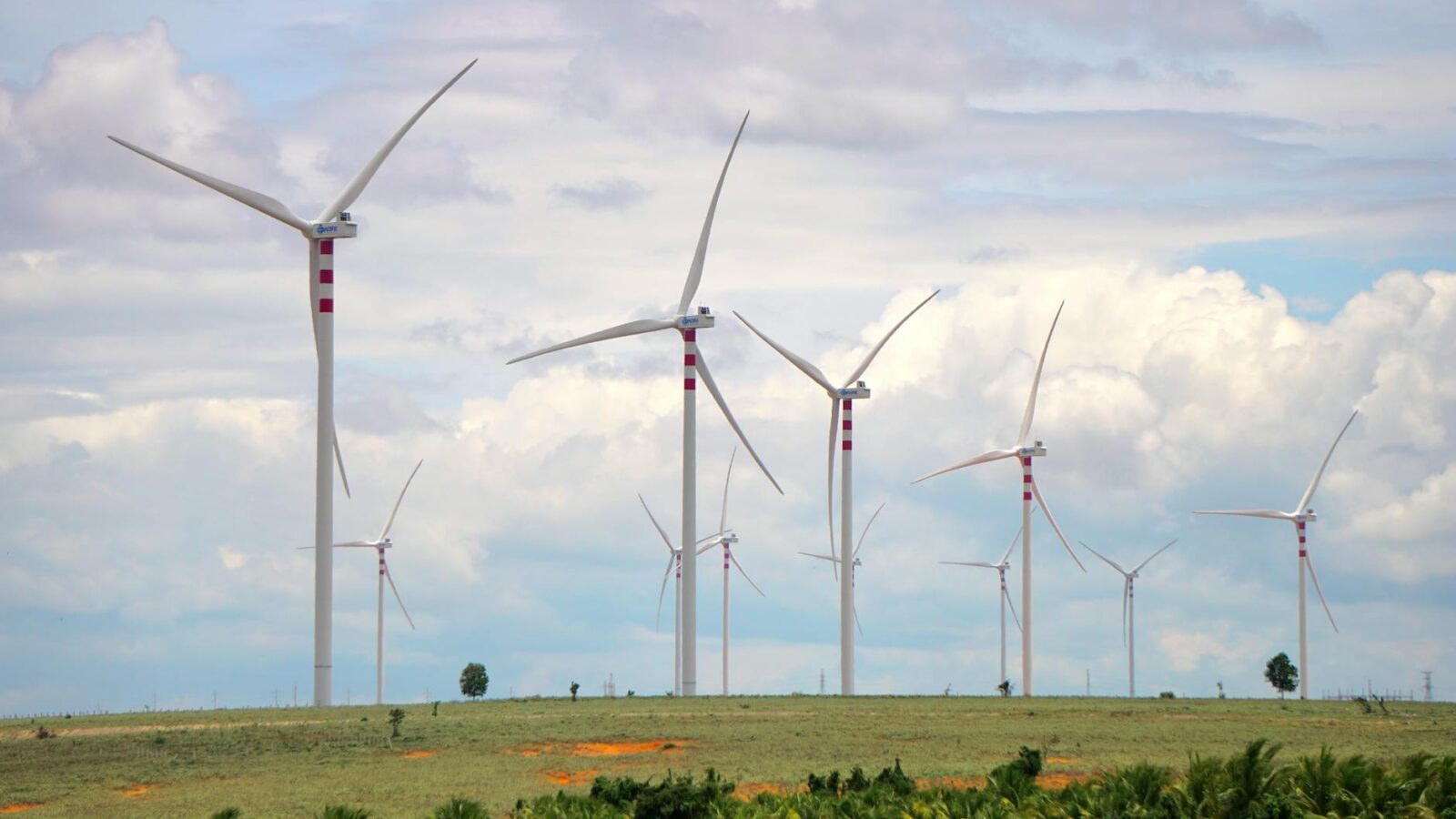
- The UAE government is focused on diversifying its energy portfolio, with significant investments planned in renewable energy.
- By the end of 2025, the UAE aims for renewable energy to constitute at least 30% of its energy mix.
- The nation plans to complete five major renewable energy projects, each with a capacity of over 100 MW, within the same timeframe.
What We Don’t Know Yet
- What specific projects will be prioritized in the UAE’s renewable energy rollout?
- How will other OPEC members respond to the UAE’s departure?
- What long-term economic impacts will this move have on the UAE’s oil revenue and overall economy?
Between the Lines
While mainstream analysis has largely focused on how the UAE’s exit might destabilize OPEC, the underlying motives reveal a strategic foresight that transcends immediate market dynamics. The UAE’s departure is not just about leaving OPEC; it reflects a broader recognition that reliance on oil has become a liability in the face of climate change and shifting global energy policies.
Moreover, the UAE’s ambitions may catalyze a much-needed conversation within the Gulf Cooperation Council about energy diversification. Countries like Saudi Arabia and Qatar, while still heavily invested in oil, may now find themselves in a race to enhance their own renewable initiatives, driven not just by environmental imperatives but also by the need for economic resilience.
What This Means for You
For investors: A shift in focus toward renewable projects in the UAE could present lucrative opportunities in the green energy sector. For commuters: As the UAE transitions to renewables, advancements in sustainable transport may enhance public transit options. For energy workers in the region: The pivot towards renewables might unlock new job sectors, requiring adaptation and retraining for existing oil and gas workers.
After the Headline
Looking ahead, the UAE’s withdrawal from OPEC will be closely monitored for its short- and long-term effects on both the oil market and the renewable energy landscape. As key dates approach, particularly project announcements ahead of the end of 2025, stakeholders will be keen to assess the UAE’s progress towards achieving the 30% renewable energy target.
TIMES Take: The UAE’s exit from OPEC is a clarion call for energy evolution in the Gulf, signaling a courageous step towards sustainability that may inspire others to rethink their reliance on oil.