Before the Headline
The United Arab Emirates has long been a central player in the Organization of the Petroleum Exporting Countries, leveraging its oil wealth to navigate regional power dynamics while maintaining a stable production quota. Historically, the collaboration among OPEC members has been a delicate balance between collective economic interests and individual national ambitions, a dance reminiscent of the late 1970s when Iran’s internal upheaval reshaped the oil landscape. Now, with the UAE’s recent announcement, we witness a seismic shift that could reverberate throughout global energy markets.
The news broke that the UAE has chosen to exit OPEC, a bold decision aimed at increasing its oil production independent of the cartel’s collective quotas. This strategic pivot reflects a broader ambition: to secure energy independence and position itself favorably amidst rising global energy demands.
In many ways, this departure is not solely an economic maneuver but a geopolitical statement. As the UAE aims to expand its production capabilities, it seeks to enhance its influence and leverage in a world striving for energy diversification. The implications extend beyond immediate price impacts; this could signal a fracturing of OPEC and herald the end of decades of coordinated oil policies. The UAE’s actions, driven by the need to adapt to shifting global energy dynamics and increasing climate pressures, are likely to inspire similar movements among other member states.
What We Know
- The UAE has officially announced its exit from OPEC.
- This decision aims to allow the UAE to increase oil production independently.
- The move reflects a broader geopolitical shift towards energy independence in the Middle East.
- By Q1 2025, at least three other OPEC member countries are expected to announce exits, impacting production quotas.
- This shift may lead to a decline in OPEC’s collective oil production by at least 20%.
What We Don’t Know Yet
- Which specific OPEC members will follow the UAE’s lead?
- What will be the immediate effects on global oil prices?
- How will this shift affect geopolitical alliances among oil-rich nations?
Between the Lines
Mainstream narratives tend to focus solely on the economic implications of the UAE’s exit, but there’s a more profound story about the shifting sands of Middle Eastern geopolitics. The UAE’s action is a clear signal that oil-producing countries may prioritize national interests over collective agreements, hinting at a potential reconfiguration of alliances and partnerships beyond the traditional OPEC framework.
Moreover, this departure reflects an underlying tension within the cartel itself—a growing recognition that the energy landscape is evolving, influenced by renewable energy advancements and global climate commitments. Thus, the UAE’s exit may catalyze a broader movement among oil-rich nations, navigating a future where energy independence and strategic autonomy become paramount.
What This Means for You
For investors: Expect instability in oil markets as other countries react to the UAE’s decision, impacting investment strategies in energy sectors. For commuters: Fluctuating oil prices could lead to increased costs at the pump, raising transportation expenses. For policymakers: The UAE’s exit necessitates a re-evaluation of energy strategies, particularly regarding climate goals and economic diversification efforts.
After the Headline
As we move forward, stakeholders should closely monitor OPEC’s announcements and production reports for any confirmations of similar exits by other member countries. Key dates to watch include quarterly production meeting announcements, which may provide insight into how deep this fracture runs within OPEC. The oracle prediction suggests that by Q1 2025, we will see at least three more countries leaving the cartel, fundamentally altering OPEC’s production dynamics.
TIMES Take: The UAE’s exit from OPEC is not just a stance on oil production; it is a clarion call for a new era of energy politics in the Middle East, where independence and national interests increasingly overshadow collective agreements.
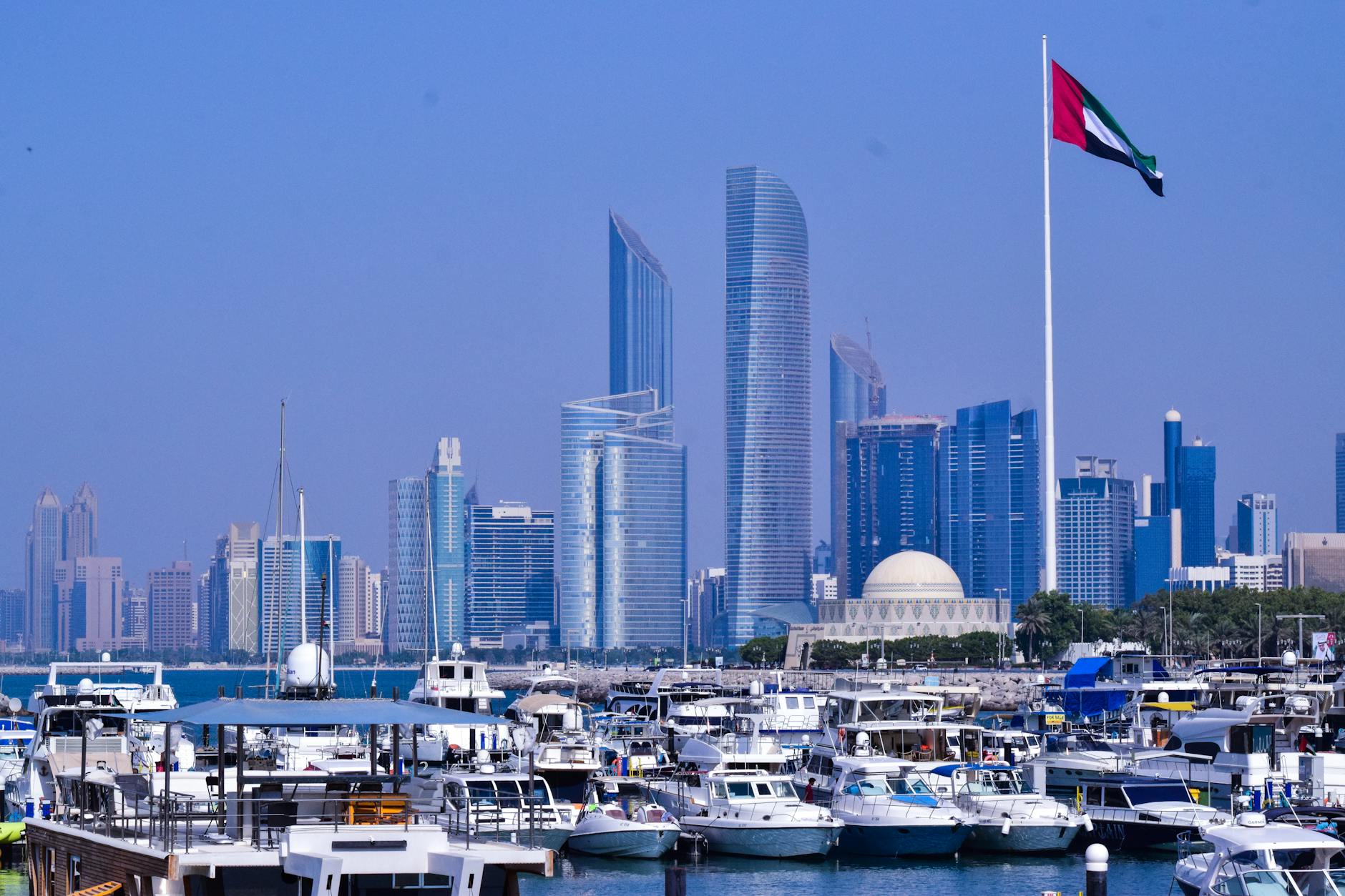
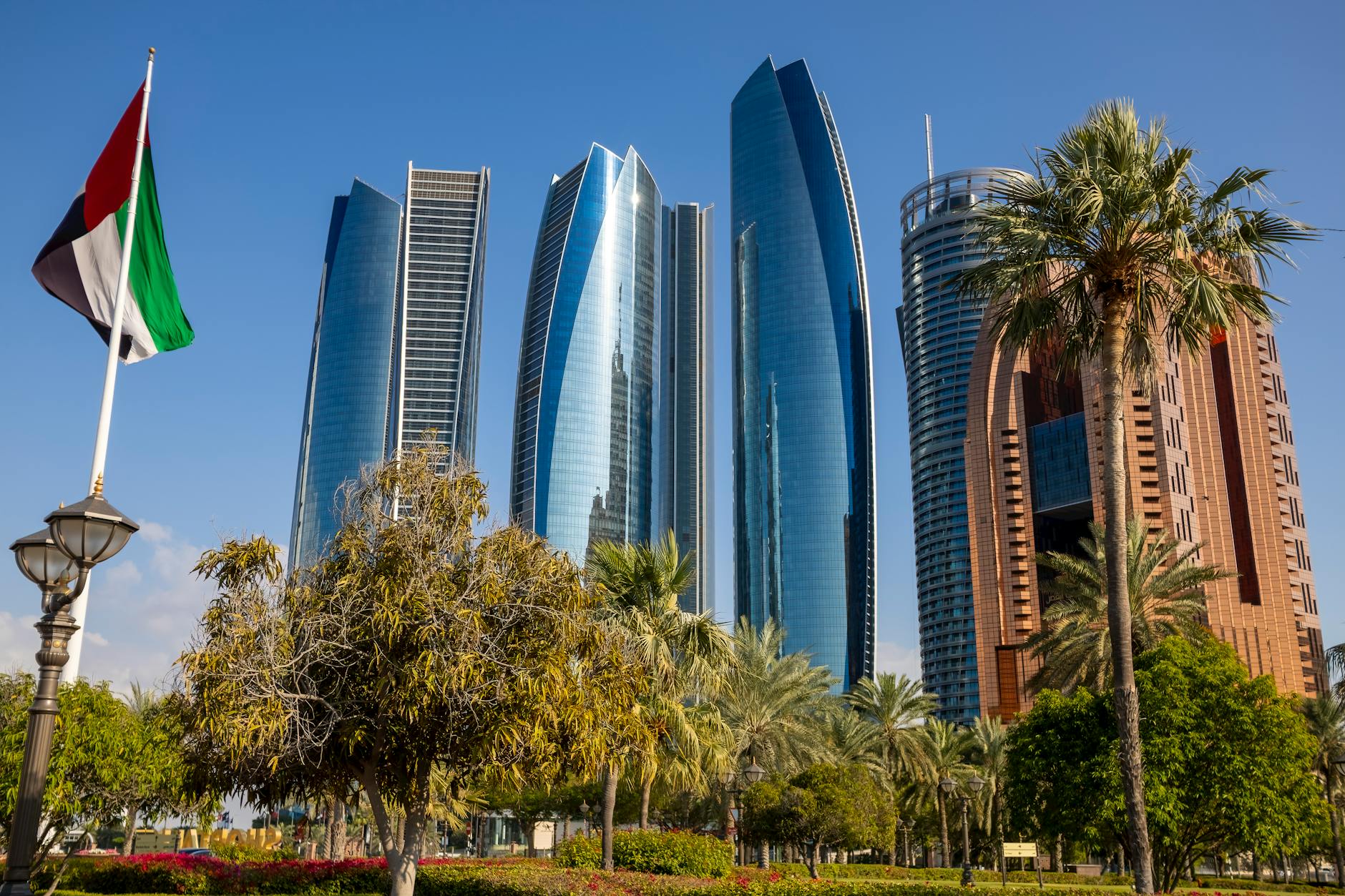
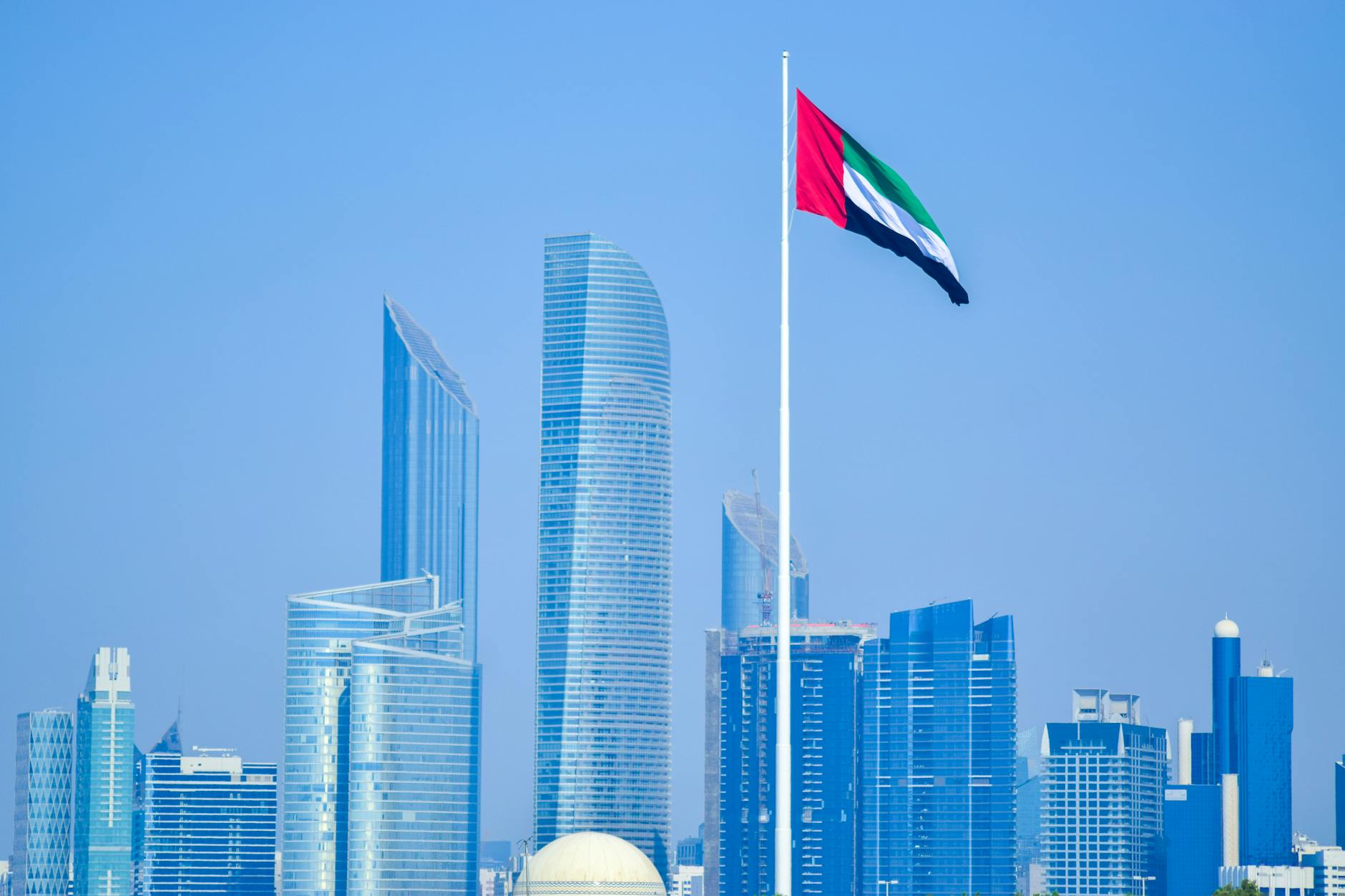
Image Analysis
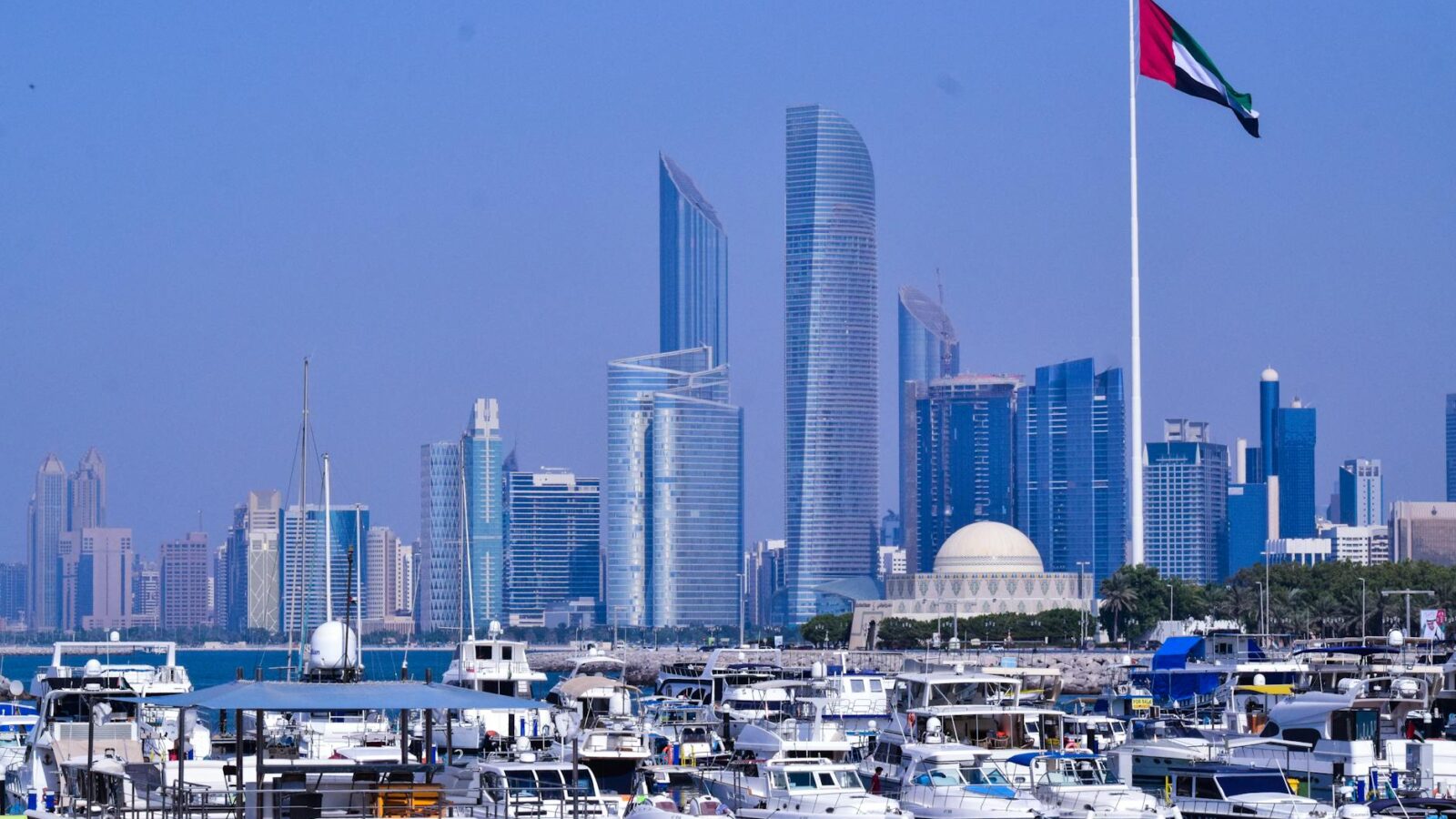
The image captures the dynamic skyline of Abu Dhabi, framed by luxury yachts in the foreground, symbolizing the UAE's wealth and ambition. The prominent Emirati flag waves atop its mast, embodying national pride amidst the shifting landscape of global oil politics. As the UAE exits OPEC, the juxtaposition of modern architecture against traditional maritime activity reflects a nation poised to redefine its energy narrative. Observers may note the contrast between this maritime hub and the towering skyscrapers, suggesting a transition from dependence on oil to diversified economic pursuits.