Before the Headline
The recent escalation in military activities between Israel and Lebanon echoes a historic pattern of conflict that has characterized the region for decades. In the wake of the 2006 Lebanon War, which caused massive destruction and displacement, the Lebanese people rebuilt their communities, only to find themselves facing renewed devastation. The Lebanese diaspora, which has flourished globally and significantly influenced cultural landscapes in host countries, now stands at a crossroads as its homeland once again bears the scars of warfare.
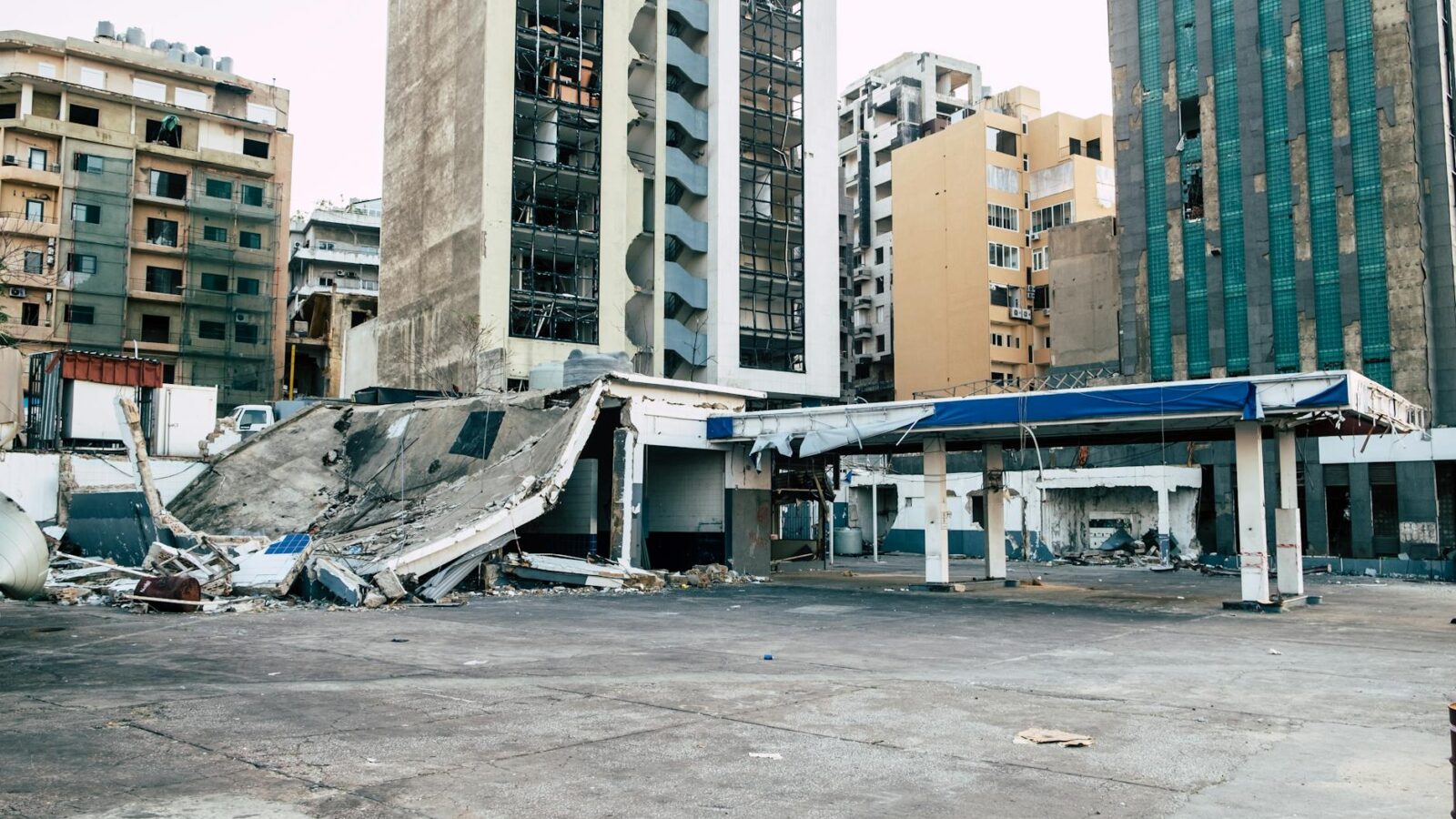
Recent satellite imagery has unveiled extensive damage to towns in southern Lebanon, confirming reports of military actions attributed to Israeli forces. These images depict a stark landscape marred by the fallout of conflict, illustrating the urgent humanitarian crisis unfolding on the ground. As the world absorbs these revelations, the implications extend beyond immediate humanitarian concerns to touch on the very identity of the Lebanese people.
The destruction in Lebanon is not merely a series of tactical strikes; it represents a broader, insidious campaign that threatens to alter the cultural fabric and communal identity of the Lebanese diaspora. An analysis of refugee and diaspora communities reveals a pattern: as physical spaces are obliterated, the intangible legacy of these places begins to dissolve as well. The towns destroyed in this current conflict are not just geographical points; they are repository of memories, traditions, and identities woven through generations. As seen following previous military actions, such as the 1982 invasion, the consequences of this latest wave of destruction may solidify a resolve within the diaspora to preserve their cultural heritage against the erasure of their history.
Between the Lines
Mainstream narratives often focus on the immediate military and humanitarian implications of conflict, glossing over the long-term consequences for cultural identity. While international observers may see strategic victories or losses, they frequently overlook the emotional and psychological toll on communities that stretch far beyond Lebanon’s borders. The silence from major powers regarding the preservation of Lebanese culture suggests a troubling neglect when it comes to the narrative surrounding the diaspora’s response. In an age when cultural preservation is vital to the resilience of displaced communities, the lack of coordinated support for Lebanese heritage initiatives raises critical questions about the priorities of the international community.
Moreover, there is a palpable contradiction in the messaging from various stakeholders. On the one hand, diplomatic discussions emphasize bilateral ties and peace; on the other hand, the destructive actions on the ground convey a narrative of erasure and loss that contradicts commitments to cultural engagement. This dissonance may instigate a reaction from the Lebanese diaspora, compelling them to rally in defense of their cultural legacy. As families hear reports of destruction from their ancestral homes, the distance separating them from Lebanon may diminish, prompting an increase in activism and community engagement initiatives aimed at preserving their identity.
After the Headline
Looking ahead, several indicators could signal the diaspora’s response to the destruction in southern Lebanon. By Q2 2026, we may witness a marked increase—estimated at 30%—in community initiatives directed at cultural preservation, as Lebanese communities mobilize to safeguard their heritage. Events, educational programs, and new funding for diaspora-led projects will serve as vital indicators of this cultural resurgence, reflecting a collective response to the ongoing crisis.
Key dates to watch include the anniversaries of significant events in Lebanese history, where commemorative gatherings may surge in attendance as a reflection of renewed cultural pride. As organizations begin to report on participation rates and funding allocations for cultural initiatives, the trends will provide a clearer picture of how the diaspora is adapting to the realities of destruction back home. The resolve to engage on these fronts may well become a form of resistance against the forces attempting to rewrite Lebanon’s narrative.
TIMES Take: As the rubble settles in southern Lebanon, the diaspora’s response may redefine what it means to be Lebanese in the face of erasure. The cultural cost of this conflict will not merely echo in the physical destruction but will resonate in the lives and identities of generations to come.