Before the Headline
The history of conflict between Israel and Lebanon is marked by both military and diplomatic tensions, often igniting at pivotal moments. In recent years, the balance of power has been precarious, with Hezbollah’s deep entrenchment in Lebanese society creating a complex web of alliances and enmities that often leave the state itself in a vulnerable position against external aggression.
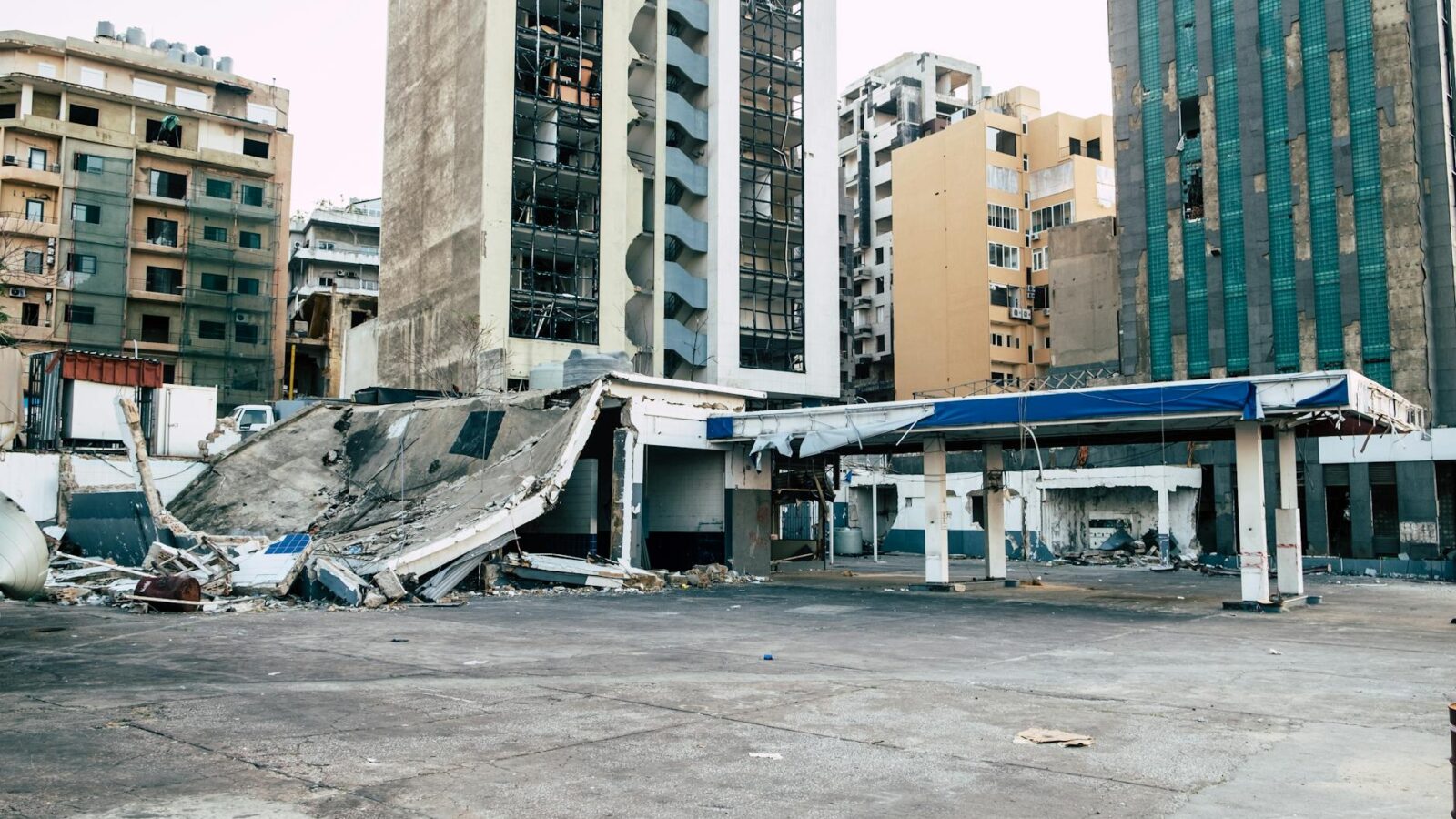
On a day that marked the deadliest escalation since the introduction of a truce, Israeli airstrikes in Lebanon resulted in the unfortunate deaths of 14 individuals. This military action not only highlights the ongoing volatility in the region but also raises questions about the broader implications for Lebanon’s internal politics.
For decades, Lebanon has straddled the divide between external military pressures and internal socio-political diversity. The strikes, targeting areas associated with Hezbollah, echo the 2006 Lebanon War, a conflict that left deep scars in the national psyche. While Israel framed its actions as necessary for national security, the reality is that such strikes further entrench Hezbollah’s narrative of resistance, galvanizing public sentiment against perceived foreign intervention.
Additionally, these airstrikes may serve to ignite a latent dissatisfaction among the Lebanese populace regarding their government’s ability to maintain sovereignty and security. The fragility of Lebanon’s political landscape suggests that the implications of these strikes extend beyond immediate casualties; they threaten to provoke an internal response that may destabilize the current government.
Between the Lines
Mainstream narratives often focus solely on the military escalation, overlooking the internal repercussions such events have on Lebanon’s governance and social cohesion. The Lebanese government’s silence in the face of such aggression speaks volumes; its inability to protect its citizens could lead to a significant erosion of public trust. This vulnerability may render the government susceptible to protests, as citizens demand accountability and a more robust response to threats from Israel.
Furthermore, the contradictions in the Israeli government’s messaging deserve scrutiny. While it publicly justifies its military actions under the guise of self-defense, it simultaneously risks inflaming the very tensions it claims to mitigate. The silence from Hezbollah suggests a strategic calculation, likely tied to maintaining its image amidst potential unrest, as they too are aware of the fine line they tread between defending national honor and managing public perception.
After the Headline
Looking ahead, the airstrikes could represent a tipping point in Lebanon’s internal dynamics. Should Israel conduct further military actions targeting Hezbollah strongholds, the consequences by Q2 2024 could be significant. Reports suggest that Lebanon may witness a rise in political unrest, with at least three major protests anticipated against the government as citizens grapple with the reality of a state unable to ensure their safety and assert its sovereignty.
Key dates to watch will include the upcoming Lebanese parliamentary sessions, where discussions around national security and foreign policy will likely take center stage. Monitoring public sentiment through protests or social media discourses will provide vital insights into how these airstrikes impact the Lebanese populace’s views on government efficacy and security.
TIMES Take: The recent airstrikes highlight not only the precariousness of Lebanon’s stability but also the broader implications for its political landscape. In a nation where the pulse of dissent is sensitive to external threats, the intersection of regional aggression and domestic unrest is fraught with peril.