
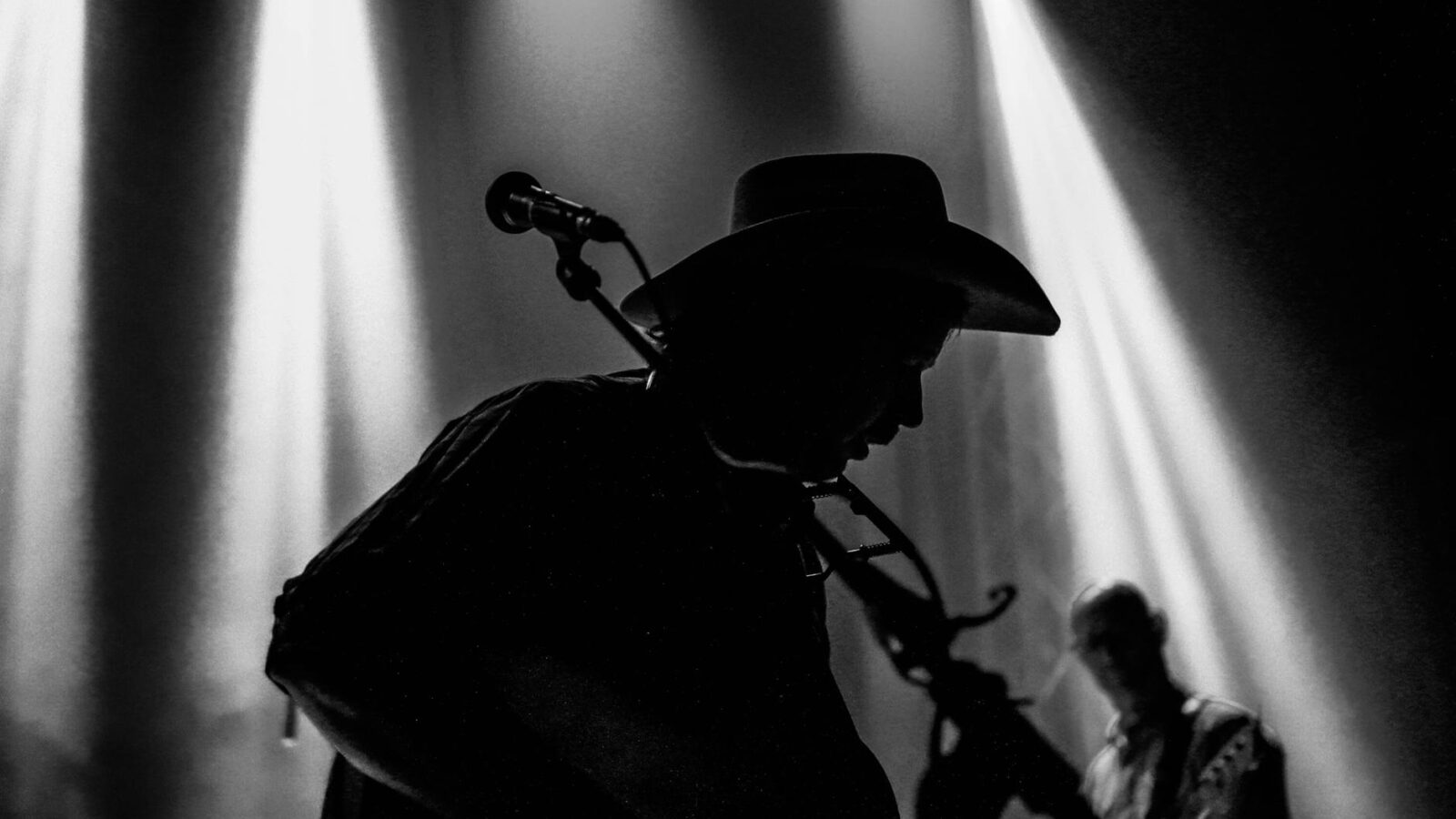
Before the Headline
David Allan Coe, a towering figure in outlaw country music, emerged in the 1970s as both a torchbearer for rebellion and a purveyor of provocative, often contentious lyrics. His career trajectory stands as a testament to the shifting sands of country music, from its roots in traditional storytelling to the broader acceptance of diverse narratives that now shape the genre’s landscape. Coe’s influence resonated through generations, challenging the status quo while embodying the spirit of independence that defines outlaw country.
The news of Coe’s passing at the age of 86 marks not just the end of an era but compels a deeper examination of his impact on country music. While tributes will inevitably highlight his rugged persona and polarizing works, the real story lies in how his life encapsulates the broader cultural shifts within the genre itself.
Coe’s career reflects the duality of country music—an arena where rebelliousness can coexist with commercialism, a tug-of-war that has defined the genre for decades. His songs, often raw and unfiltered, sparked dialogues about race, gender, and morality, echoing the tensions of a country in flux. Like Johnny Cash before him, Coe walked the line between outsider and mainstream success, revealing how country music can serve as a mirror for societal change. As we acknowledge his legacy, it becomes apparent that Coe’s contributions will shape the narrative of country music for years to come.
What We Know
- David Allan Coe passed away at the age of 86.
- He was an influential figure in the outlaw country music movement.
- Coe’s career spanned over five decades, beginning in the 1970s.
- His lyrics often sparked controversy and discussion.
- His legacy continues to impact contemporary country artists.
What We Don’t Know Yet
- How country music will evolve in response to Coe’s passing.
- What specific influences Coe’s work will have on the next generation of artists.
- Whether any country music awards will formally acknowledge his contributions in upcoming ceremonies.
Between the Lines
What mainstream obituaries may downplay is the extent to which Coe’s music challenged the prevailing norms of country, often blurring the lines between artistry and provocation. His lyrics were a direct confrontation with the cultural conservatism that has long been a hallmark of the genre, serving as both a rallying cry for rebels and a flashing red light for the establishment. As we reflect on his career, it becomes evident that Coe was not merely a participant in the genre; he was a catalyst for change, embodying the complex interplay between acceptance and rebellion.
Despite his controversial stances, the silence from some segments of the country music community about his impact raises questions about the genre’s readiness to fully embrace its own history. As the industry grapples with the implications of Coe’s passing, it must confront the legacy of a man whose life was as much about crafting narratives as it was about defying them. It’s a conversation about authenticity and acceptance that is far from resolved.
What This Means for You
For investors: Anticipate a potential uptick in interest in homage projects or tribute albums featuring Coe’s music. For commuters: Expect an influx of Coe’s songs on playlists as fans remember his work, potentially leading to renewed interest in outlaw country. For emerging artists: The evolution of country music means navigating the legacies of icons like Coe, which could inspire new narratives in their songwriting.
After the Headline
Looking ahead, the legacy of David Allan Coe may trigger a renaissance in the discussion surrounding the themes of rebellion and acceptance within country music. By Q2 2025, we may witness a shift in major country music award shows, with at least three introducing dedicated categories to honor artists who reflect these evolving narratives—a movement catalyzed by Coe’s life and works. The industry could use these forthcoming awards to redefine and celebrate its complex heritage.
TIMES Take: David Allan Coe was a paradoxical figure in a genre that often prizes conformity over individuality, and his passing invites a reckoning with the very identity of country music. As the landscape shifts, one thing remains clear: Coe’s legacy will resonate long after his departure, challenging future artists to find their own voice within the ongoing narrative of rebellion and acceptance.