
Before the Headline
The luxury automotive sector has traditionally been a fortress of prestige and performance, epitomized by brands like Aston Martin. However, the rise of environmental consciousness and electric vehicle technology is shaking this foundation, much like the transition from steam to electric power reshaped public transport in the early 20th century.
Aston Martin Lagonda Global Holdings Plc has reported yet another quarterly loss, as the company grapples with substantial financial hurdles under the leadership of billionaire Lawrence Stroll. The luxury carmaker’s failure to rebound raises questions not only about its future but also about the broader implications for the luxury automotive market as a whole.
The data released indicates that Aston Martin’s struggles are not just isolated financial missteps; instead, they reflect a significant paradigm shift in consumer preferences. As electric vehicles gain traction, Aston Martin’s heavy reliance on traditional high-performance models may signify an existential crisis not just for the brand, but for the luxury market at large.
What We Know
- Aston Martin reported another quarterly loss amid ongoing restructuring efforts.
- The company is under the leadership of billionaire Lawrence Stroll.
- Consumer preferences are increasingly favoring electric vehicles over traditional high-performance models.
- The broader luxury automotive sector is facing challenges related to sustainability and evolving consumer demands.
- Industry experts predict that significant strategic shifts towards electric vehicle production will occur by Q4 2025.
What We Don’t Know Yet
- How Aston Martin’s leadership plans to pivot its brand identity amid these challenges.
- The specific timeline Aston Martin will adopt for introducing electric models.
- Which competitors will successfully navigate this market transformation.
Between the Lines
Mainstream narratives often focus solely on Aston Martin’s financial metrics but overlook the deeper implications of its struggles. The company’s difficulty to adjust may signal a broader crisis within luxury brands that have historically thrived on exclusivity and performance, now vulnerability to consumer sentiment around sustainability.
The silence surrounding Aston Martin’s strategic roadmap raises the specter of indecision, a luxury it cannot afford. This echoes lessons from past corporate failures, where brands clung too tightly to their heritage while the market shifted beneath them, a reminder of how Blockbuster failed to adapt to the digital era.
What This Means for You
For investors: If Aston Martin cannot pivot effectively, its stock may continue to face downward pressure, prompting a rethink for risk-averse portfolios. For commuters: The impending shift to electric vehicles could reshape the types of cars available, affecting everything from pricing to performance. For luxury car enthusiasts: A decline in traditional performance models could lead to a scarcity of high-octane options, fundamentally changing the landscape of luxury driving experiences.
After the Headline
Looking ahead, the automotive landscape will be under intense scrutiny as we approach Q4 2025, a key indicator for established luxury brands that are expected to announce significant strategic shifts toward electric vehicle production. We’ll need to monitor press releases and industry announcements closely, as the forecast suggests that at least three luxury brands, including Aston Martin, will commit at least 30% of their new models to electric or hybrid technologies in response to market pressures.
This impending shift is not just about product offerings; it’s about survival. The luxury market must redefine its identity in light of environmental concerns, just as the steel industry had to adapt to a world increasingly hostile to pollution. Failure to do so could lead to an industry-wide reckoning.
TIMES Take: Aston Martin’s ongoing losses aren’t merely financial numbers; they are harbingers of a seismic shift in luxury that will test the very essence of what it means to be a high-performance carmaker in an electric future.
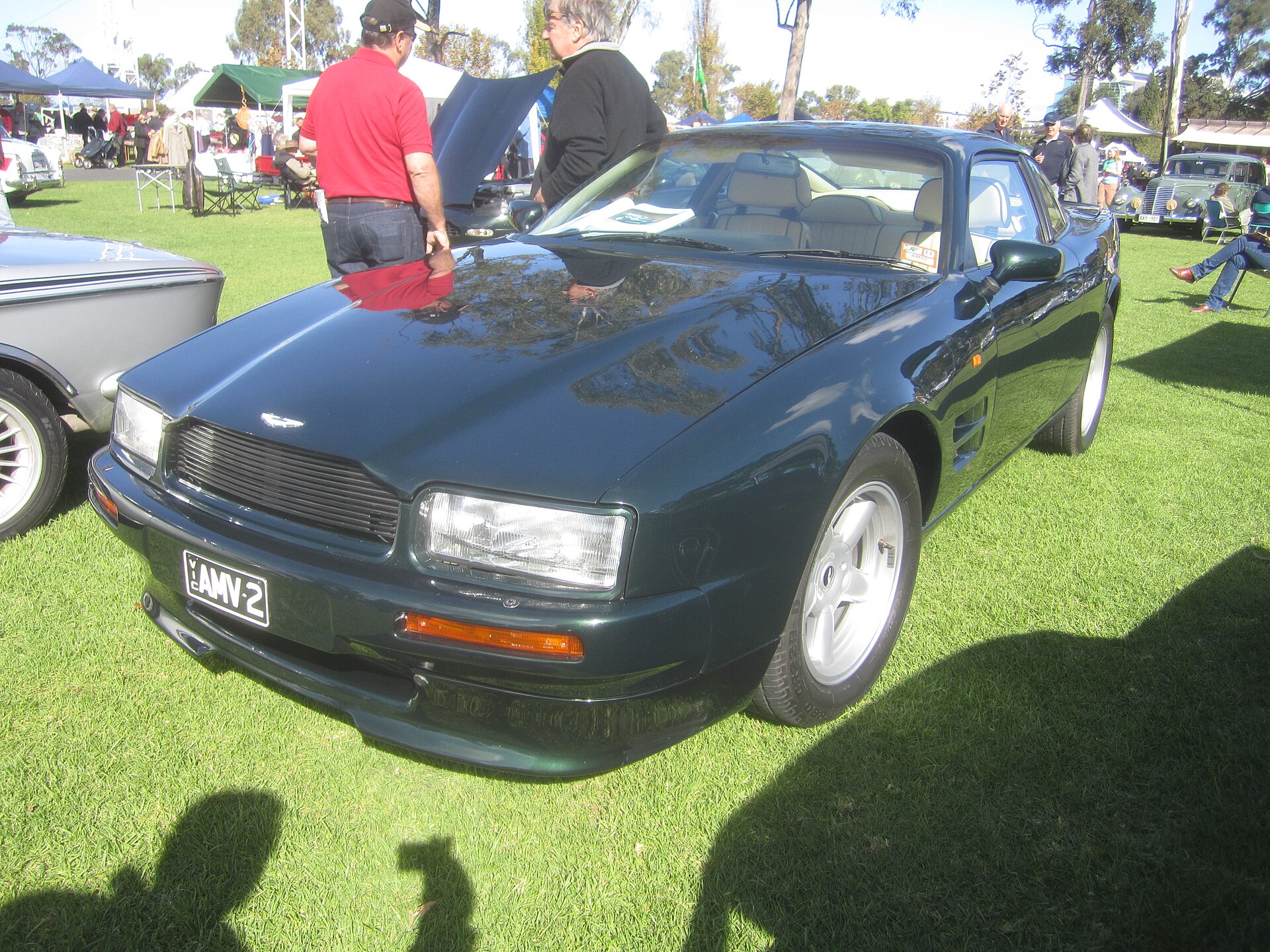
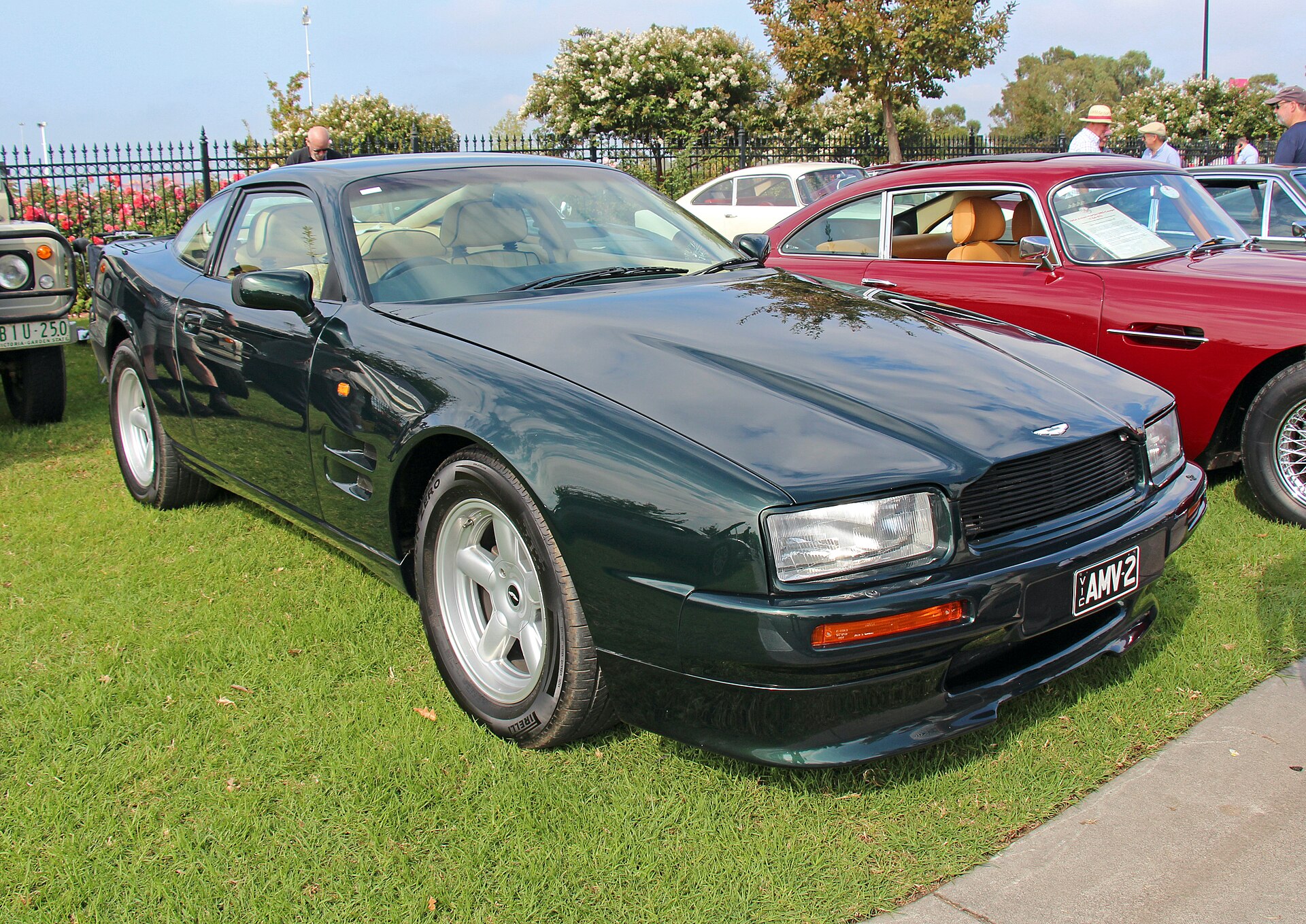
Image Analysis
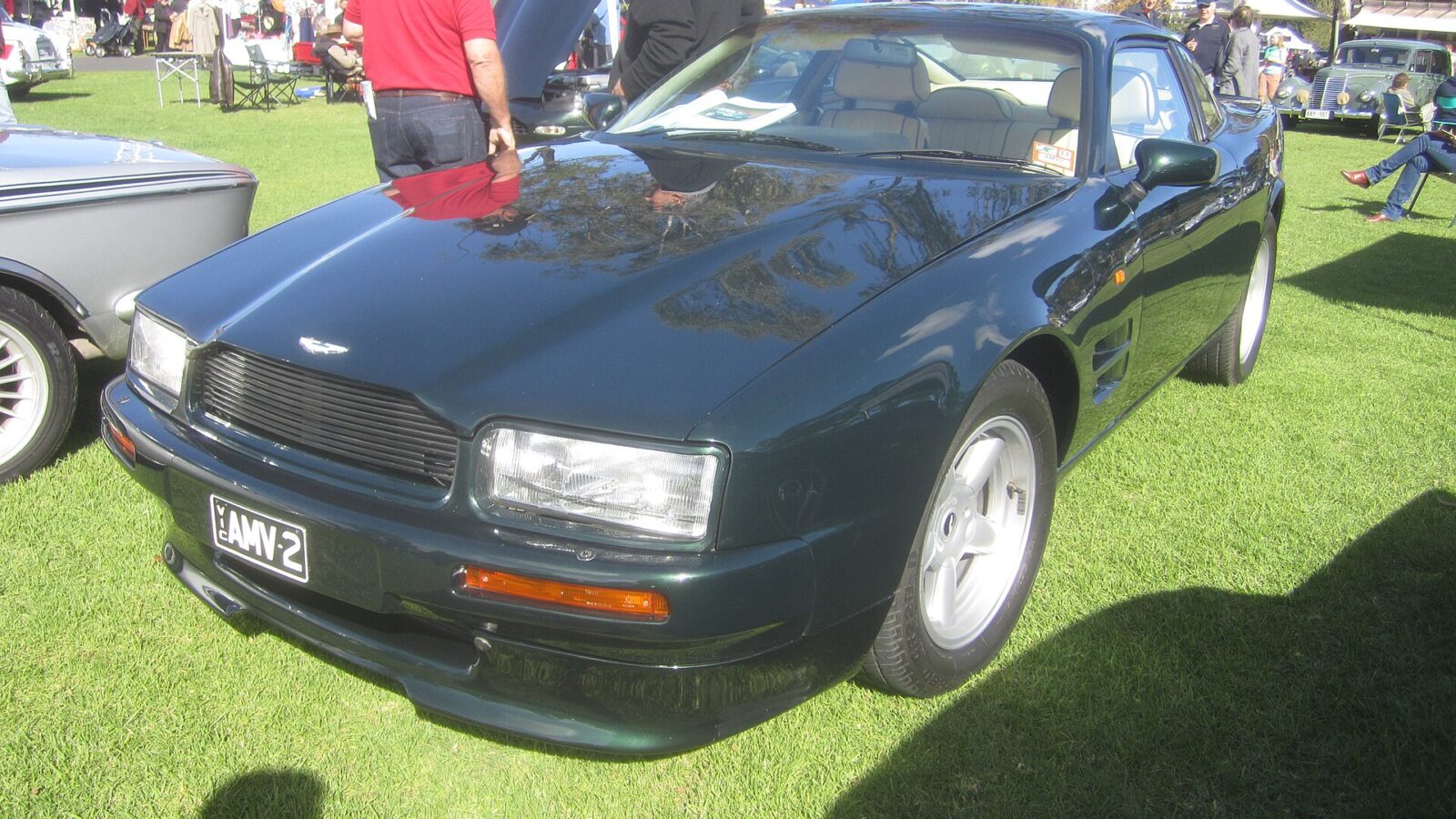
The image of the Aston Martin, a symbol of luxury and automotive prestige, juxtaposes the classic allure of the brand against its current financial struggles highlighted in "Aston Martin Faces Financial Turmoil Amid Luxury Shift." The gleaming green exterior reflects both nostalgia and a bygone era when luxury cars dominated the market, while the mixed crowd suggests a diminishing appeal among potential buyers. Subtle details, such as the vintage license plate and the car’s condition, emphasize the shift in consumer preferences away from traditional luxury to more sustainable choices, mirroring Aston Martin’s own challenges amidst changing market dynamics.