Before the Headline
The tech industry has long been embroiled in a dualistic narrative—one that celebrates groundbreaking advancements while remaining haunted by dystopian concerns. Elon Musk, a polarizing figure in this landscape, has been both a pioneer and a critic of artificial intelligence. His involvement with OpenAI since its inception in 2015 was ostensibly to promote safe AI development, yet his recent courtroom testimony sharply diverged from his previous actions, illuminating the profound contradictions within his stance.
In a high-profile trial, Musk testified that he founded OpenAI to prevent a ‘Terminator outcome’ from the rapid advancements in AI technology. This stark warning, delivered with the gravitas of a courtroom setting, seems to reflect a broader reckoning regarding the ethical implications of AI and the responsibilities of its creators.
What Musk’s comments reveal is not merely an individual’s cautionary tale but a microcosm of a much larger dilemma within Silicon Valley. The fervor for innovation often eclipses the ethical considerations inherent in such advanced technologies. Musk’s dramatic shift from an AI advocate to a harbinger of potential doom raises questions about accountability—a theme that resonates deeply in the ongoing discussions around technological ethics.
What We Know
- Elon Musk testified about his motivations for founding OpenAI in a recent court case.
- He articulated concerns about the risk of a ‘Terminator outcome’ resulting from unchecked AI advancements.
- Musk has been a prominent figure in the tech industry, having played pivotal roles in several groundbreaking ventures.
- OpenAI was founded in 2015, aiming to ensure that AI technology benefits humanity and is developed safely.
- This courtroom testimony has sparked renewed discussions on ethical considerations in AI development.
What We Don’t Know Yet
- How Musk’s testimony will impact the future direction of OpenAI and its initiatives.
- The responses from other tech leaders regarding Musk’s warnings and their implications.
- Whether this marks a turning point in tech industry accountability and ethical standards.
Between the Lines
<pWhile Musk's courtroom declarations have been met with intrigue, they also mask deeper contradictions in his relationship with AI. His concerns about a catastrophic future starkly contrast with his previous efforts to accelerate AI development through OpenAI. This dissonance begs the question: is Musk positioning himself as a reluctant guardian of AI ethics, or is he simply trying to distance himself from the very technologies he helped unleash?
<pMoreover, the mainstream narrative has largely overlooked the systemic factors contributing to this ethical conundrum. The rapid pace of innovation often pressures tech leaders to prioritize market competitiveness over ethical scrutiny. Musk’s comments might serve not only as a personal warning but also as a clarion call for the industry to address its own reckless tendencies before the consequences become irrevocable.
What This Means for You
For investors: This trial and Musk’s statements could signal shifts in funding towards ethically responsible AI initiatives. For commuters: Developments in AI transportation may face increased scrutiny that affects rollout timelines. For tech workers: The discourse around accountability may reshape workplace ethics as companies reassess their approaches to innovation and responsibility.
After the Headline
Moving forward, all eyes will be on OpenAI to see if Musk’s testimony catalyzes changes in operational practices. Key dates to watch will include upcoming board meetings and stakeholder discussions that could redefine the organization’s mission post-trial. Moreover, the responses from other influential figures in the industry and regulatory bodies will likely shape public perception and trust in AI advancements.
TIMES Take: Elon Musk’s courtroom revelations underscore a fundamental paradox in Silicon Valley: the relentless pursuit of technology often collides with a glaring need for ethical stewardship. As we navigate this precarious terrain, the question remains—who will take responsibility for the futures we create?
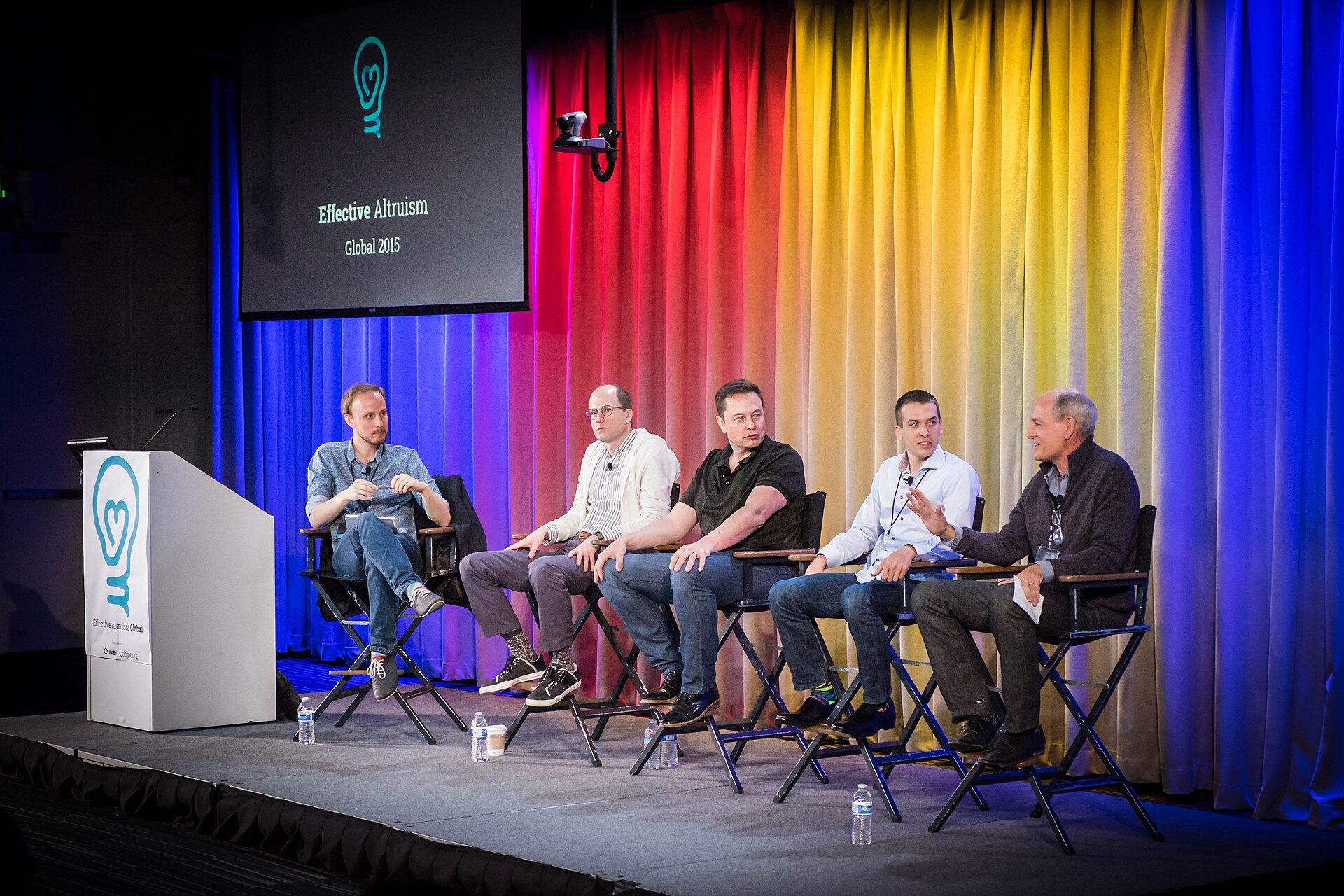
Image Analysis
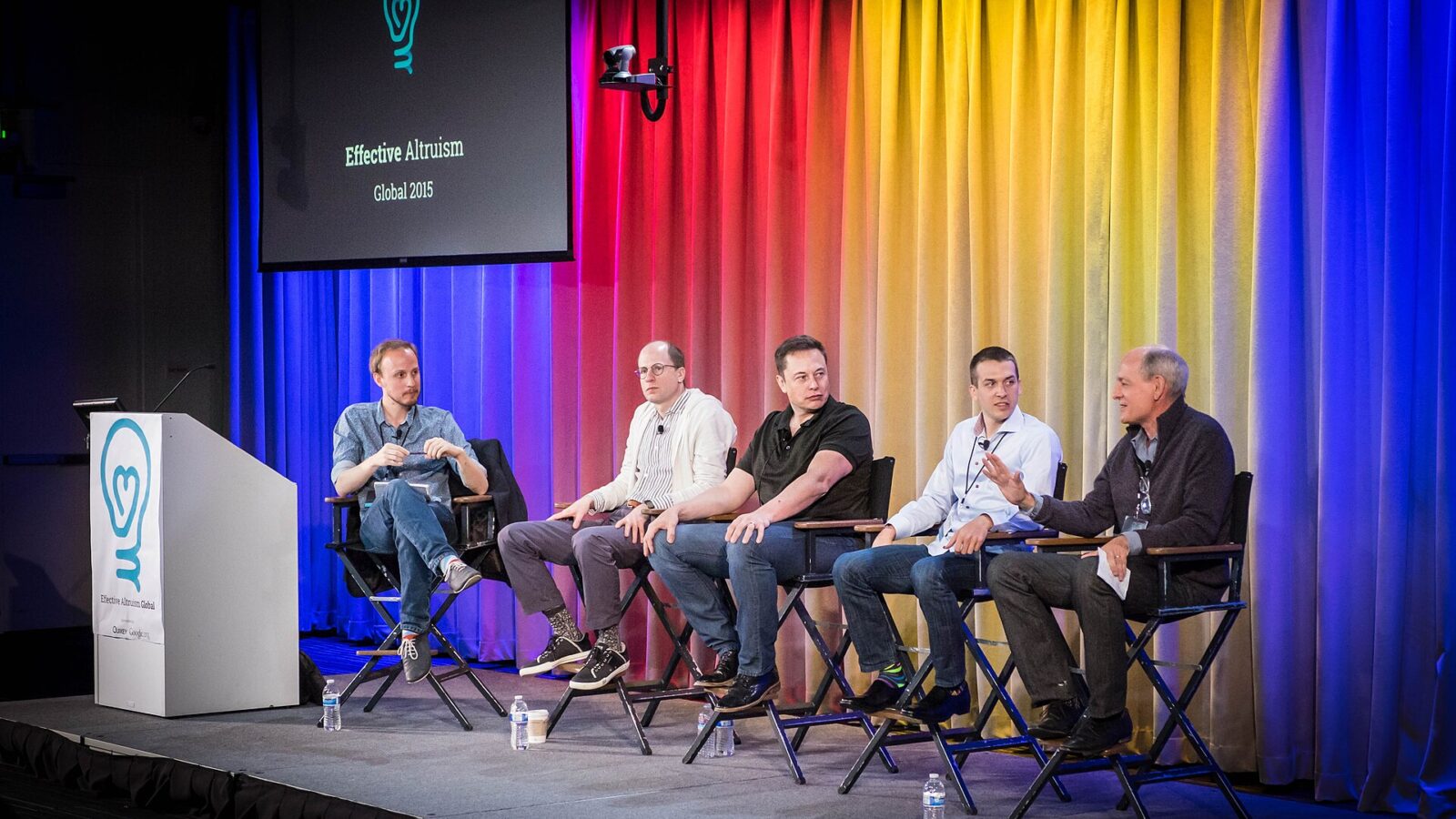
The image captures a pivotal moment from the Effective Altruism Global 2015 conference, where prominent figures, including Elon Musk, discuss critical ethical dimensions of AI development. The vibrant backdrop symbolizes the intersecting optimism and trepidation surrounding technology's future. Musk's attentiveness contrasts with the casual demeanor of the other panelists, reflecting his urgent warnings about AI safety. Subtle details, like water bottles and coffee cups, suggest a long, engaged dialogue ahead, emphasizing the ongoing debate about balancing innovation with ethical responsibility. This scene encapsulates the tensions highlighted in the article, where industry leaders grapple with the implications of their advancements.