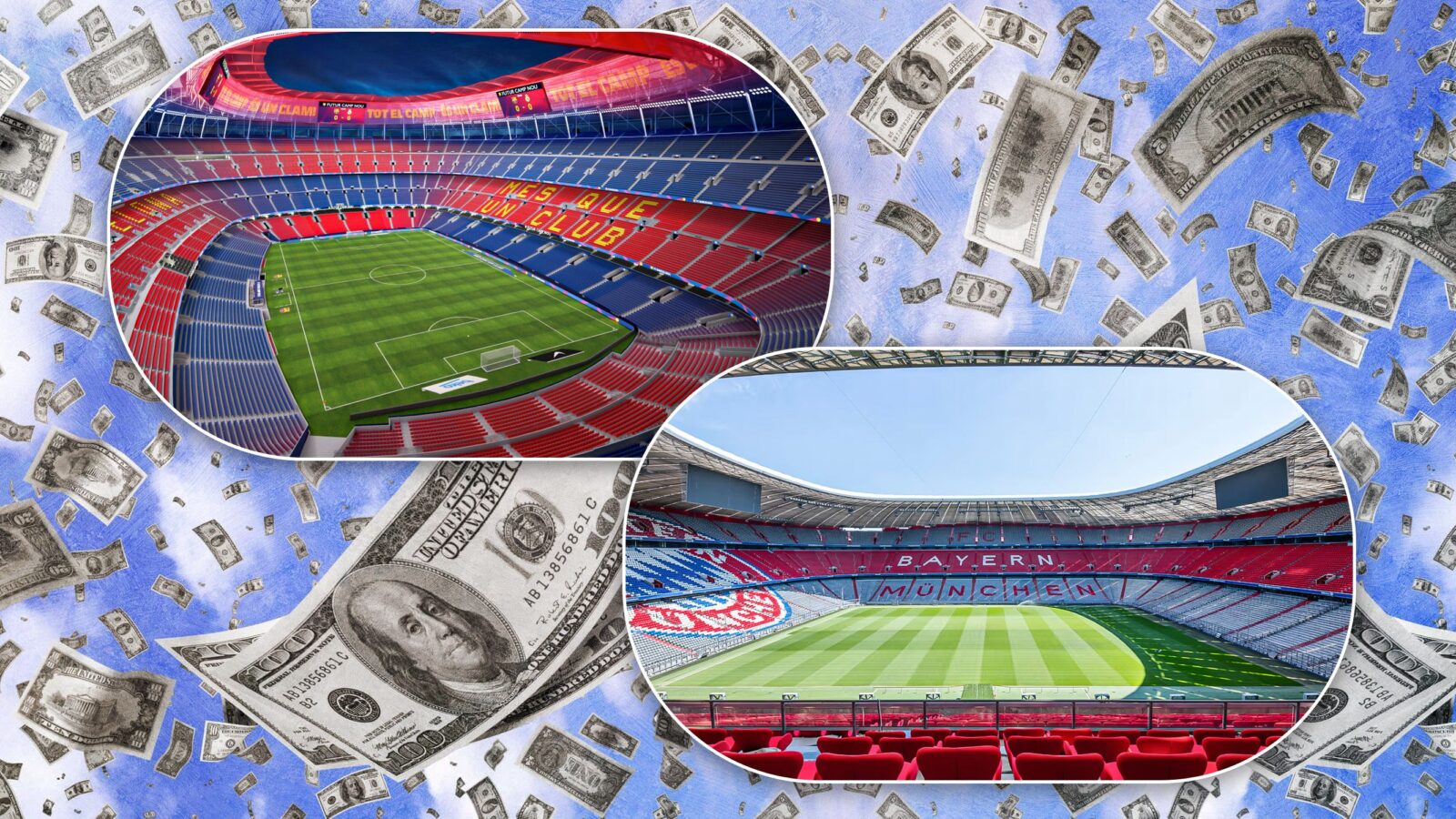
The roar of the crowd, the dazzling lights, the promise of lucrative partnerships – stadium naming rights have become the hottest commodity in global sports. But as a frenzy of multi-million dollar deals sweeps across continents, a chilling question emerges: Are we building sustainable sporting empires, or are we fueling a predictable bubble destined to burst, leaving behind a landscape of ghost stadiums drowning in debt?
The ink is barely dry on some of these gargantuan deals, yet the cracks are already beginning to show. Reports suggest that even major Fortune 500 companies are reconsidering stadium naming rights, a stark indicator that the market might be reaching a saturation point. This isn’t just about a few bad signings; it’s about a systemic risk where clubs and cities overextend themselves, chasing short-term glory at the expense of long-term financial stability. We’ve seen glimpses of this cycle in the past, but the current scale of investment, driven by a relentless pursuit of viral content and global appeal, feels exponentially more precarious.
Consider the Saudi Pro League’s audacious investments. Clubs like Al-Nassr, Al-Hilal, and Al-Ittihad are not just signing star players; they are aiming to build world-class infrastructure and global brands. While this injects vital capital and elevates the league’s profile, the parallel to the stadium naming rights gold rush is undeniable. Are these Saudi mega-projects – from the Red Sea’s luxury resorts and AlUla’s ancient wonders to Diriyah’s heritage sites and NEOM’s futuristic vision – building enduring legacies, or are they vulnerable to the same boom-and-bust dynamics that could plague Western stadium deals?
The implications are vast. In five to ten years, we could see a stark division: iconic venues with deeply integrated, sustainable partnerships thriving, while others become financially unviable, relics of an era of excessive spending. The ‘ghost stadiums’ narrative isn’t just about empty seats; it’s about the unrecoverable debt that cripples future development and fan engagement. Winners will be those who balanced ambition with fiscal prudence; losers will be those caught in the undertow of inflated valuations and unrealistic projections.
Scenario 1: The Great Correction (50%) — A significant market downturn forces widespread renegotiations, leading to a wave of stadium defaults and a more cautious approach to naming rights globally. Saudi clubs focus on organic growth within Vision 2030.
Scenario 2: The Saudi Hegemony (30%) — Saudi mega-projects and league investments absorb global talent and capital, creating a new, albeit different, model of stadium sustainability, while Western markets stabilize with more realistic valuations.
Scenario 3: The Saturation Point (20%) — The current trend continues unchecked, leading to financial crises in multiple markets, but ultimately forcing a painful but necessary reset.
💬 Join the Debate
As naming rights deals escalate, are we witnessing the birth of a new global sports economy, or are we on the cusp of a stadium debt crisis that will echo for decades?
Sources: