Before the Headline
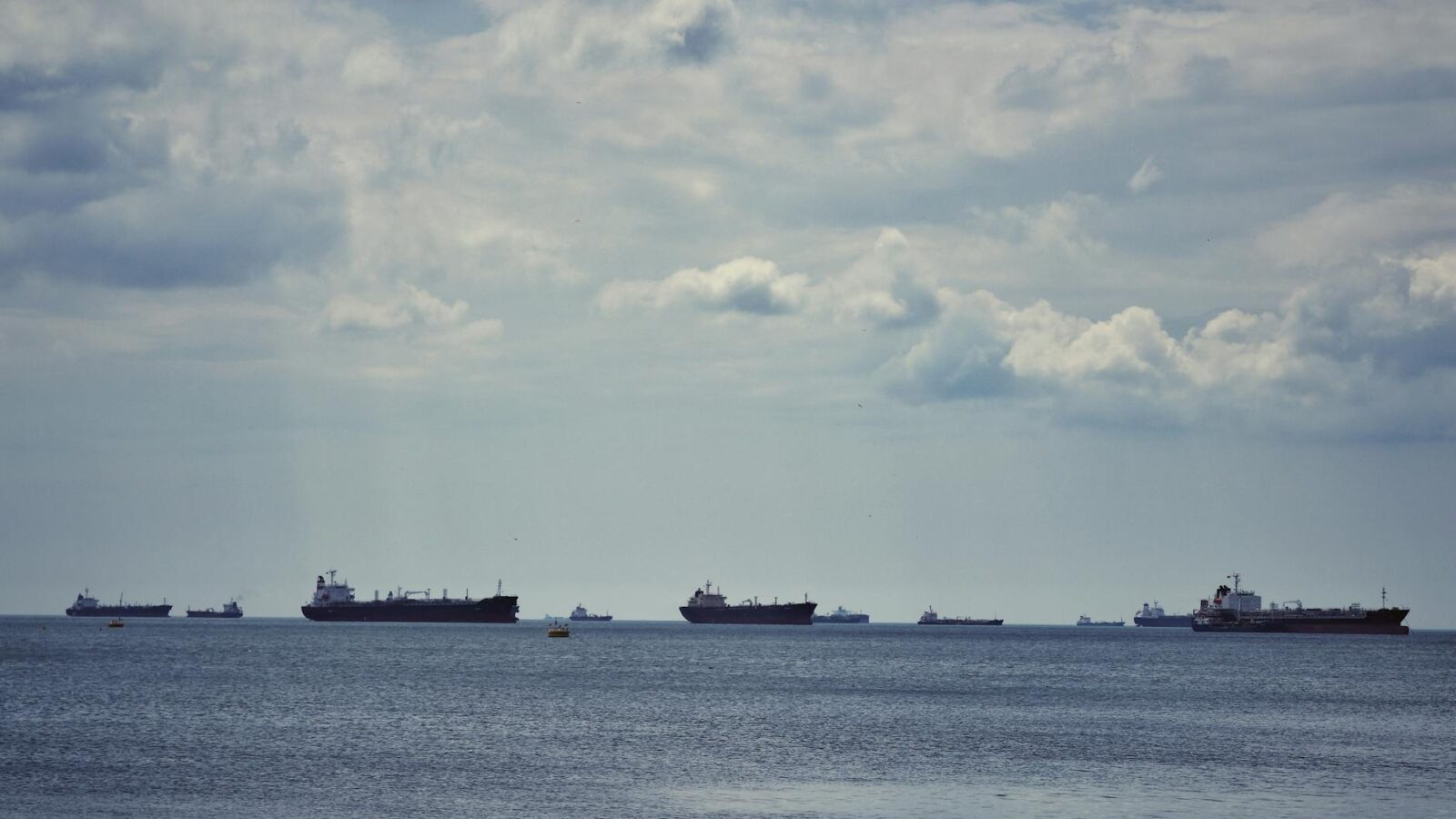
The Strait of Hormuz, a narrow waterway through which approximately 20% of the world’s oil passes, has long served as a pivotal choke point in Middle Eastern geopolitics. Its strategic importance has often drawn the U.S. and Iran into a delicate dance of power, which has historically been marred by conflict, sanctions, and diplomatic stalemates. As such, any proposal regarding its management inevitably carries weight beyond mere economics, evoking memories of the 1980s oil tanker wars and the ongoing instability that has defined U.S.-Iran relations.
In a notable development, Iran has recently proposed a deal to the United States that seeks to reopen the Strait of Hormuz while postponing crucial nuclear negotiations. This offer may appear straightforward on the surface, but its implications reverberate through the intricate web of regional alliances and energy security dynamics.
The proposed reopening of the Strait comes at a time when both nations are grappling with the ramifications of years of sanctions and military posturing. Iran’s move may be viewed as a tactical recalibration, leveraging a vital economic asset to negotiate from a position of strength. By prioritizing energy transit, Tehran signals its willingness to engage in discussions that could enhance not only its own economic stability but also that of its Gulf neighbors, while the U.S. is compelled to weigh its energy security interests in the region.
Furthermore, this proposal could represent a fundamental shift in how the U.S. approaches its dealings with Iran, moving beyond an exclusive focus on nuclear capabilities to include broader energy security concerns. Such a pivot echoes historical negotiations where economic interests led to temporary truces, as seen in the early 1990s before the Gulf War, illustrating the potential for unexpected alliances forged through mutual benefit.
Between the Lines
Mainstream discourse has primarily focused on the immediate implications of Iran’s offer; however, there lies a deeper irony. The postponement of nuclear talks suggests a reluctance on Tehran’s part to confront its own controversial nuclear agenda, indicating potential internal divisions about the best path forward. This hesitation could also reflect an understanding that energy security remains a more pressing issue for both sides, even as Western powers remain fixated on Iran’s nuclear ambitions.
Moreover, the silence surrounding the details of what conditions Iran might impose for reopening the Strait raises questions. What assurances does Tehran seek in exchange for its cooperation? The lack of clarity around Iran’s expectations implies potential pitfalls—any perceived failure to deliver could exacerbate tensions rather than alleviate them, shifting the focus back to a zero-sum game of nuclear brinkmanship.
After the Headline
Moving forward, several key indicators will emerge as crucial in assessing the trajectory of U.S.-Iran relations. The immediate impact of Iran’s proposal on shipping traffic through the Strait of Hormuz will be telling; any substantial increase in commercial activities could be a signal of thawing ties. More significantly, analysts should watch for developments in the U.S. Department of Commerce’s trade statistics, particularly a potential 15% increase in U.S. exports to Gulf Cooperation Council countries by Q4 2025, which would reflect enhanced cooperation and reduced hostilities.
As the geopolitical landscape evolves, key dates will loom large. The upcoming meetings of Gulf leaders, alongside Iranian officials, could serve as barometers for future negotiations. How both parties navigate this delicate moment will provide insight into whether this proposal marks a genuine pivot toward stability or simply a temporary lull in hostilities.
TIMES Take: Iran’s strategic offer to reopen the Strait of Hormuz may signal a new chapter in U.S.-Iran relations, one where energy concerns overshadow nuclear tensions—a pivotal balancing act between cooperation and conflict.