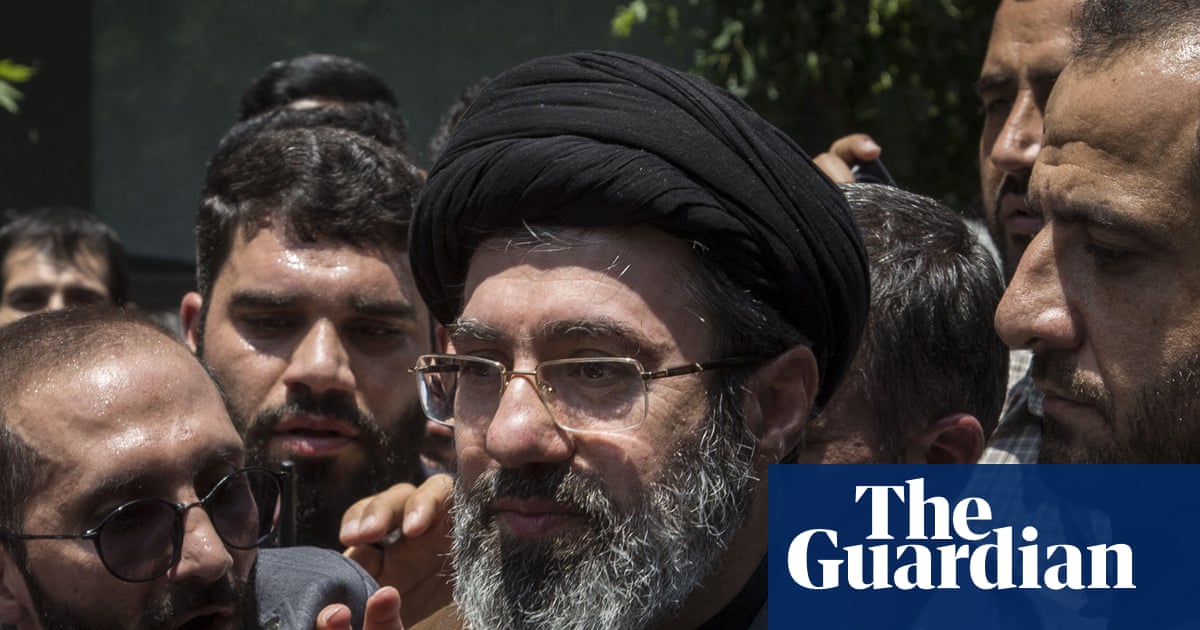
The Islamic Republic of Iran is once again at a crossroads, shrouded in speculation about the health and authority of its Supreme Leader, Ayatollah Ali Khamenei. While official pronouncements paint a picture of stability, a growing chorus of whispers from Tehran suggests a deep-seated struggle for succession, with the Islamic Revolutionary Guard Corps (IRGC) increasingly positioned to inherit the reins of power. This quiet, yet intense, power play could redefine Iran’s geopolitical stance and its internal trajectory for decades to come.
For years, the IRGC, a powerful military and economic entity, has been steadily consolidating its influence, extending its reach far beyond its traditional security mandate. Its growing economic footprint and control over key sectors have provided it with leverage that rivals, and in some cases surpasses, that of the civilian government. As Khamenei ages, the question is not if, but when, the succession will occur, and who will emerge as the dominant force. Many analysts believe the IRGC, with its disciplined structure and entrenched power, is the most likely beneficiary, potentially ushering in an era of even more assertive regional policies.
The implications of an IRGC-dominated Iran are far-reaching. Regionally, it could signal a more aggressive posture towards rivals, potentially escalating existing tensions in the Middle East. Globally, it could impact energy markets, international security, and nuclear proliferation efforts. The delicate balance of power within the region could be fundamentally altered, with unpredictable consequences for international diplomacy.
Looking ahead five to ten years, a succession dominated by the IRGC could see Iran doubling down on its asymmetric warfare tactics and proxy networks. This would likely alienate moderate factions within the country and further isolate Iran on the international stage. Conversely, a more unified, albeit hardline, leadership might seek to consolidate domestic power before engaging in significant foreign policy shifts. The winners in such a scenario would be those who benefit from continued instability and geopolitical friction, while losers would include nascent reform movements and nations seeking de-escalation.
We can envision three potential scenarios:
- IRGC Consolidation (60%): The IRGC effectively manages the succession, installing a loyalist leader or collective leadership, and continues its assertive regional policy, potentially increasing tensions.
- Internal Power Struggle (30%): Khamenei’s passing triggers a chaotic internal fight, leading to temporary paralysis and unpredictable outcomes, possibly even internal unrest.
- Emergence of a Moderate (10%): A dark horse candidate with a more pragmatic approach gains unexpected traction, leading to a potential shift towards de-escalation and internal reform.
💬 Join the Debate
With the IRGC’s shadow looming large, will Iran’s next Supreme Leader be a military commander or a cleric, and how will this choice reshape the Middle East?