
For decades, the relationship between Saudi Arabia and Pakistan has been a cornerstone of regional stability, built on shared faith and mutual strategic interests. But the recent flurry of high-level engagement between Crown Prince Mohammed bin Salman (MBS) and Pakistani Prime Minister Shehbaz Sharif signifies a strategic recalibration, a deepening of ties that promises to reshape regional dynamics.
The handshake between MBS and Sharif is more than just a photo opportunity; it’s a signal of robust intent. The headline figure is Saudi Arabia’s commitment of over $5 billion in investment and support for Pakistan’s economy, a lifeline for a nation grappling with persistent financial challenges. This isn’t mere charity; it’s a strategic investment designed to bolster Pakistan’s stability, which directly serves Saudi interests.
Defense and Economic Symbiosis
At the heart of this renewed alliance lies significant defense cooperation. While specifics remain largely classified, the agreement signals an intent to enhance Pakistan’s military capabilities and potentially secure Saudi defense interests through a trusted partner. This also dovetails with substantial Saudi investment pledges across various sectors, from energy to mining, aiming to stabilize Pakistan’s economy and create a more predictable investment climate.
This burgeoning partnership sends a clear geopolitical message:
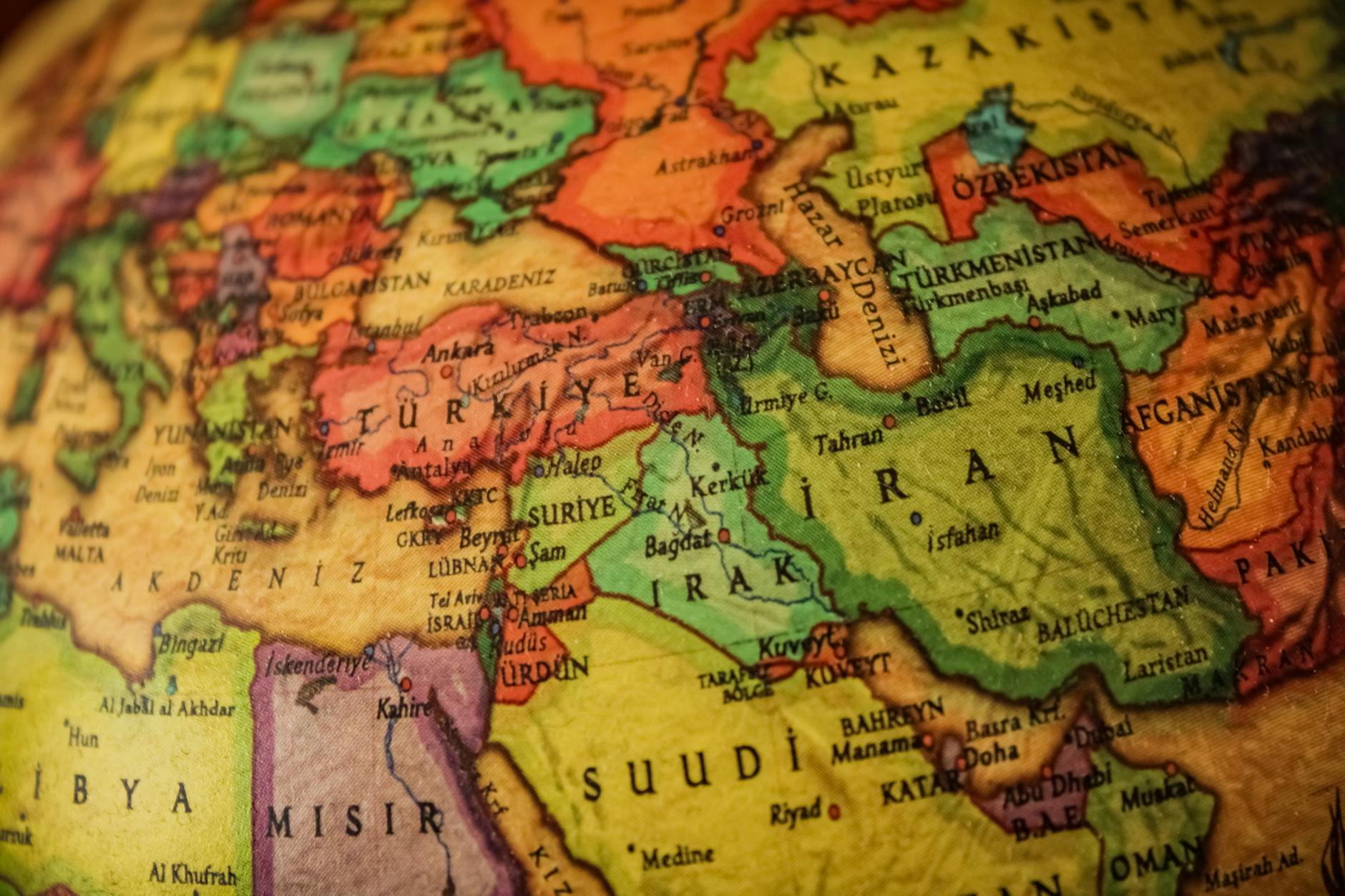
- To India: The alliance is a clear signal to New Delhi, which views Pakistan with deep suspicion. A strengthened Pakistan, backed by Saudi financial and potentially military might, alters the strategic calculus for India.
- To Iran: Riyadh’s overt alliance with Islamabad, a nation with significant historical ties to Tehran, could complicate Iran’s regional ambitions and potentially offer Saudi Arabia a more direct conduit for influence adjacent to its rival.
- To the USA: For Washington, this alliance presents a complex equation. While it may see a stable Pakistan as a bulwark against extremism, the deepening ties with Saudi Arabia, especially concerning defense, could challenge US influence and traditional security partnerships in the region.
- To China: Beijing, already deeply invested in Pakistan through the China-Pakistan Economic Corridor (CPEC), will watch this alliance closely. Saudi investment could either complement or compete with Chinese interests, depending on the nature of the deals.
Future Scenarios
Looking ahead, three scenarios emerge:
Scenario 1: Enhanced Regional Stability (40% Probability)
The investments stabilize Pakistan’s economy, leading to greater internal stability. This, in turn, allows Pakistan to play a more constructive role in regional security, potentially acting as a bridge between Saudi Arabia and other regional players, thereby reducing tensions.
Scenario 2: Shifting Geopolitical Alliances (35% Probability)
The alliance solidifies into a de facto bloc, with Pakistan becoming a key strategic and defense partner for Saudi Arabia. This could lead to a significant realignment, drawing Pakistan further away from traditional Western alignments and potentially increasing tensions with India and Iran.
Scenario 3: Economic Strains and Divergence (25% Probability)
Despite initial enthusiasm, the economic investments face implementation challenges due to Pakistan’s structural issues. Saudi Arabia may begin to perceive diminishing returns, leading to a cooling of the alliance and a return to more transactional engagements, leaving Pakistan’s economic woes largely unaddressed.
The Saudi-Pakistan axis, propelled by MBS’s ambitious vision and Pakistan’s pressing needs, is more than a partnership; it’s a strategic realignment. Its success or failure will profoundly impact the geopolitical landscape of both the Middle East and South Asia for years to come.
💬 Join the Debate