The relentless march of technology often leaves a trail of broken promises and outdated paradigms. For years, we’ve accepted a rhythm: new hardware, followed by timely software updates that enhance the user experience. But with the recent rollout of One UI 8.5 for the Galaxy S25 series, a stark question emerges: are we witnessing the twilight of stable smartphone software updates?
Reports indicate that while Samsung has indeed begun distributing the stable One UI 8.5 to Galaxy S25 owners, the rollout hasn’t been without its hiccups. Some users are still waiting, facing delays that blur the lines between new feature adoption and the promise of a consistent, reliable user experience. This fragmentation isn’t just an inconvenience; it signals a potential shift in manufacturer priorities, where the allure of the next hardware innovation overshadows the diligent refinement of existing software.
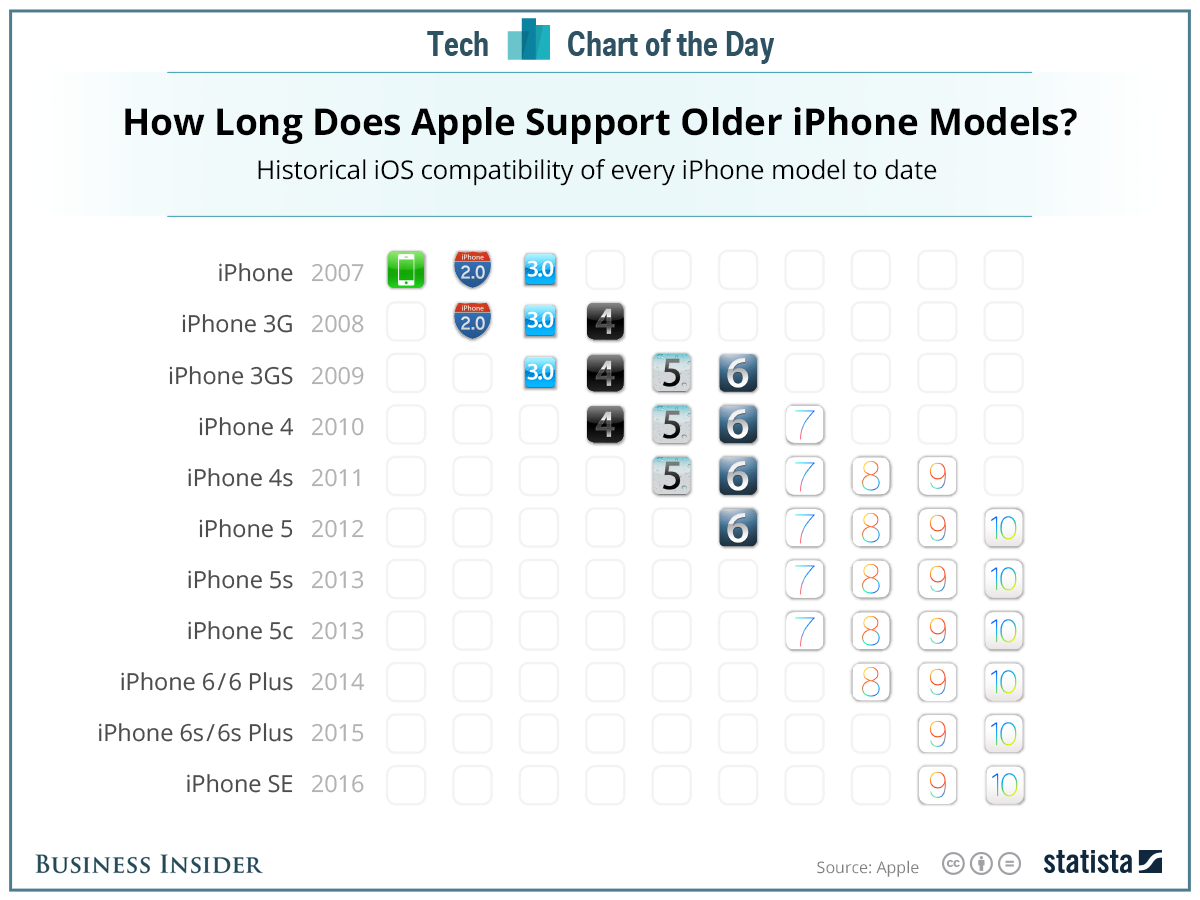
Consider the trajectory. Manufacturers are locked in a fierce competition to deliver the next groundbreaking feature, the sleeker design, the faster chip. This constant chase for hardware novelty risks relegating software updates to a secondary concern, a mere footnote in the spec sheet rather than a core pillar of the product lifecycle. If the S25, a recent flagship, is already grappling with a staggered update, what does this portend for future devices? Will we see a future where owning a premium smartphone means accepting a progressively shorter window of optimized software performance?
The implications are vast. Consumers, particularly those who invest in high-end devices expecting longevity, could face a future where their expensive smartphones become technologically obsolete not due to hardware failure, but due to software abandonment. This could lead to a widening gap between the haves and have-nots in the digital realm, where only the wealthiest can consistently access the latest, most stable software experiences. Conversely, manufacturers who prioritize software longevity could carve out a niche, building brand loyalty on reliability rather than sheer spec-sheet dominance.
Looking ahead, we could be on a path with three distinct scenarios:
Scenario 1 (50% Probability): The Great Stagnation. Hardware cycles continue to shorten, and software updates become increasingly infrequent and buggy. Users are forced to upgrade hardware more often to access new features or security patches, creating a boon for manufacturers but a drain on consumers and the environment.
Scenario 2 (30% Probability): The Software Renaissance. A few key players recognize the market demand for longevity. They invest heavily in streamlined, rapid, and stable software updates, differentiating themselves from the competition and creating a new standard for user loyalty.
Scenario 3 (20% Probability): The Platform Shift. Operating systems evolve to become more modular or adaptable, allowing for independent updates of core functionalities and features, decoupling them from the rigid hardware release schedule.
The current situation with the Galaxy S25 and One UI 8.5 is more than just a technical report; it’s a canary in the coal mine, signaling a potential shift in the very definition of smartphone value. As hardware cycles accelerate, will the promise of enduring software be the next casualty of progress?
💬 Join the Debate
As the pace of hardware innovation outstrips software optimization, is the era of the stable smartphone update truly coming to an end?
Sources: