Before the Headline
The backdrop of Palestinian governance has been fraught with conflict and disunity, particularly since the outbreak of the Gaza war in 2014. Previous attempts at holding elections have been mired in political strife between Fatah in the West Bank and Hamas in Gaza, often leading to deeper divisions and diminished faith in democratic processes. Against this historical context, the resumption of municipal elections serves as a potential inflection point for Palestinian self-governance and civic engagement.
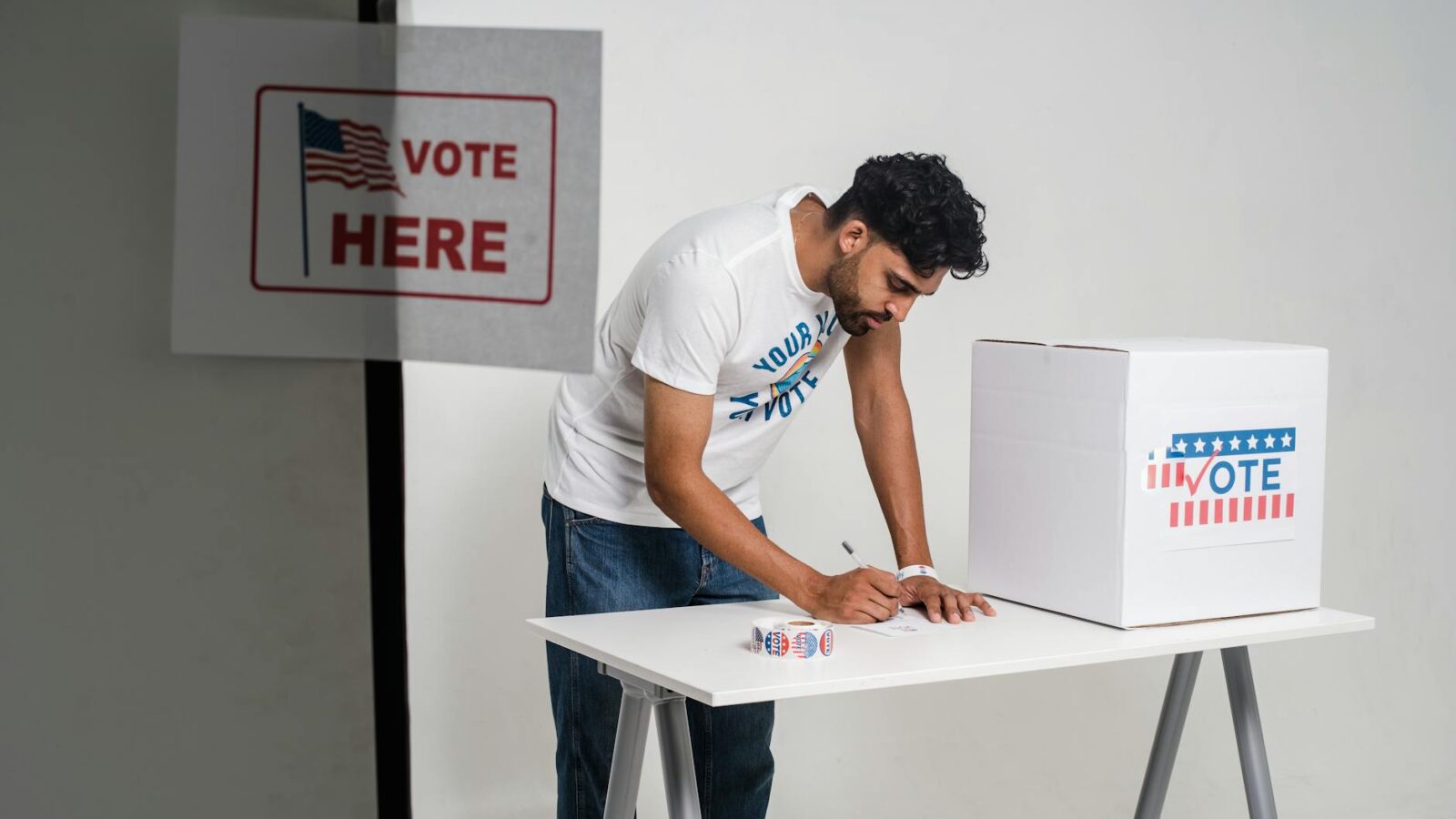
This week, Palestinians participated in municipal elections for the first time in nearly a decade, marking a significant step toward re-establishing democratic practices in both Gaza and the West Bank. The elections witnessed a mix of established political parties and a surge of grassroots candidates, reflecting a palpable desire for change among the electorate.
As voters stepped into polling stations, their choices echoed a longing not only for local leadership but also for a broader sense of unity. With voter turnout reflecting a diverse array of interests, this election holds the promise of revitalizing a political landscape long beset by fragmentation. Historical parallels can be drawn from past local elections in 2005, which initially fostered a semblance of collaboration among Palestinian factions before political strife overshadowed potential cooperation.
Between the Lines
What is often overlooked in mainstream narratives is the broader significance of these elections beyond mere voter participation. While the narrative may celebrate the act of voting itself, it is essential to recognize the potential this election has to ignite grassroots movements eager for reform and accountability. The candidacies from local community leaders signify an emerging challenge to established political norms, suggesting a shift towards a more representative governance model.
Furthermore, the underlying tensions between Hamas and Fatah remain palpably unresolved. Candidates from both factions ran in a climate charged with skepticism, hinting at a fragile peace that could either evolve into collaboration or descend into further division. The silence on widespread issues—such as economic hardship and human rights—speaks volumes about the political maneuvering at play, as both parties may be reluctant to address these pressing concerns while vying for electoral success.
After the Headline
Looking ahead, the upcoming municipal elections in April 2024 will be pivotal in determining the trajectory of Palestinian governance. Should voter turnout exceed 60% and a noticeable shift favor grassroots candidates occur, we may very well witness a budding coalition aimed at local governance reform. By the end of 2025, one could anticipate at least two collaborative initiatives between previously opposing factions, laying the groundwork for a more cohesive political environment.
Indicators to watch will include official voter turnout statistics, as well as announcements regarding inter-party alliances in the wake of these elections. Monitoring these developments will provide critical insight into the evolving dynamics of Palestinian politics, reinforcing the notion that democracy can serve as a bridge rather than a barrier.
TIMES Take: The municipal elections present a rare opportunity for Palestinians to reclaim their political agency, potentially redefining their governance landscape. The path ahead is fraught with challenges, but the vote represents a flicker of hope amid decades of discord.