Before the Headline
For decades, Colombian music has oscillated between mainstream pop and the vibrant rhythms of regional folklore. With the global success of genres like reggaeton and vallenato, artists have used their platforms to bridge traditional sounds and contemporary storytelling. However, this blending often sidelined urban narratives rooted in the socio-economic struggles of many Colombians. Now, with the emergence of artists like Ryan Castro, we see a shift that reflects these often-overlooked voices.
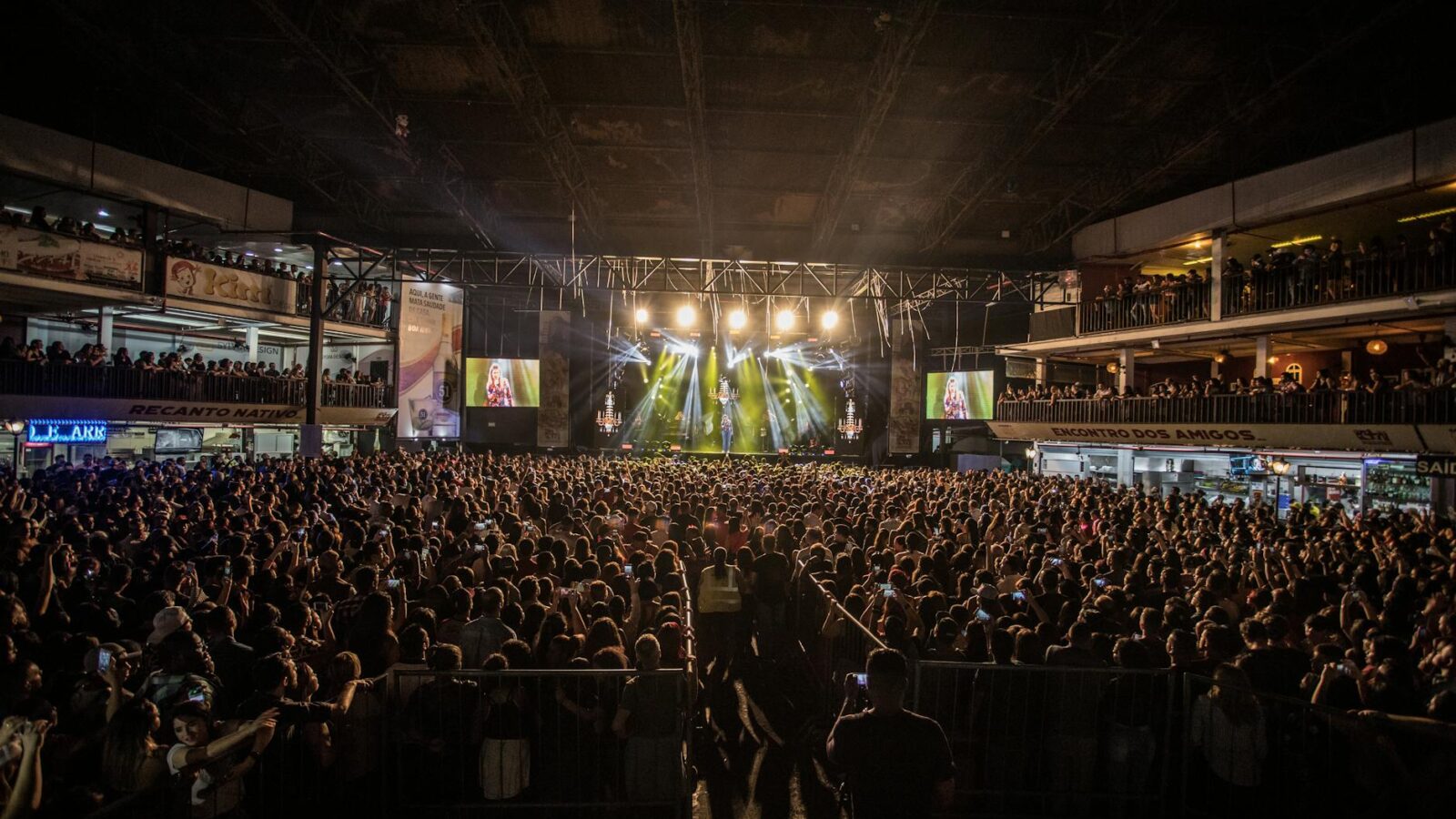
Recently, Ryan Castro delivered a landmark performance at the Atanasio Girardot Stadium in Medellín, cementing his status as a leading figure in the urban music scene. This event not only attracted thousands but also underscored his journey from local talent to a pop phenomenon, embodying the aspirations of a new generation.
Castro’s ascent represents a significant departure from the past, where many Colombian artists adhered to commercial expectations. Merging elements of hip-hop with traditional Colombian rhythms, his music articulates the lived experiences of young urbanites, echoing the sentiments of marginalized communities. This blend captures a spirit of resilience and reinvention, much like the way classic rock artists of the ’60s and ’70s challenged the status quo through their music, reshaping cultural landscapes in the process.
Moreover, Castro’s lyrics speak to a generation grappling with economic challenges and social inequalities. As he fills stadiums, he also fills a crucial cultural gap, paving the way for discussions around urban identity and the socio-political dimensions of music in Colombia. His journey encapsulates not just personal growth but a larger movement where artists are leaning into their roots while simultaneously pushing against traditional confines.
Between the Lines
What remains largely unspoken in mainstream narratives is the profound cultural significance of Castro’s success. While many celebrate his rising stardom, few acknowledge that this is more than just a personal victory; it’s a reflection of the changing face of Colombian music, where urban voices are finally being amplified. The commercial music industry has often overlooked the complexities of urban life, opting instead for universal themes that resonate with broader audiences. Castro’s trajectory, however, calls this approach into question.
Furthermore, there is a complex interplay at work within Colombian society. As artists like Castro gain visibility, they challenge the established music hierarchy, which has historically privileged certain narratives while marginalizing others. This shift begs a deeper examination of who gets to define Colombian music. The richness of his work lies in its authenticity; Castro does not merely replicate trends but reinvents them, making his success both a personal and cultural landmark.
After the Headline
Looking ahead, we should closely monitor the evolution of urban music in Colombia, particularly in how it gains traction on global platforms. By Q2 2025, we can expect to see at least five Colombian urban artists, inspired by Castro’s journey, achieving over 1 million monthly listeners on Spotify. This anticipated wave will signify not only a commercial validation of urban sounds but also a cultural shift towards embracing local narratives that reflect broader social realities.
As audiences increasingly seek authenticity and representation in music, Castro’s influence may encourage other artists to embrace their roots and challenge industry norms. This burgeoning movement will likely serve as a bellwether for the future of Latin music, illustrating how urban influences and traditional sounds can seamlessly coexist while empowering a new generation of voices.
TIMES Take: Ryan Castro is not just a pop star; he is a herald of change. His music captures the pulse of a generation, bridging the gap between urban struggles and universal aspiration.