Before the Headline
The backdrop of US-Iranian relations is a complex tapestry woven over decades, characterized by oscillating tensions and occasional thawing periods. The 2015 nuclear deal, formally known as the Joint Comprehensive Plan of Action, seemed to offer a fleeting opportunity for diplomatic rapprochement. However, the reimposition of sanctions and the withdrawal of the U.S. under the Trump administration has since relegated these diplomatic overtures to the realm of distant possibility, casting a long shadow over the hopes for regional stability.
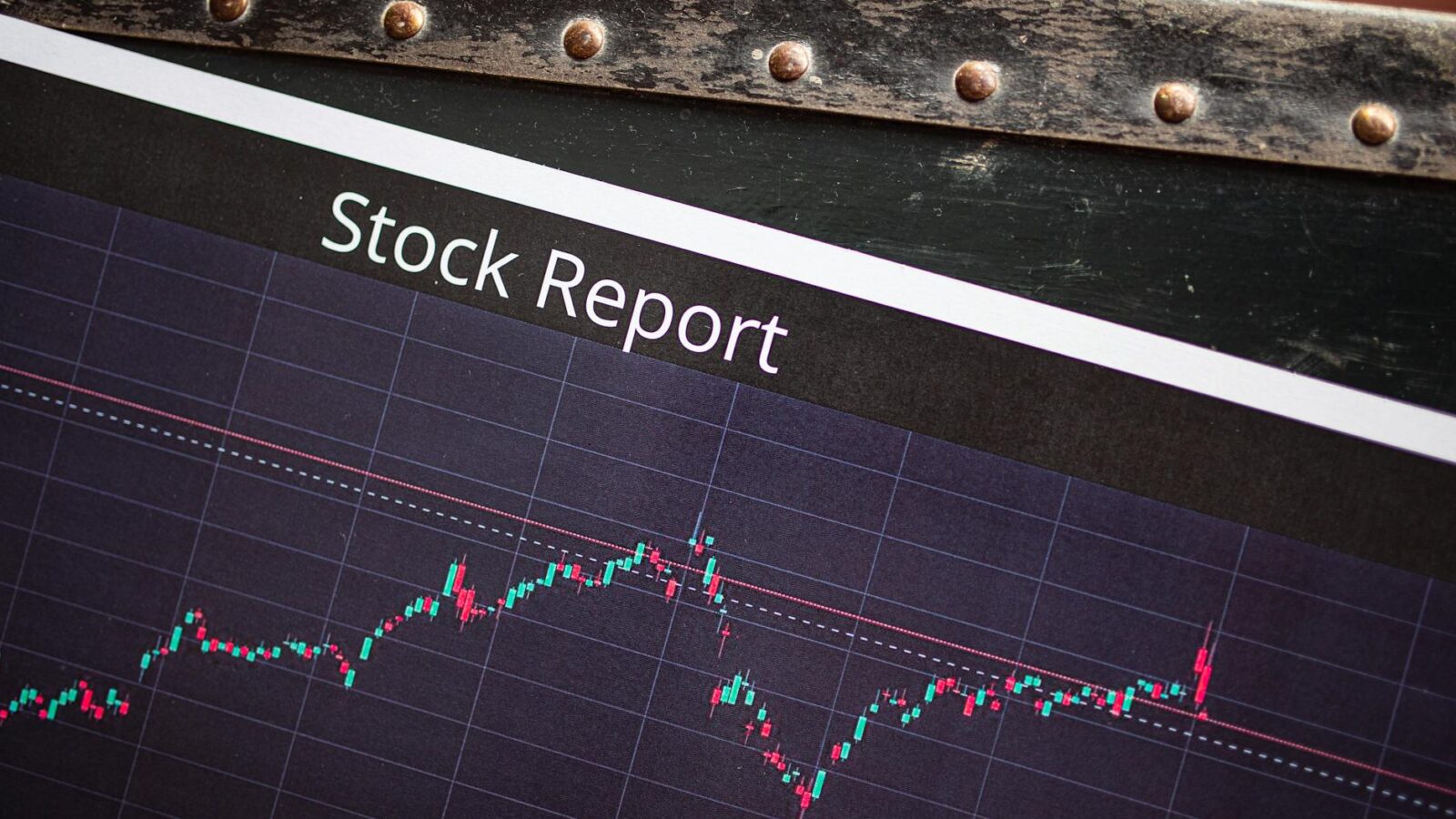
In a significant development, recent discussions aimed at resuming negotiations between Washington and Tehran faltered once again, leading to the conclusion of these talks in Pakistan without progress. Following this stalled engagement, Brent crude oil prices surged by more than 2 percent, reflecting market anxiety over potential supply disruptions that could arise in the tense geopolitical climate.
Despite the immediate focus on the price spike, a deeper analysis reveals that these stalled talks may have far-reaching consequences that extend beyond the realm of oil markets. As Gulf states, particularly those in the Gulf Cooperation Council, reevaluate their strategic alignments, the potential for a significant shift in global energy alliances looms large. The longstanding reliance of these states on U.S. influence is showing signs of strain, indicative of a broader quest for diversification in their energy partnerships.
This inclination towards redefining relationships is not merely a reaction to recent events; it is part of a historical trend reminiscent of the oil crises of the 1970s, when producers began questioning the conventional wisdom of dependence on Western markets. Current dynamics suggest a similar recalibration, as Gulf states seek to mitigate vulnerabilities tied to their energy exports and geopolitical stances.
Between the Lines
Mainstream narratives often emphasize the immediate implications of rising oil prices but overlook the underlying strategic motivations driving the Gulf states’ actions. The rhetoric surrounding U.S.-Iran relations frequently masks the reality that several Gulf nations may already be exploring partnerships with non-Western powers, including Russia and China. These alternative alliances could serve not only to hedge against U.S. hegemony but also to elevate their bargaining positions in the global energy framework.
Moreover, the silence from key players regarding the future of U.S.-Iran relations is telling. There is a conspicuous lack of public discourse on the implications of continued diplomatic impasse. This absence of dialogue among regional actors hints at an undercurrent of urgency; each delay in negotiations may accelerate the Gulf states’ pivot away from traditional U.S. alliances.
After the Headline
Looking forward, market watchers should be attuned to several indicators that may signal a realignment of energy politics. Key dates to monitor include any upcoming summits among Gulf states and potential agreements with countries outside the U.S. sphere by the end of 2025. Experts suggest that by Q4 2025, at least three Gulf states are likely to announce new energy partnerships explicitly aimed at diversifying their markets away from traditional Western ties.
These developments will be measurable through international energy agreements or joint ventures that emerge as significant indicators of changing geopolitical alliances. The emerging evidence could redefine the contours of energy dependence, altering assumptions held for decades and reshaping relationships among oil-producing nations.
TIMES Take: The failure of U.S.-Iran talks is not merely an impasse but a catalyst for Gulf states to rethink their energy partnerships. As they seek to break away from exclusive reliance on U.S. influence, the global energy landscape stands on the cusp of profound transformation.