Before the Headline
The landscape of digital surveillance has shifted dramatically in recent years, particularly as law enforcement agencies have increasingly sought new tools to combat crime. Among these tools are geofence warrants, a relatively recent innovation that allows police to obtain location data from a range of devices in a specified geographic area during a set timeframe. This legal development is reminiscent of earlier controversies surrounding wiretapping and the evolution of the Fourth Amendment, which has long sought to balance public safety with individual rights.
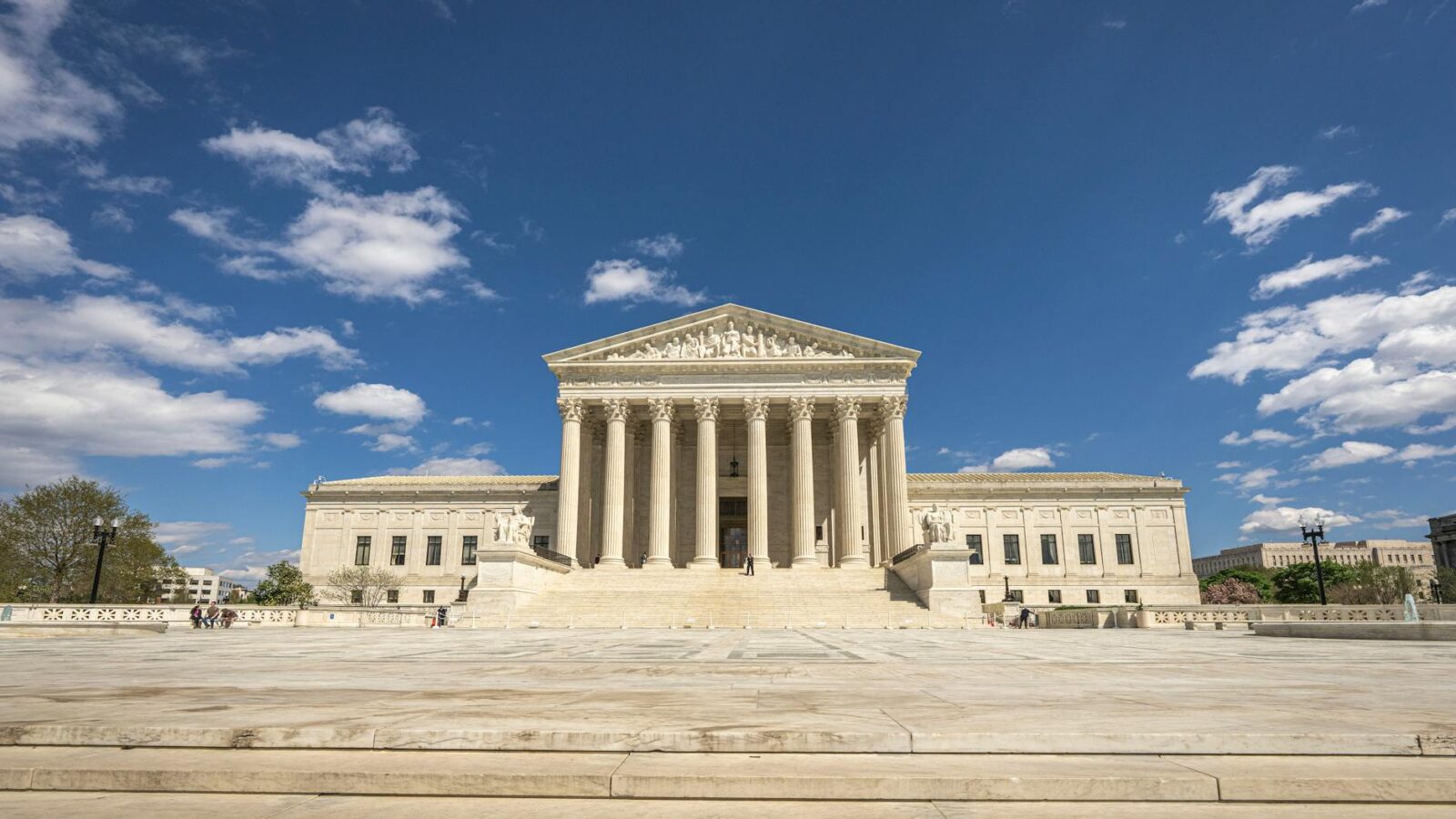
On Monday, the U.S. Supreme Court will hear oral arguments in a pivotal case that could determine the constitutionality of such geofence warrants. At the heart of the debate is whether the data acquired through these warrants constitutes an unreasonable search under the Fourth Amendment. As the Court deliberates, the implications of its decision could ripple far beyond the courtroom, affecting the very nature of digital privacy in America.
Geofence warrants allow law enforcement to access the location histories of individuals within a defined area, often without specificity to any particular suspect. This practice raises profound questions about the erosion of civil liberties and privacy rights, drawing parallels to historical instances where governmental overreach led to public outcry. The chilling effect on free expression is already palpable, as individuals may think twice before expressing dissent or participating in protests, knowing their movements could be tracked and scrutinized.
Between the Lines
While mainstream media has scrutinized the legality of geofence warrants, it has largely overlooked the potential for misuse and the broader implications for civil liberties. The possibility that law enforcement could amass vast amounts of personal data raises concerns about how this information might be used. The absence of robust safeguards and oversight mechanisms could lead to an environment where privacy is compromised in the name of public safety, creating a dangerous precedent for future surveillance practices.
Furthermore, the silence from lawmakers regarding regulations on geofence warrants is telling. As the judicial branch grapples with this issue, the legislative branch has remained conspicuously absent from discussions on the oversight of emerging surveillance technologies. This lack of engagement could signal a broader indifference to the erosion of privacy rights, leaving the balance of power too heavily skewed in favor of enforcement agencies.
After the Headline
As we look toward the Court’s ruling, several scenarios warrant close monitoring. If the Supreme Court rules in favor of geofence warrants, we may see a significant increase in their adoption by law enforcement—an estimated 30% by the end of Q4 2025, with a potential rise in digital surveillance cases documented at 25% within the year following the ruling. Key dates to keep in mind include the Court’s decision, which is expected in mid-2024, and subsequent annual reports on law enforcement transparency that will reveal the actual impact of this ruling.
The implications of this case will resonate well beyond the immediate legal realm, affecting daily lives and civil liberties across the nation. As the precedent is set, American citizens could find themselves increasingly surveilled in a manner that erodes their rights and freedoms. The stakes could not be higher, and the echoes of this decision will be felt for years to come.
TIMES Take: The Supreme Court’s forthcoming decision on geofence warrants may well be a defining moment for digital privacy rights in America—one that could either safeguard civil liberties or pave the way for unprecedented surveillance. In the battle for personal privacy, the stakes are no longer theoretical; they are the fabric of our democratic society.