Before the Headline
In 2006, The Devil Wears Prada offered an incisive glimpse into the fashion industry, depicting the fierce relationship between aspiring creatives and powerful gatekeepers like Miranda Priestly. This cinematic lens captured the essence of a world dominated by print editors who wielded influence, dictating trends from glossy pages, while fashion-forward voices clamored for recognition. Fast forward to today, and the sequel reveals a starkly different landscape—one where digital influencers and direct-to-consumer strategies are not only reshaping consumer engagement but redefining the very fabric of the fashion industry.
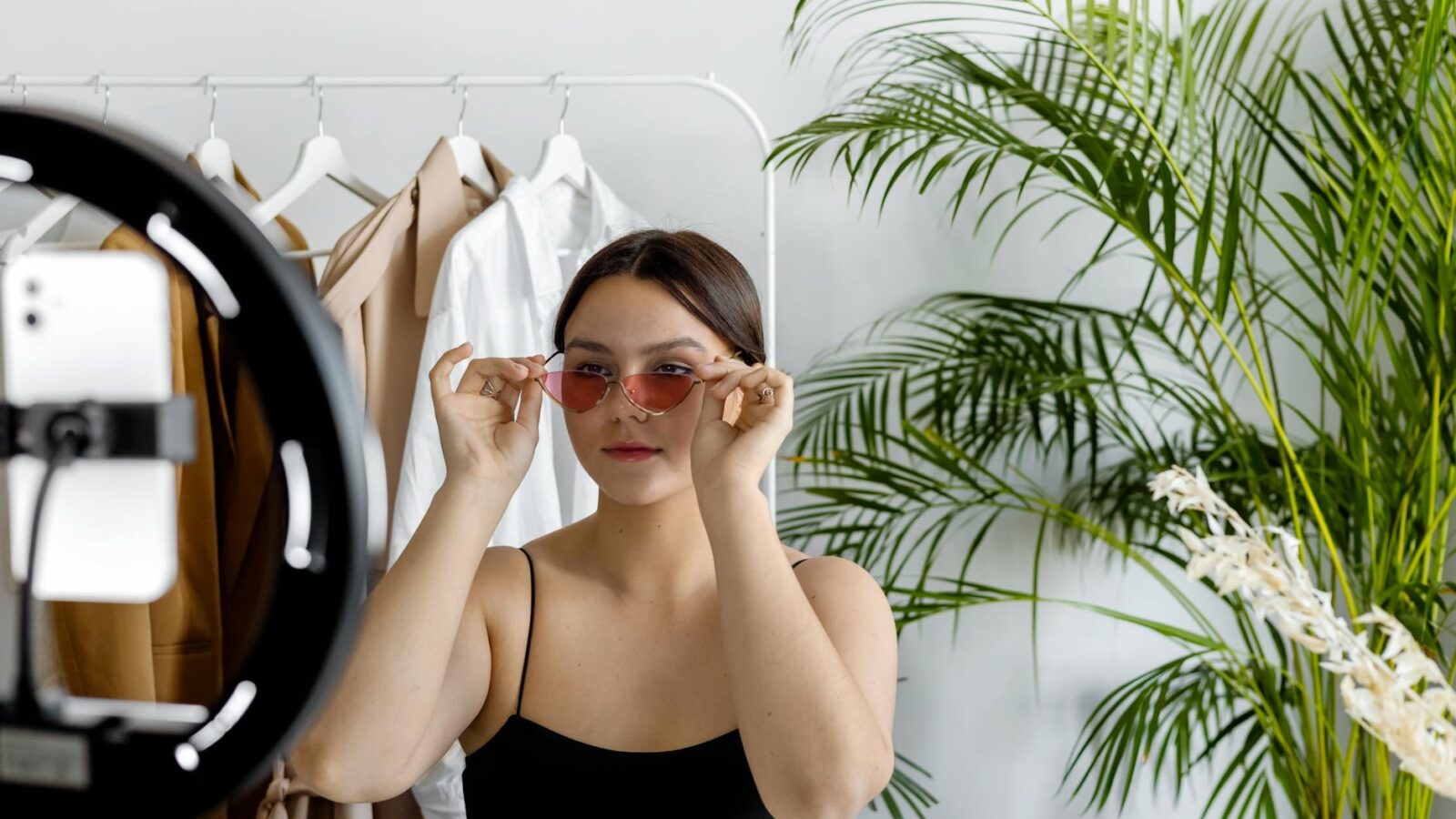
The long-awaited follow-up, now titled The Devil Wears Prada 2, illustrates a striking transition within the fashion realm where luxury brands have shifted their focus from traditional magazine editorial powerhouses to their own digital platforms. In a world increasingly inundated by the quicksilver nature of social media, the sequel is less a nostalgia trip and more an acknowledgment of a revolution whose effects ripple far beyond the screen.
This film reflects a pivotal moment—one akin to the 1970s emergence of punk as a counterculture movement against bloated corporate rock. Just as punk musicians liberated the sound, so too do today’s fashion creatives dismantle the structures that once defined the industry. What we witness in The Devil Wears Prada 2 is not merely a story of fashion; it is a narrative encapsulating the democratization of style itself, where the power once reserved for magazine editors is now distributed among influencers and savvy consumers. Traditional pathways to influence have given way to a diverse and dynamic digital landscape, compelling brands to rethink their marketing strategies in profound ways.
Between the Lines
While much of the media rejoices in the nostalgic value of The Devil Wears Prada 2, they largely overlook the implications of this shift. The film signifies a broader trend—the fading authority of magazine editors who once acted as the gatekeepers of luxury, now overshadowed by a new breed of tastemakers who utilize social media as their canvas. This transformation reflects a contradiction that resonates with the zeitgeist: the more accessible fashion becomes, the more elusive its authenticity appears. Underneath the glitzy surface lies a tension between genuine creativity and the calculated branding that now dominates fashion discourse.
This seismic shift is further exacerbated by the silence surrounding issues of representation and accessibility. The film invites examination not only of who now dictates trends but also of who gets to participate in this fashion dialogue. With the power dynamics changing, minority voices and emerging designers often find themselves at the margins of a lucrative industry redefining its values. The question remains: Will these new platforms truly diversify voices, or merely replicate existing hierarchies under the guise of innovation?
After the Headline
Looking ahead, the implications of The Devil Wears Prada 2 reach far beyond cinematic entertainment, providing fateful indicators for the fashion industry’s trajectory. By Q1 2025, industry reports predict that at least 30% of major fashion brands will allocate more than 25% of their marketing budgets to direct-to-consumer initiatives, underscoring a movement away from reliance on traditional print media. These changes signal a commitment to fostering direct consumer relationships, a shift that may permanently alter the landscape of fashion marketing.
As the industry continues to evolve, key dates to watch include the forthcoming fashion weeks, where brands will showcase their increasingly digital-centric strategies and reveal the extent of their departures from traditional media. Will these changes lead to a more democratic fashion landscape, or will they instead create new forms of gatekeeping in digital spaces? The answers lie as much in audience engagement as in the innovative strategies of fashion’s new arbiters.
TIMES Take: The era of fashion gatekeepers is fading, and in their place, a new order of digital influence is emerging—one that must balance authenticity with accessibility.