Before the Headline
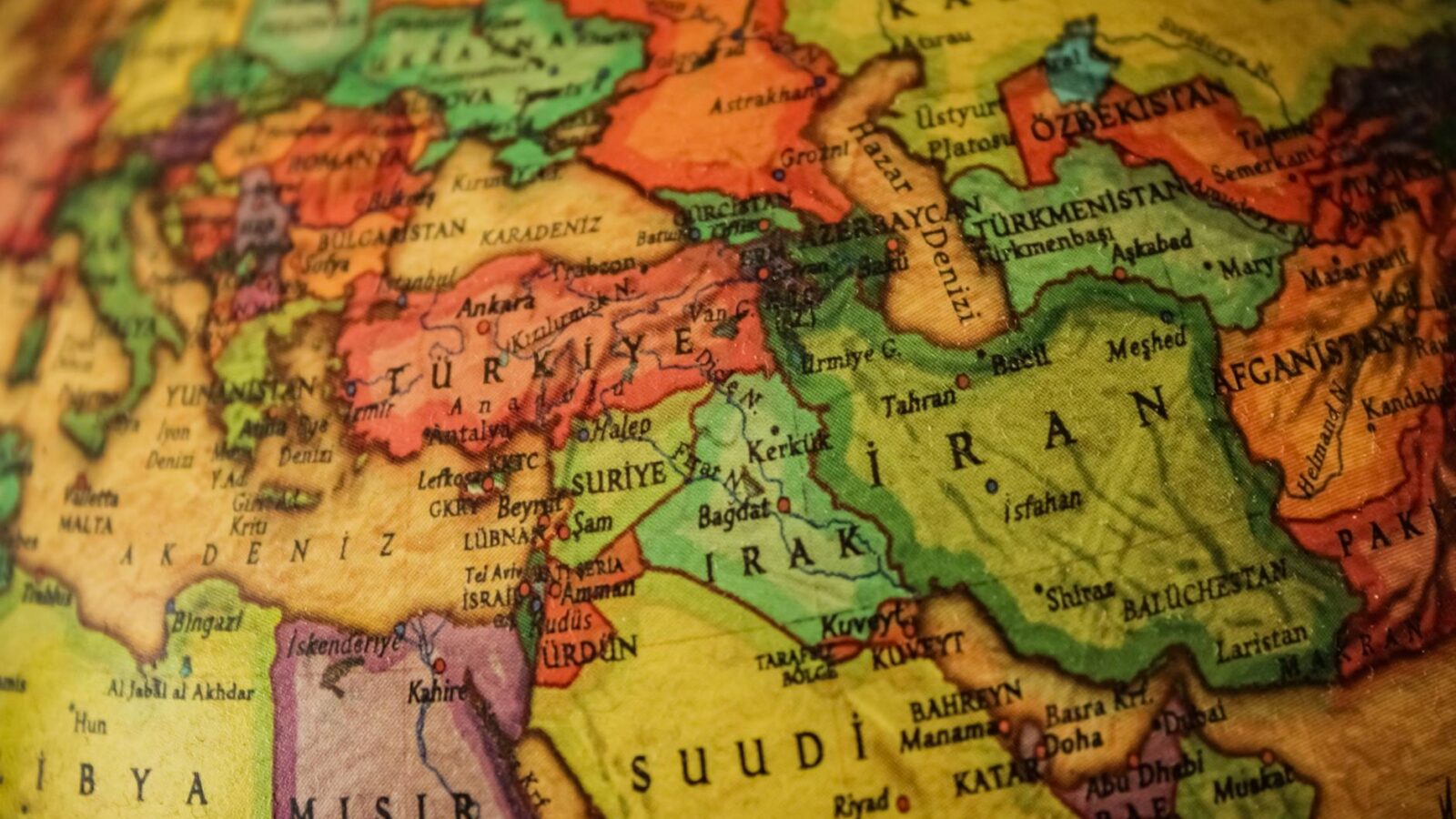
The Iran-Israel conflict, a persistent undercurrent influencing Middle Eastern geopolitics for decades, has seen its latest chapter officially concluded. This war, while framed as a direct confrontation between Tehran and Tel Aviv, has reverberated throughout the Arab world, compelling neighboring states to navigate a labyrinth of security and diplomatic concerns. The historical precedent of proxy conflicts in the region, particularly during and after the Cold War, has instilled a sense of wariness among Arab nations toward the rising threats posed by a nuclear-aspiring Iran and an increasingly assertive Israel.
Official reports confirm that the Iran-Israel war has reached a cessation point, marked by a series of diplomatic agreements that promise to de-escalate tensions. In the wake of this development, relief is palpable across many Arab capitals, yet beneath the surface lies a profound anxiety regarding the implications of this ceasefire for regional security dynamics.
Arab nations, especially those in the Gulf Cooperation Council (GCC), find themselves at a critical juncture. With Israel’s military capabilities expanding and Tehran’s influence still palpable, many regional players are grappling with the reality that their security architecture may need to transform. Similar to the aftermath of the Camp David Accords in 1978, which reshaped the Egyptian-Israeli framework, this new era may compel Arab states to reconsider their alliances and defense strategies to counter a potentially more aggressive Israeli posture in the post-war landscape.
This shifting dynamic might prompt the GCC states to forge new security pacts, not only amongst themselves but also with traditional allies like NATO and the United States. By aligning more closely with Western military structures, these nations could mitigate the perceived threat posed by Israel’s capabilities and ambitions, drawing historical parallels to the pre-2003 Iraq War environment when regional states recalibrated their defense postures against the backdrop of American military might.
Between the Lines
What mainstream narratives often overlook is the ongoing apprehension among Arab leaders regarding the implications of an enhanced Israeli military capability. While public statements emphasize relief over a cessation of hostilities, there is a palpable anxiety that Israel, emboldened by its successes, may pursue a more aggressive regional posture. This is particularly significant considering the historical pattern where military victories have often led to increased territorial and political ambitions, as seen after the 1967 Six-Day War.
Moreover, the silence surrounding the internal debates within Arab states suggests a deeper unease. Notably, there is a lack of public discourse on how these nations will address the regional power vacuum that follows this conflict. The once dominant influence of Iran in Iraq and Syria, now complicated by the Iran-Israel ceasefire, presents a conundrum—how will GCC states adapt their foreign policies to counter both Tehran’s influence and Israel’s newfound assertiveness?
After the Headline
Looking ahead, key indicators will emerge that can signal the geopolitical realignment in the region. By Q2 2025, we should anticipate at least three Gulf Cooperation Council member states formalizing security pacts with NATO or the United States, as they respond to perceived threats from an increasingly bold Israel. Such agreements may be evidenced by joint military exercises or publicly documented defense agreements, echoing the defensive postures seen in historical alliances formed in response to regional instability.
Key dates to watch include the upcoming GCC summit, where discussions surrounding security cooperation are likely to dominate the agenda. Additionally, statements from U.S. officials regarding military partnerships in the region may provide clarity on the emerging security architecture. This context will be crucial as Arab nations navigate their new reality in the aftermath of the Iran-Israel war.
TIMES Take: The cessation of the Iran-Israel war represents more than just an end to hostilities; it is a pivotal moment that may redefine security and diplomatic strategies across the Arab world. As these nations reassess their positions, the potential for new alliances and security arrangements could reshape the geopolitical landscape for years to come.