Before the Headline
The concept of buffer zones in conflict zones is not new; it has been utilized in various forms throughout Middle Eastern conflicts, often with dire humanitarian implications. From the Israeli occupation of Southern Lebanon until 2000 to the ongoing Syrian crisis, such zones have historically been seen as tactical advantages by military forces but have repeatedly come at the expense of civilian lives and sovereignty.
In the most recent incident, Israeli airstrikes have resulted in the deaths of 14 individuals in southern Lebanon, prompting the Israeli Defense Forces (IDF) to issue warnings for residents to evacuate towns beyond a newly established ‘buffer zone.’ This operation follows a series of escalatory exchanges between Israeli and Lebanese forces, highlighting the persistent volatility of this region.
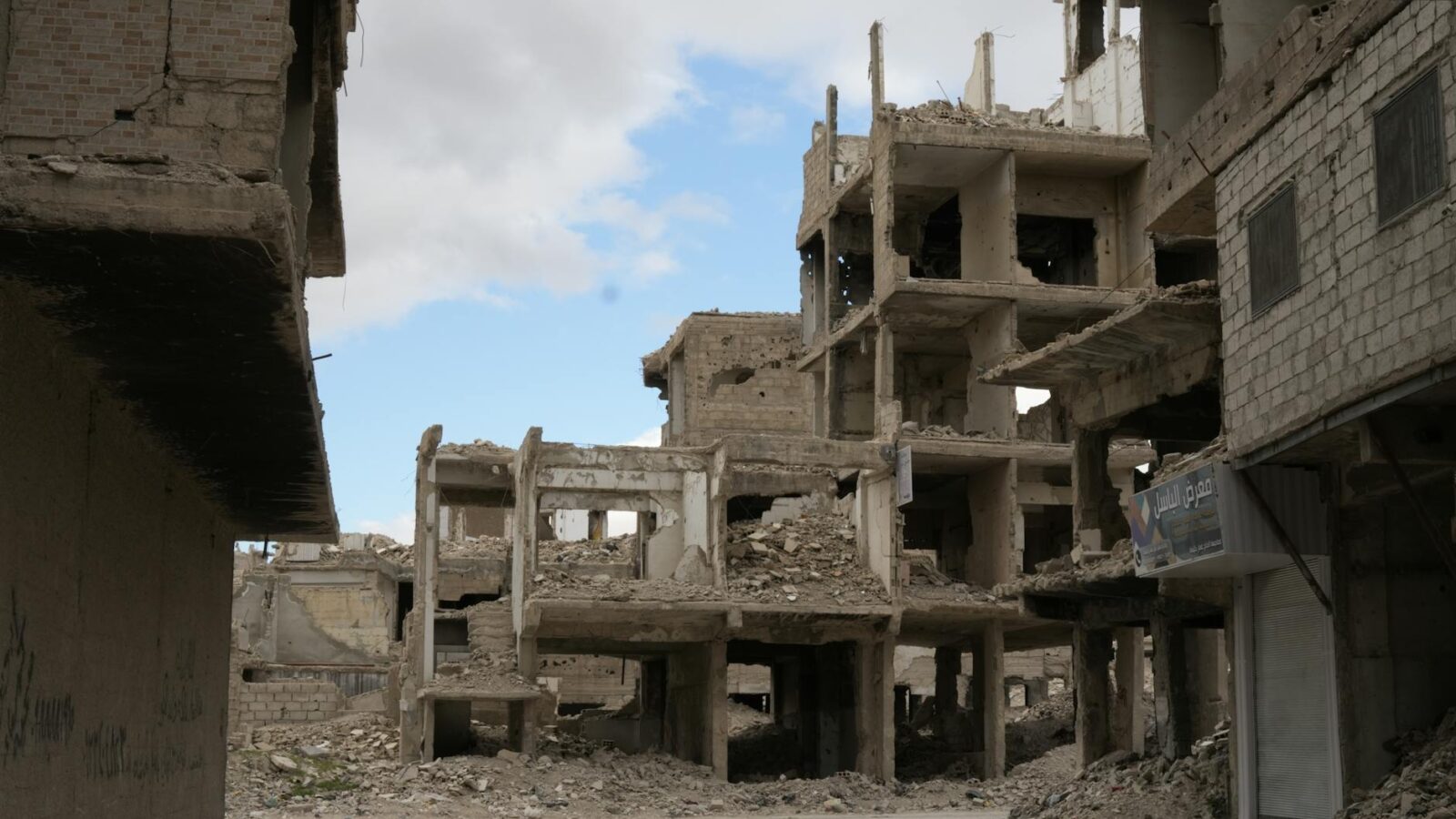
As Israel intensifies its military posture, the implementation of these buffer zones raises questions reminiscent of historical precedents. The insertion of military buffer zones during the Lebanese Civil War and the Israeli occupation period illustrates a pattern where civilian populations bear the brunt of geopolitical maneuvering. The strategic justification for these zones often overshadows the stark reality of displacement and suffering faced by those caught within these boundaries. The recent casualties underscore a sobering truth: military tactics can become the nucleus of a humanitarian crisis.
Between the Lines
While mainstream narratives tend to focus on the immediate violence and military strategies, they often overlook the broader implications for Lebanese sovereignty. The ongoing Israeli airstrikes represent not merely an act of aggression but a calculated decision to assert control over contested regions, thereby undermining the Lebanese state’s authority. The quiet assertion of power through military means poses a long-term threat to Lebanon’s national integrity and the safety of its citizens.
Additionally, the apparent silence from international actors regarding the humanitarian fallout from these airstrikes raises important questions about accountability. With the United Nations and various NGOs monitoring refugee situations and civilian casualties, the lack of immediate action or vocal condemnation from major world powers signals a troubling indifference towards the suffering of Lebanese civilians. By failing to address these humanitarian needs, the international community may inadvertently facilitate further destabilization.
After the Headline
In the coming months, observers should watch for key indicators of escalation, particularly as humanitarian conditions deteriorate in Lebanon. Heightened military activity is predicted, with the potential for increased civilian displacement. By Q3 2025, we may see a documented rise of at least 20% in refugee numbers compared to Q3 2023, as people flee regions affected by ongoing conflicts and the Israeli buffer zone. This could strain Lebanon’s already fragile humanitarian resources and prompt urgent diplomatic responses from regional powers and international bodies alike.
Indicators to monitor will include refugee statistics reported by UNHCR, upcoming international meetings concerning Middle Eastern stability, and statements from Lebanese officials regarding national security and civilian protection. The forecast for Lebanon suggests a challenging landscape, marked by escalating tensions and exacerbated humanitarian crises as conflict dynamics continue to evolve.
TIMES Take: The tragic loss of life in Lebanon serves as a stark reminder that in the theater of military strategy, it is often the most vulnerable who pay the highest price. As the region grapples with the implications of buffer zones, it is crucial to advocate for both sovereignty and dignity for all affected by these decisions.