Before the Headline
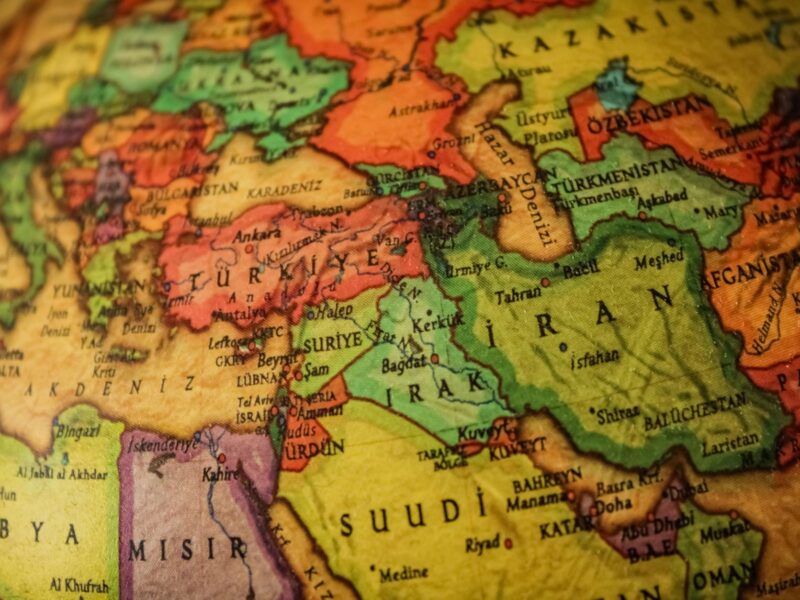
The decision by the United Arab Emirates (UAE) to exit OPEC on May 1, 2024, marks a notable departure from decades of collective oil diplomacy that has defined the Gulf region. Historically, OPEC has been a cornerstone for member nations, fostering an environment of cooperation, particularly during crises like the oil embargo of the 1970s. However, the UAE’s recent announcement suggests a recalibration of priorities as it seeks autonomy amid the current geopolitical and energy landscape, primarily influenced by the ongoing US-Israel-Iran tensions.
The UAE has officially notified its intent to leave OPEC, aiming to focus on boosting domestic oil production without the constraints imposed by collective quotas. This move comes in the context of broader regional shifts, where Gulf nations are increasingly considering their national interests in energy production amidst a backdrop of international pressure and economic recalibration.
This decision, while seemingly an economic choice, signals a significant geopolitical shift. The UAE’s move reflects a desire for greater autonomy in energy production, suggesting a pivot towards alliances that prioritize national sovereignty over traditional partnerships. As the UAE aligns itself with nations like Saudi Arabia and Qatar for regional cooperation, it may also seek to strengthen ties with non-OPEC partners, enhancing its own energy security. The implications are profound: not only does this departure indicate the UAE’s commitment to unilateral energy policies, but it could also presage a broader trend among Gulf nations prioritizing national interests over collective agreements, potentially reshaping the dynamics of global oil markets.
What We Know
- The UAE will officially leave OPEC on May 1, 2024.
- The decision is influenced by the ongoing geopolitical landscape, particularly the US-Israel-Iran conflict.
- The UAE aims to increase its domestic oil production without OPEC production quotas.
- This move may foreshadow a trend of Gulf Cooperation Council (GCC) countries prioritizing national energy interests.
- The UAE’s departure may decrease OPEC’s collective output by 15% by the end of Q3 2025.
What We Don’t Know Yet
- What specific production goals the UAE aims to achieve post-OPEC exit.
- How other GCC nations will respond to the UAE’s departure and whether they will follow suit.
- The long-term impact on global oil prices and OPEC’s influence in the energy market.
Between the Lines
While mainstream coverage may frame the UAE’s exit as primarily an economic strategy, it misses the broader geopolitical implications tied to the nation’s shifting allegiances. The departure suggests a recalibration of power dynamics within the GCC, potentially fracturing the longstanding unity that has characterized OPEC’s operations. The UAE’s move could inspire other Gulf states to reassess their commitments to OPEC amid increasing pressure to lean towards more autonomous, nationally-focused energy policies.
Moreover, there is a palpable silence from OPEC leaders regarding any retaliatory measures or public statements about the UAE’s departure. This silence could indicate an underlying fragility within the organization, suggesting that the cohesion once deemed essential is now threatened by individual member states prioritizing their national interests over collective agreements.
What This Means for You
For investors: This shift could create volatility in oil markets, requiring vigilance in portfolio adjustments. For commuters: Higher oil prices may soon reflect this disarray in the energy sector, impacting gas prices at the pump. For energy sector workers: A potential shift in job dynamics as companies adapt to a more competitive, less regulated production environment could lead to changes in workforce needs.
After the Headline
Looking ahead, key indicators to watch will include OPEC’s official production reports, which will provide insights into how the departure affects collective output levels. Additionally, any announcements from other GCC countries regarding their production strategies could signal a broader trend of exits, with the oracle prediction suggesting that by the end of Q3 2025, at least three additional GCC nations will either reduce their OPEC quotas or exit the organization entirely. This would reflect a significant pivot towards national interests in energy management.
TIMES Take: The UAE’s exit from OPEC is not just an economic maneuver; it is a harbinger of a new geopolitical reality in the Gulf, where autonomy and national interests may soon eclipse traditional alliances.