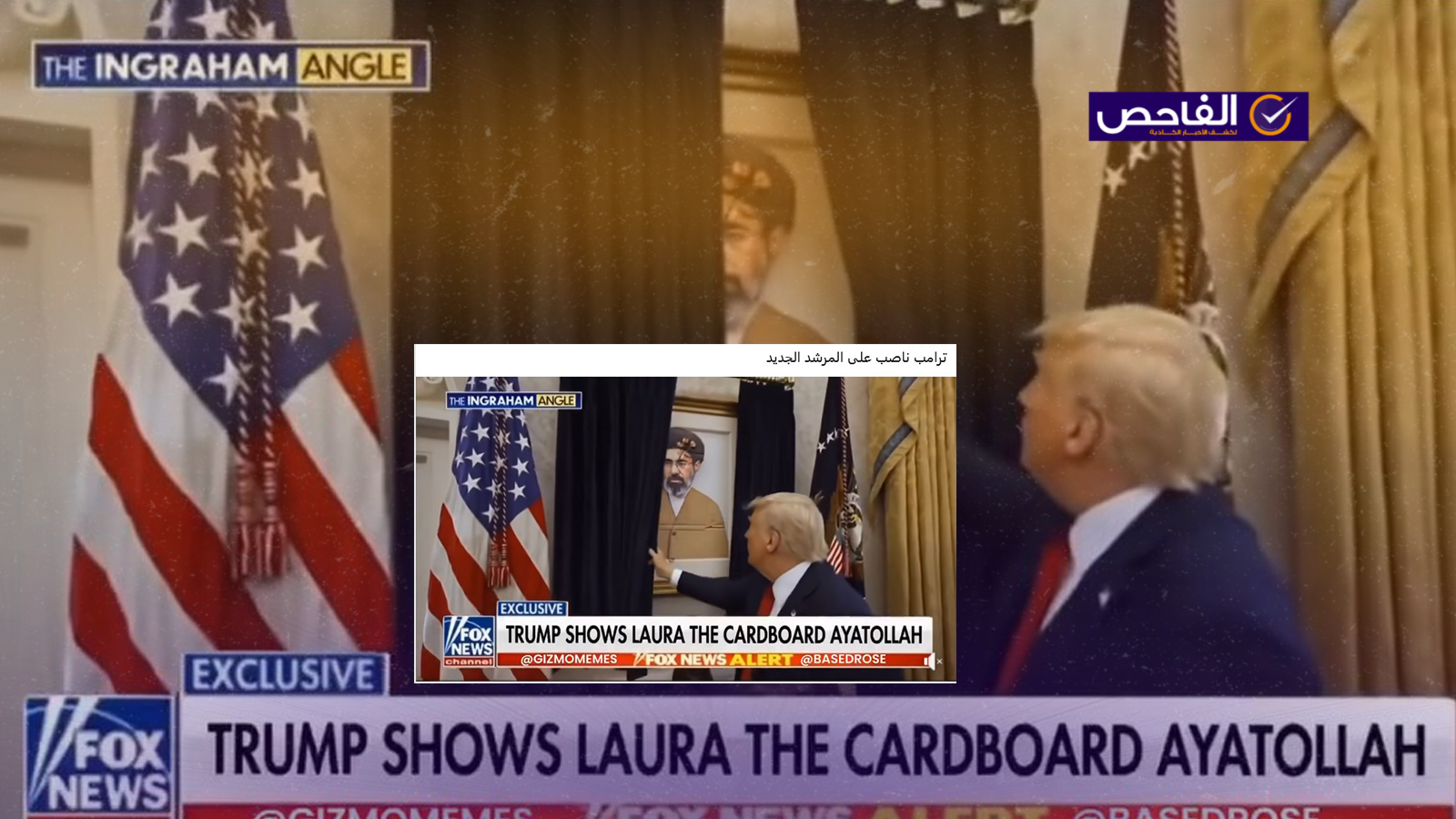
The Islamic Republic of Iran operates under a veil of deliberate opacity, a characteristic that has intensified in recent months. Whispers in corridors of power, both in Tehran and across global capitals, suggest a significant leadership vacuum. Supreme Leader Ali Khamenei, long the ultimate authority, appears increasingly frail, while President Ebrahim Raisi, his presumed successor, remains a figure shrouded in ambiguity, his public appearances carefully curated. This strategic silence is not merely a matter of protocol; it is a potent political weapon, designed to project an image of unwavering control even as internal succession battles and external pressures mount.
The reality on the ground is far more complex. While Khamenei holds the final say, a shadow power structure, deeply entrenched within the Islamic Revolutionary Guard Corps (IRGC) and its affiliated economic and intelligence networks, appears to be consolidating influence. Figures within this apparatus, often operating behind the scenes, are increasingly seen as the true arbiters of policy, from regional proxy conflicts to the nation’s nuclear ambitions. This diffusion of power, or perhaps a deliberate concentration within unelected factions, creates immense uncertainty for international observers and negotiators. Who speaks for Iran? Who commits it to agreements, and who can guarantee their adherence?
The implications for global stability are profound. Without a clear, singular decision-maker, the risk of miscalculation increases exponentially. A hardline faction within the IRGC, feeling cornered by sanctions and internal dissent, could opt for aggressive external actions to rally nationalistic fervor or distract from domestic woes. Conversely, a more pragmatic element might seek de-escalation, but find itself stymied by hardline opposition. The global chess match involving Iran’s nuclear program, its support for regional proxies, and its complex relationship with major powers is being played on an increasingly unpredictable board.
Looking ahead five to ten years, this internal power struggle could define Iran’s geopolitical posture. Will the IRGC’s influence solidify, leading to continued regional confrontation and a defiant stance against the West? Or will a more moderate, albeit still theocratic, leadership eventually emerge, potentially opening avenues for diplomatic engagement? The winners in this scenario could be hardline ideologues and state-controlled enterprises, while the losers might be the Iranian populace, yearning for economic relief and greater freedoms, and global powers seeking a stable, predictable Iran.
Scenario 1: IRGC Consolidation (60% probability) — The IRGC tightens its grip, increasing regional assertiveness and maintaining a hardline stance on the nuclear program. This leads to prolonged sanctions and heightened tensions.
Scenario 2: Succession Stalemate (25% probability) — Khamenei’s decline leads to infighting among various factions, paralyzing decision-making and creating opportunities for external interference or unexpected policy shifts.
Scenario 3: Pragmatic Shift (15% probability) — A consensus emerges among key power brokers for a more measured approach, leading to incremental de-escalation and potential diplomatic breakthroughs.
💬 Join the Debate
With the ultimate decision-makers in Iran operating in the shadows, how can the international community effectively engage with a state whose leadership structure is a carefully guarded secret?