Before the Headline
The long path to European Union membership for Bosnia and Herzegovina has been marred by a complex interplay of regional politics, ethnic tensions, and external influences. Since the end of the Bosnian War in 1995, efforts to forge a cohesive state have been fraught with obstacles, not least the influence of foreign powers with vested interests. Recently, a U.S.-backed gas pipeline project has emerged as a linchpin in this geopolitical chess game, aiming to reduce Bosnia’s dependence on Russian energy supplies, a challenge that resonates with the broader European goal of energy diversification.
The deal, which positions Bosnia as a critical transit route for gas from the East to the West, has garnered support from certain factions within the region while drawing criticism from others. Detractors fear that while it may address energy needs, the implications for governance and corruption could undermine Bosnia’s aspirations for EU integration.
Historical parallels can be drawn to other post-conflict societies, where foreign investments often arrived with layers of bureaucracy and corruption rather than reform. The pipeline, although potentially beneficial, raises the specter of enriching entrenched elites and exacerbating the very issues the EU has sought to remedy since engaging with Bosnia. Observers note that the stakes are particularly high given the country’s fragile democratic institutions, which are already struggling against a backdrop of pervasive corruption and political patronage.
What We Know
- A U.S.-backed gas pipeline deal aims to reduce Bosnia’s reliance on Russian energy sources.
- The project has the support of certain Bosnian political leaders but raises concerns about governance.
- There is a well-documented history of corruption linked to energy deals in the region.
- The EU has conditioned membership on extensive reforms, including anti-corruption measures.
- By Q2 2025, civil society organizations are expected to report an increase in corruption incidents related to this deal.
What We Don’t Know Yet
- How will specific public sentiment in Bosnia evolve in response to the pipeline deal?
- What measures will the EU take if corruption increases and democratic reforms stall?
- Which local leaders will ultimately benefit from the pipeline project, and how will that affect political alignments?
Between the Lines
<pWhile mainstream narratives emphasize the geopolitical dynamics, they often overlook local sentiments that highlight a growing unease among Bosnians regarding potential corruption. Many citizens fear that the gas pipeline's backing by Trump associates could open the floodgates to a new wave of patronage, where political favors replace genuine reforms. This apprehension suggests a disconnect between external expectations and internal realities, a theme that resonates with historical precedents when foreign interventions have led to unintended consequences.
<pFurthermore, the irony of seeking energy independence while potentially straying from democratic governance is not lost on the populace. While the U.S. aims to bolster energy security in Europe, the danger lies in creating a dependency on a different set of oligarchs, raising questions about the long-term implications for Bosnia's civil society and democratic integrity.
What This Means for You
For investors: The pipeline deal may present opportunities but carries risks linked to potential corruption. For commuters: Changes in energy sourcing could impact fuel prices and availability in the region. For civil society activists: Increased scrutiny and potential backlash against corruption-linked incidents will be crucial in protecting democratic reforms.
After the Headline
As we look towards the future, key indicators to monitor include changes in public opinion regarding government trust, particularly in response to corruption claims linked to the pipeline. By Q2 2025, reports from civil society organizations are likely to reveal the first signs of deteriorating public trust, with projections indicating a decline of at least 15%. This will further complicate Bosnia’s EU accession strategy and may prompt a renewed focus from Brussels on the integrity of local governance.
Moreover, European officials will be watching closely for any signs that the Bosnian government is genuinely committed to necessary reforms. Should the pipeline deal prove to be a double-edged sword, the balance between energy independence and democratic integrity will be a crucial narrative to follow in Bosnia’s ongoing journey.
TIMES Take: The pipeline presents a compelling test of Bosnia’s commitment to reform; the real challenge will be balancing external energy needs with internal governance. In this delicate dance, the specter of corruption looms large, echoing the lessons from past failures.
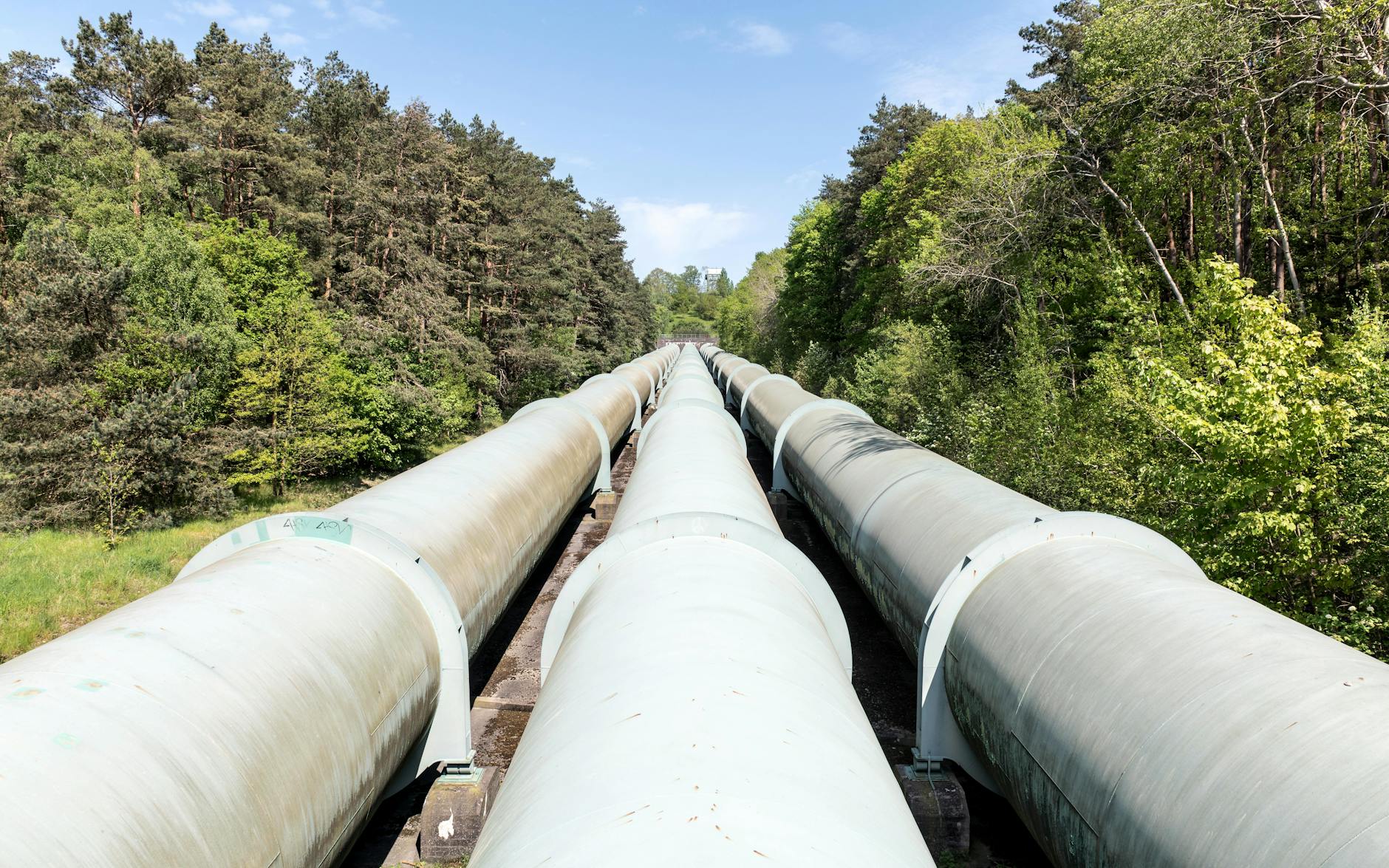
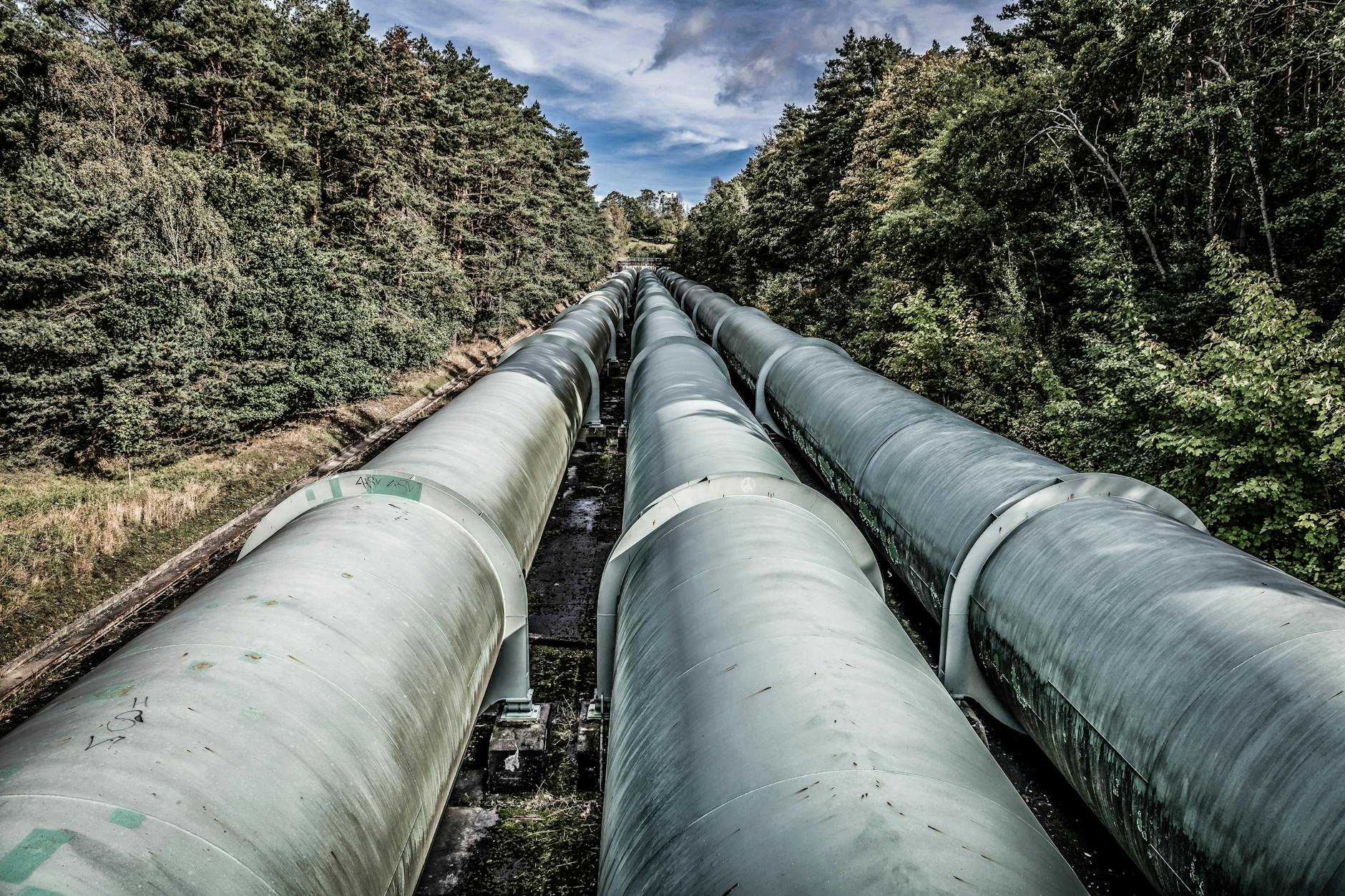
Image Analysis
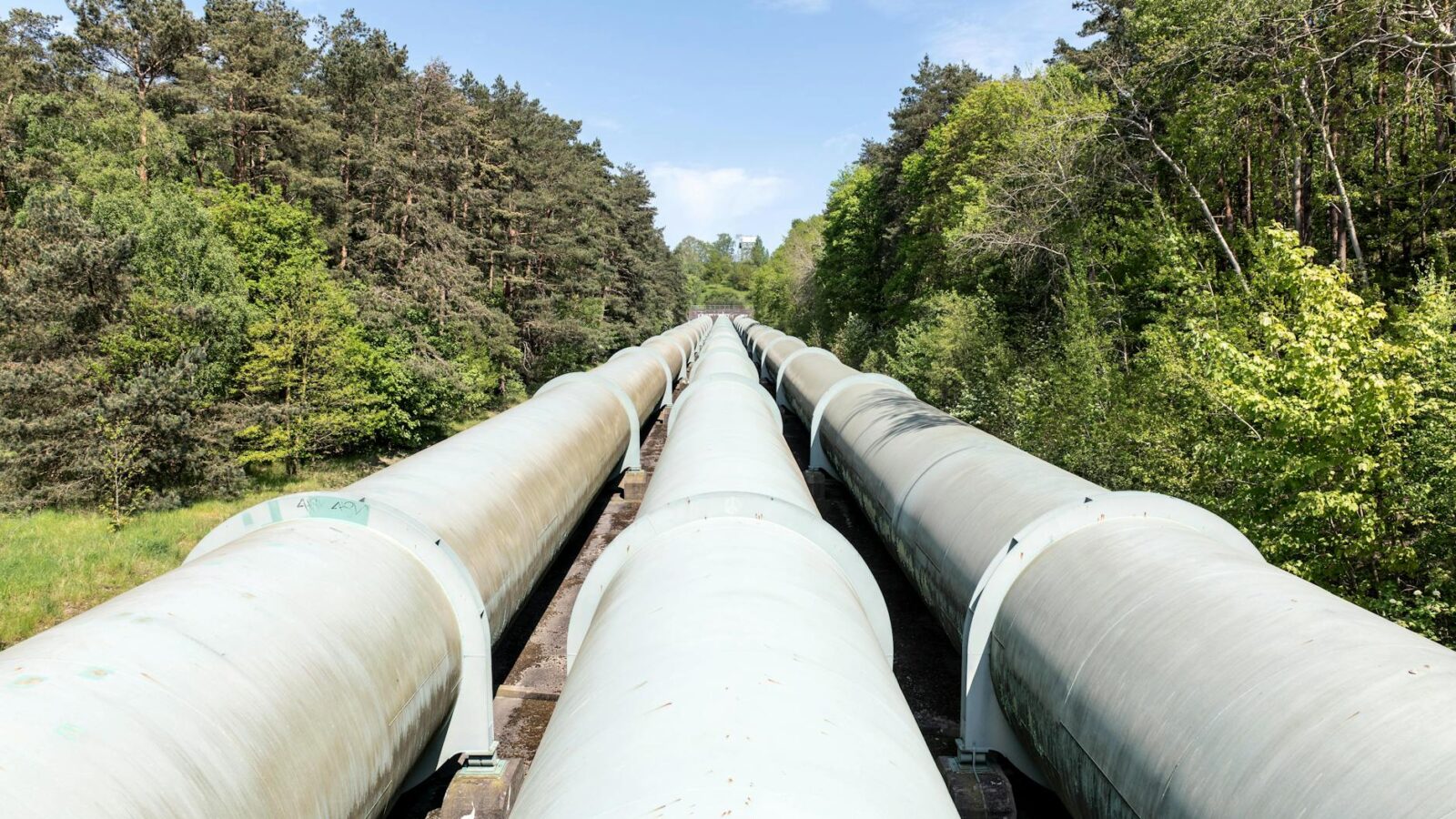
The image of sprawling pipelines cutting through a lush, green landscape serves as a potent metaphor for Bosnia’s complex relationship with energy and environmental concerns amid its pursuit of EU membership. The contrast between the industrial structures and the surrounding nature highlights the tension between progress and preservation. Readers might overlook the subtle decay on the pipes, symbolizing potential neglect and corruption fears that plague Bosnia's governance. This visual representation underscores the critical role of energy infrastructure in the country’s EU aspirations, intertwining economic growth with issues of transparency and sustainability.