Before the Headline
As the world grapples with the ramifications of dwindling fossil fuel reserves and the urgent need for climate action, the Gulf states have historically leaned heavily on their oil revenues. For decades, OPEC has served as a powerful cartel, dictating production levels to maximize profits among its members. However, tensions have risen in recent years, particularly as some Gulf nations have signaled a shift towards energy independence and sustainability, diverging from the traditional OPEC framework.
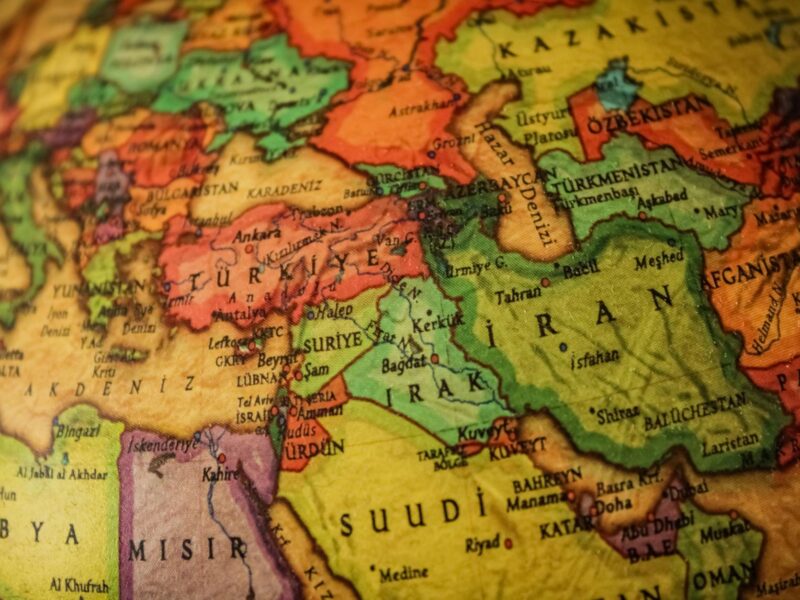
In a significant development, the United Arab Emirates (UAE) is reported to be exiting the Organization of the Petroleum Exporting Countries (OPEC). This move is not merely a reaction to geopolitical strains but appears to herald a broader shift within the Gulf’s energy paradigm.
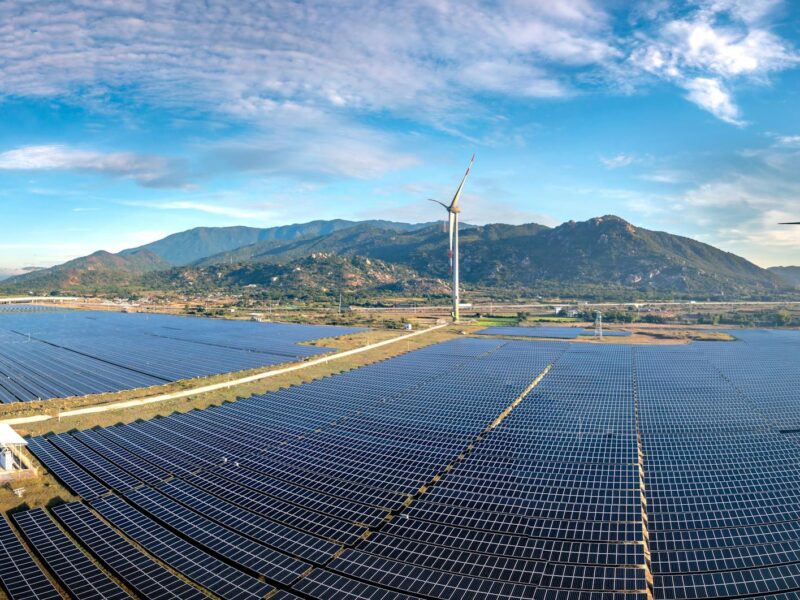
The UAE’s withdrawal from OPEC reflects its determination to pursue a more autonomous energy policy, aligning with the country’s Vision 2021 strategy that emphasizes diversification and sustainability. By increasing domestic energy production and investing in renewable technologies, the UAE is setting the stage to reshape its economic foundation. Given this context, the decision could inspire neighboring states in the Gulf Cooperation Council (GCC) to reassess their own commitments to OPEC, potentially igniting a regional trend towards energy independence.
Moreover, this transition signals a shift in the global energy narrative, where sustainability takes precedence over traditional production quotas. As the UAE leads the charge, this could inspire similar proclamations from other GCC states. The potential ripple effects are significant, suggesting that by Q4 2025, at least two more nations within the GCC might follow suit, announcing reductions in their OPEC commitments as they prioritize renewable energy investments.
What We Know
- The UAE is set to exit OPEC, marking a notable shift in its energy policy.
- This decision aligns with the UAE’s Vision 2021 strategy, emphasizing economic diversification and sustainability.
- The move may encourage other GCC states to reevaluate their membership in OPEC.
What We Don’t Know Yet
- Which specific GCC member states might follow the UAE’s lead in exiting OPEC?
- How will this shift impact global oil prices and production levels in the short term?
Between the Lines
While mainstream outlets often frame the UAE’s exit as a reaction to geopolitical tensions, they underreport the underlying motivations of energy independence and sustainability at play. The UAE’s departure could signify a broader awakening among Gulf states, potentially fracturing the unity that OPEC has maintained for decades.
Moreover, there is an implicit contradiction in the actions of these nations, which are traditionally reliant on oil revenues yet increasingly vocal about their commitment to environmental sustainability. This juxtaposition may reveal deeper tensions in balancing economic imperatives against ecological responsibilities, something mainstream narratives often overlook.
What This Means for You
For investors: This decision may signal a shift towards more favorable conditions for renewable energy investments in the Gulf. For commuters: Changes in oil production may impact fuel prices, potentially leading to higher costs at the pump. For energy analysts: A reevaluation of OPEC dynamics could reshape forecasting models for oil supply and demand.
After the Headline
Moving forward, observers will want to monitor public statements from other GCC nations regarding their OPEC commitments, particularly as domestic energy demands rise. Key indicators to watch will include announcements of new renewable energy projects and shifts in oil production targets from neighboring states.
TIMES Take: The UAE’s exit from OPEC is not merely a departure; it is a declaration of independence in energy policy that could resonate throughout the Gulf. As the sands of time shift, we may soon witness a new landscape in global energy dynamics.