Before the Headline
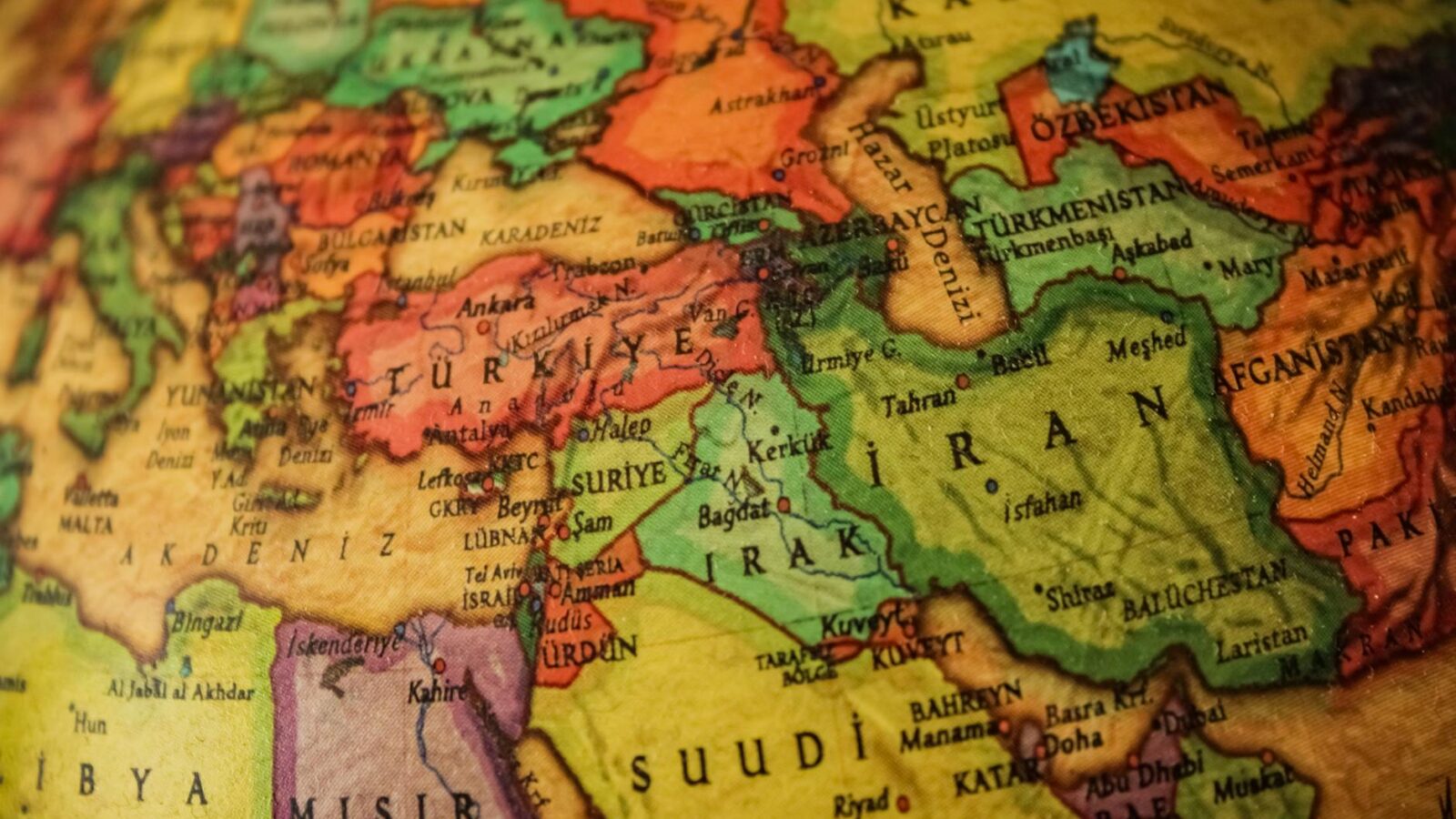
The Iran-Israel conflict has been a central axis of tension in the Middle East for decades, impacting regional stability and influencing the policies of Arab states. With Iran’s influence often seen as a direct threat, Israel’s military response has shaped the security landscape since the early days of the Cold War, echoing the enduring legacy of the proxy battles of the last century.
Recently, however, a potential turning point emerged as both nations showed signs of de-escalation, prompting a collective relief across the Arab world. Yet, this newfound calm brings with it a growing concern: what does an unrestrained Israel mean for the balance of power in the region?
While the immediate focus has been on military implications, the implications run deeper. Arab nations, long accustomed to viewing the Iran-Israel rivalry through a polarized lens, may now find themselves confronting a power vacuum in which alliances are questioned and opportunities for new partnerships arise. Historical precedents suggest that periods of de-escalation often lead to unexpected realignments, as seen post-Six-Day War in 1967, when Arab states re-evaluated their positions amidst shifting geopolitical currents.
As we look forward, there is a palpable sense that by Q2 2025, we may witness at least three Arab nations moving beyond traditional alignments to formalize new diplomatic or economic partnerships with Iran. These partnerships could signify a significant departure from entrenched hostilities, emerging as a testament to the changing dynamics of Middle Eastern geopolitics.
What We Know
- The Iran-Israel conflict has reached a de-escalation phase, eliciting relief across the Arab world.
- Arab nations are concerned about the implications of an unrestrained Israel in the region.
- Historical patterns suggest that de-escalation can lead to reconfigurations of power and alliances.
- By Q2 2025, at least three Arab nations may formalize new partnerships with Iran.
What We Don’t Know Yet
- Which specific Arab nations will engage in formal partnerships with Iran?
- What economic or cultural initiatives will emerge from these new partnerships?
- How will Israel respond to the changing regional dynamics and potential Arab-Iranian collaborations?
Between the Lines
While the mainstream discourse has primarily concentrated on military de-escalation, it has overlooked the significant geopolitical shifts now taking shape. The fear of an unrestrained Israel could push Arab nations to forge unexpected alliances with Iran, which stands in stark contrast to traditional narratives that characterize the Middle East as hopelessly polarized.
This emerging reality presents a conundrum for established powers in the region. Countries like Saudi Arabia and the UAE, which have recently normalized relations with Israel, find their foreign policy calculus challenged in the face of potential cooperation between Iran and other Arab states. As they navigate this intricate web of alliances, the silence from some Arab leadership on their future with Israel speaks volumes about their uncertainty.
What This Means for You
For investors: The reconfiguration of alliances could present opportunities in sectors like energy and infrastructure as new partnerships form. For commuters: Changes in regional security dynamics may influence travel patterns and safety perceptions in the Middle East. For diplomats: The next two years will be critical in determining how existing relationships are reshaped and what this means for peace negotiations.
After the Headline
Going forward, key dates to watch include potential diplomatic announcements throughout 2024, as nations assess their stances in a post-conflict environment. The oracle prediction of new partnerships formalizing by Q2 2025 will serve as a critical litmus test for shifting alliances, with official agreements providing the necessary evidence of this geopolitical evolution.
TIMES Take: The de-escalation of the Iran-Israel conflict marks not merely a cessation of hostilities but a pivotal juncture that invites a reevaluation of alliances throughout the Arab world. The potential partnerships that arise could redefine the region in profound and lasting ways.