
Before the Headline
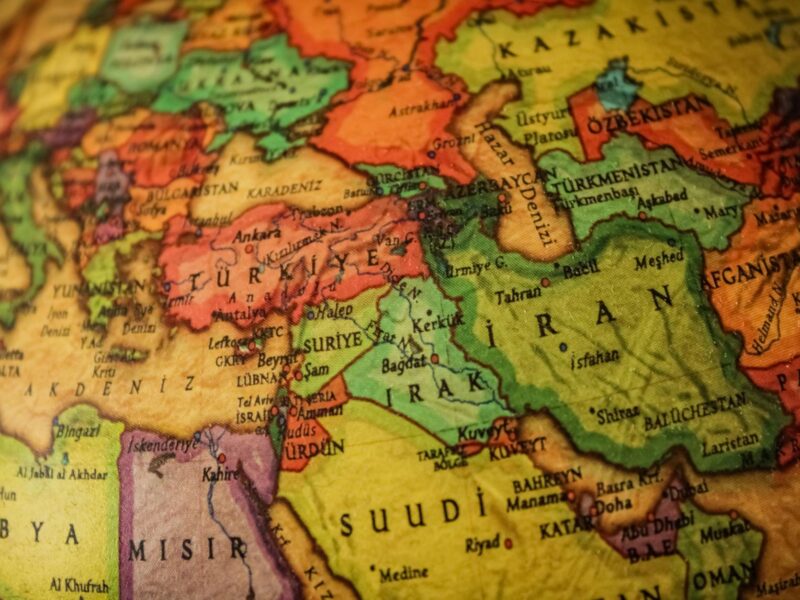
In the annals of Middle Eastern geopolitics, the Iran-Israel conflict has long served as a flashpoint for broader regional tensions. From the Iranian Revolution in 1979 to more recent skirmishes, this adversarial relationship has often compelled Arab states to take sides, balancing their interests between Tehran and Jerusalem. However, as the curtain begins to fall on this chapter of hostilities—with reports indicating a significant de-escalation—the Arab world finds itself at a crucial crossroads.
The official cessation of hostilities between Iran and Israel marks a critical juncture in regional politics. Reports this week suggest that both nations are engaging in dialogue aimed at reducing military provocations, a development that has elicited cautious optimism from Arab capitals, many of which have harbored long-standing concerns about potential aggression from Israel as it consolidates its military capabilities.
Yet, beneath this surface relief lies an undercurrent of anxiety among Arab nations. The historical backdrop is rife with examples where perceived stability belied emergent threats. The prevailing sentiment in the Arab world seems to be one of apprehension rather than celebration; the fear is that a de-escalated Iran-Israel dynamic could embolden Israel to pursue unchecked military operations against its neighbors. As the specter of Israel’s advanced military technology looms, the Arab states must recalibrate their strategies in what is increasingly becoming a multifaceted geopolitical landscape.
What We Know
- The Iran-Israel conflict is reportedly in a state of de-escalation as of October 2023.
- Arab nations have expressed cautious optimism over the reduced military tensions.
- Concerns persist about Israel’s future military posture and potential aggression toward Arab states.
What We Don’t Know Yet
- What specific military capabilities Israel may further develop in light of this de-escalation.
- How Arab nations will formally respond in terms of military alliances or defense pacts.
- The long-term implications for Iran’s influence in the region post-de-escalation.
Between the Lines
What the mainstream narrative often overlooks is the precarious position Arab nations find themselves in amidst the cooling tensions. While the de-escalation is, on one level, a welcome relief, it could potentially set a dangerous precedent if Israel interprets it as an opportunity to intensify its military operations in other arenas. With a newly invigorated sense of security, Israel might feel emboldened not merely in its conflict with Iran but in its interactions with neighboring states, leading to a possible arms race.
Moreover, the silence from Arab leaders concerning their military postures raises further questions. There is little public dialogue regarding collective security arrangements, yet behind closed doors, discussions may already be underway. If the region’s historical patterns hold true, the lack of transparency could signal that nations are already preparing for a renewed era of hostilities, albeit on different terms.
What This Means for You
For investors: anticipate shifts in defense contracts as Arab nations may pursue new alliances that prioritize regional security. For commuters: changes in regional stability could affect energy prices, impacting transportation costs. For military analysts: the evolution of Israel’s military capabilities will remain a focal point, influencing defense strategies in the coming years.
After the Headline
Looking ahead, observers should monitor announcements from Arab nations concerning military partnerships, particularly with non-Western powers. By Q2 2025, it is anticipated that at least three Arab nations will publicly announce new military alliances or defense pacts aimed directly at countering perceived threats from Israel’s expanded military capabilities. This represents a significant shift in regional security dynamics, reflecting a more complex web of alliances that may emerge from this newfound status quo.
TIMES Take: The de-escalation of the Iran-Israel conflict may appear to provide a reprieve; however, it simultaneously unravels a tapestry of underlying tensions that Arab nations must navigate with care and foresight.