Before the Headline
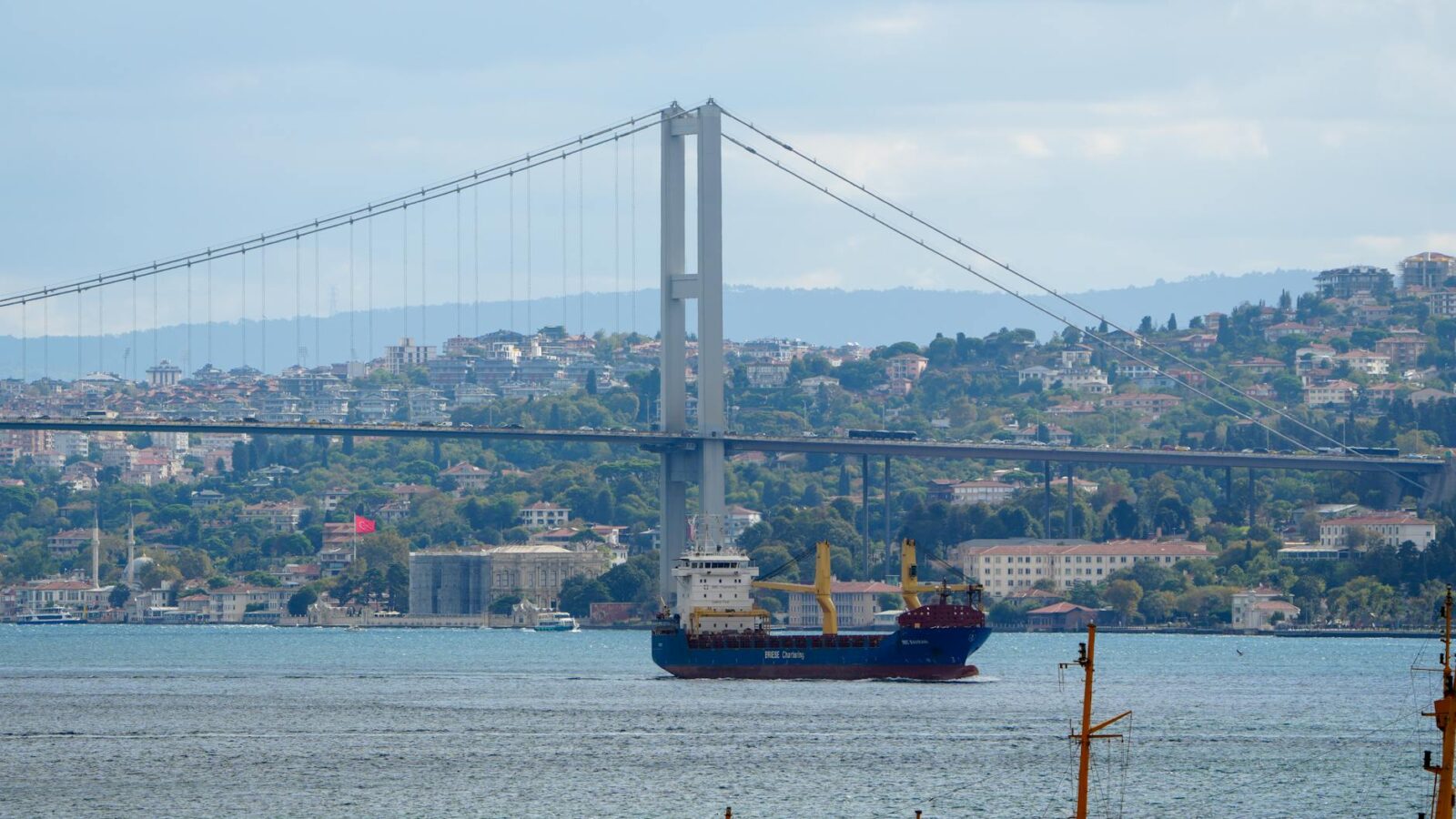
The Strait of Hormuz, a critical maritime chokepoint, has long been a barometer of geopolitical tensions. Historically, the passage has been fraught with military posturing involving not only Iran and the U.S. but also regional allies and adversaries. The recent uptick in maritime security threats along this route echoes previous crises, such as the 2008 hijacking of oil tankers by Somali pirates, which altered naval strategies globally. In the current geopolitical landscape marked by sanctions against Russia and an increasing focus on energy security, every movement through this strait is scrutinized closely.
In a noteworthy development, a 141-meter-long superyacht closely associated with a prominent Putin ally successfully traversed the Strait of Hormuz, breaking through a maritime blockade imposed by Western powers. This incident not only highlights the yacht’s audacious journey but also underscores the potential for a strategic shift in the region’s balance of power.
The superyacht, known for its opulence and ties to elite circles, is emblematic of Russia’s ongoing efforts to assert its influence, particularly amidst tightening sanctions. While mainstream discourse hones in on the breach of the blockade, the broader implications of this passage for Russia’s stance in the Middle East are perhaps more significant. As Western sanctions have intensified, the Kremlin appears poised to deepen its alliances in the region, exploiting perceived vulnerabilities in Western resolve.
What We Know
- A Russian superyacht linked to a close ally of President Vladimir Putin passed through the Strait of Hormuz.
- This event occurred despite an ongoing maritime blockade imposed by Western nations.
- The Strait of Hormuz is a strategic maritime route that carries a significant portion of the world’s oil supply.
What We Don’t Know Yet
- How this incident will directly impact Russia’s diplomatic relations with Middle Eastern countries.
- The potential responses from Western powers and their allies regarding this breach of blockade.
- Whether this passage will lead to formal military cooperation agreements between Russia and regional states.
Between the Lines
Mainstream narratives largely focus on the immediate violation of the maritime blockade but overlook the potential long-term implications for regional dynamics. By successfully navigating the Strait of Hormuz, Russia not only demonstrates its operational capabilities but also sends a message of resilience and intent to its adversaries. Such actions may embolden Russia to pursue further military partnerships, particularly with nations feeling the squeeze of Western sanctions.
Moreover, there is an unspoken contradiction in the response patterns of Gulf states and the West. While publicly advocating for stability, several Gulf nations have been quietly re-evaluating their strategic alliances, indicating a potential readiness to engage with Russia, especially as U.S. presence in the region appears more tentative. This shift could breed new geopolitical realities unsettling the established order.
What This Means for You
For investors: Rising tensions could lead to volatility in oil markets, affecting energy stocks globally. For commuters: Increased maritime risks might drive up fuel prices as shipping routes become less predictable. For military contractors: An uptick in regional military cooperation could prompt new opportunities for defense contracts with Middle Eastern states.
After the Headline
Moving forward, observers should monitor several key indicators, including potential military cooperation agreements between Russia and Middle Eastern nations that may emerge by Q2 2025. Official announcements, joint military exercises, or the presence of Russian military personnel could signal an enduring shift in regional power dynamics. The Kremlin’s recent maneuvers may be just the beginning of a broader strategy aimed at rejuvenating its standing in the Middle East.
TIMES Take: The transit of a Russian superyacht through the Strait of Hormuz is not merely a maritime escapade; it is a harbinger of an evolving geopolitical landscape, where Russian influence could redefine alliances and rivalries in the Middle East.