Before the Headline
The history of U.S. foreign aid is long and complex, rooted in the post-World War II era when humanitarian assistance became an essential tool of diplomacy. As the world increasingly confronts challenges like climate change and armed conflict, agencies like USAID have played a pivotal role in stabilizing regions, facilitating development, and mitigating crises across the globe.
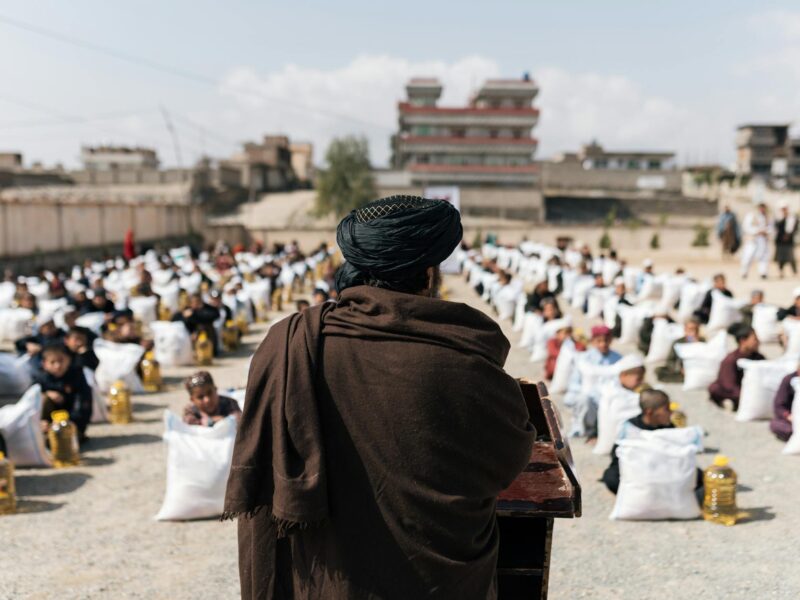
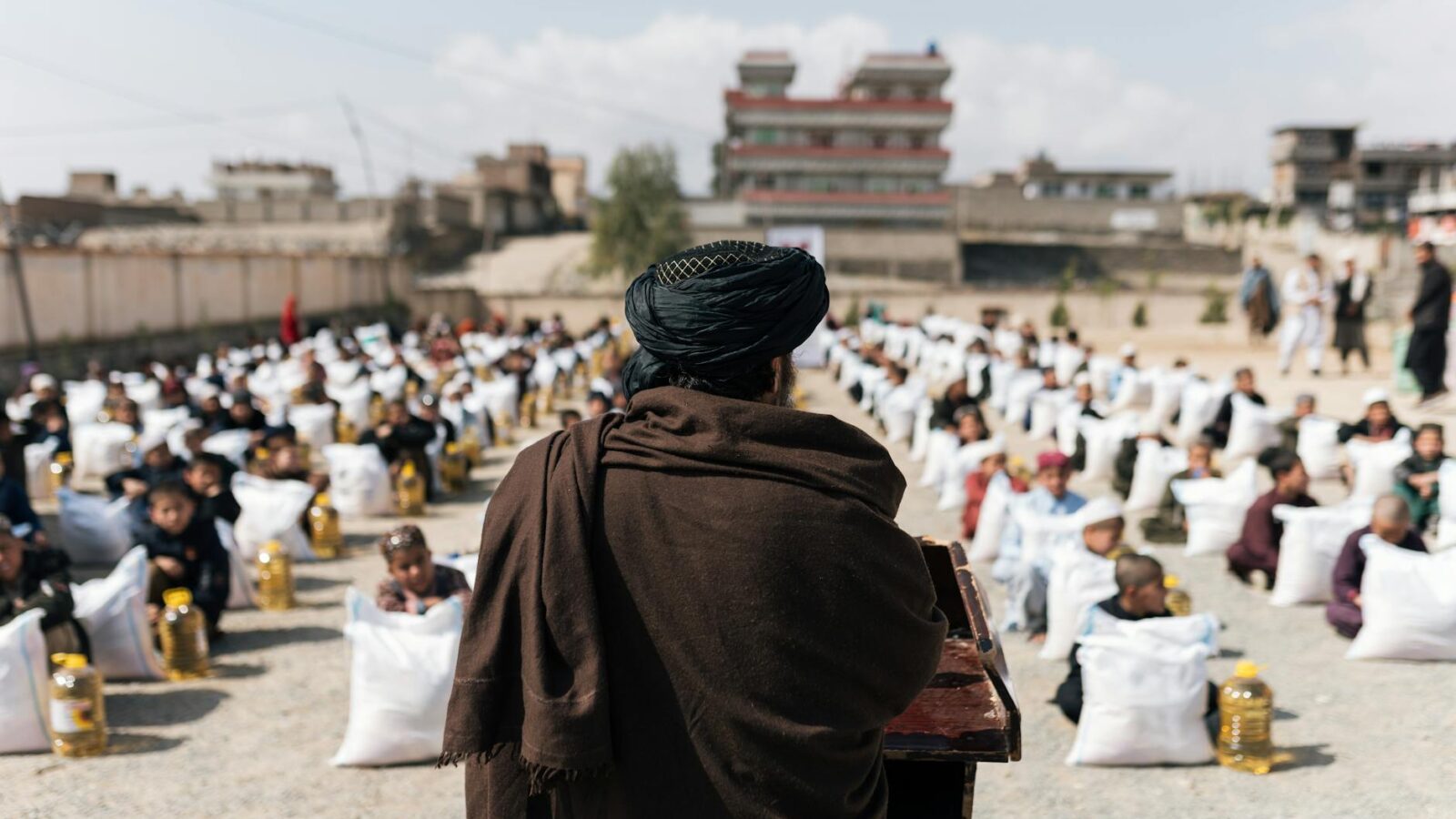
Recent studies have highlighted a grim reality: the potential closure of USAID, a core mechanism of U.S. foreign assistance, could lead to millions of deaths annually as critical aid evaporates. This is not merely a statistic; it is a humanitarian alarm bell that demands immediate attention.
While mainstream discourse has focused largely on the immediate implications of USAID’s closure, it fails to fully address the long-term destabilization that could ensue in key regions. Historical patterns suggest that when aid mechanisms disappear, the ensuing vacuum is often filled by conflict, disease, and famine—an outcome that has played out in various forms since the decline of colonial rule. The Trump administration’s tilt toward isolationism, evident in the potential shuttering of this agency, underscores a troubling trend that could lead to cascading humanitarian crises, as nations increasingly fend for themselves.
What We Know
- Several studies estimate that millions could die annually due to the closure of USAID.
- The Trump administration has moved to reduce the funding and resources available to foreign aid programs.
- Countries historically reliant on USAID have previously shown alarming increases in mortality rates during previous aid cuts.
What We Don’t Know Yet
- What specific countries will be most affected if USAID is shuttered?
- How will the U.S. government respond to potential international outcry surrounding increased mortality rates?
- What measures might be taken by international organizations to fill the void left by USAID’s closure?
Between the Lines
The current discourse surrounding USAID largely misses the broader implications of its potential closure. While immediate death tolls are shocking, the real danger lies in the long-term destabilization of countries that have relied on U.S. support for decades. Countries in the developing world face multifaceted crises—economic, health-related, and security-oriented—that are exacerbated by the absence of reliable foreign assistance, which is not simply a line item on a budget but a lifeline for millions.
Additionally, the juxtaposition of isolationist policies against the backdrop of global interdependence reveals a deep contradiction in modern governance. While policymakers may argue for a more insular approach, the reality is that global crises do not respect borders, and the consequences of neglecting these obligations will reverberate beyond U.S. shores, affecting global stability in profound ways.
What This Means for You
For investors: The potential instability in key markets could impact sectors reliant on stable supply chains, particularly agriculture and health. For humanitarian workers: A vacuum in aid could shift the landscape of international relief efforts, forcing organizations to adapt rapidly. For communities in vulnerable regions: The loss of essential services could lead to heightened tensions and conflicts, jeopardizing daily life and safety.
After the Headline
As we approach mid-2024, the fate of USAID will not only serve as a litmus test for U.S. foreign policy but will also be a crucial indicator of future global humanitarian needs. If the agency is indeed shuttered by the end of Q2 2024, the repercussions will likely manifest as increased mortality rates due to malnutrition, disease, and conflict in at least ten historically affected countries by the close of Q2 2026—fact-checking these predictions will be essential, and WHO data will be critical in this analysis.
TIMES Take: The shuttering of USAID would not simply be an administrative decision; it would mark a seismic shift in how the U.S. engages with the world, with life-and-death consequences for millions. In the grand tapestry of global relations, the threads of aid and stability are increasingly fraying, leading us toward a darker future.