Before the Headline
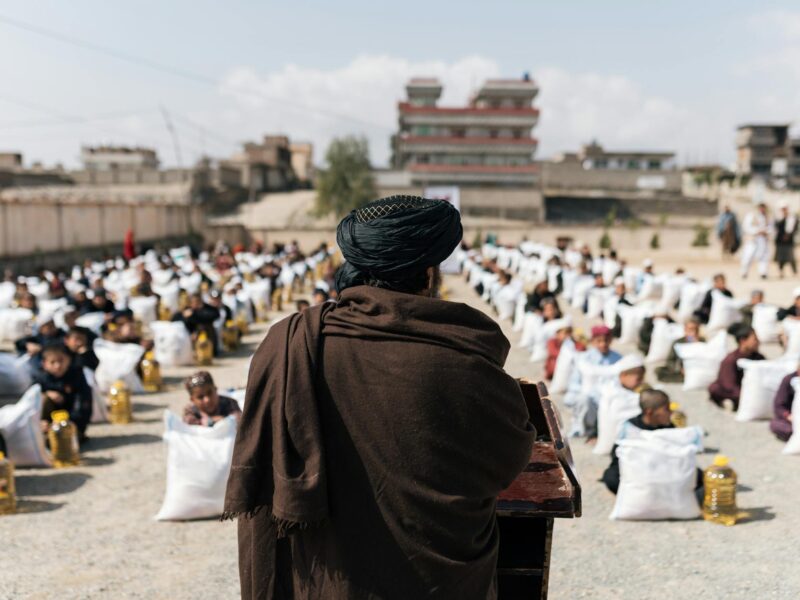
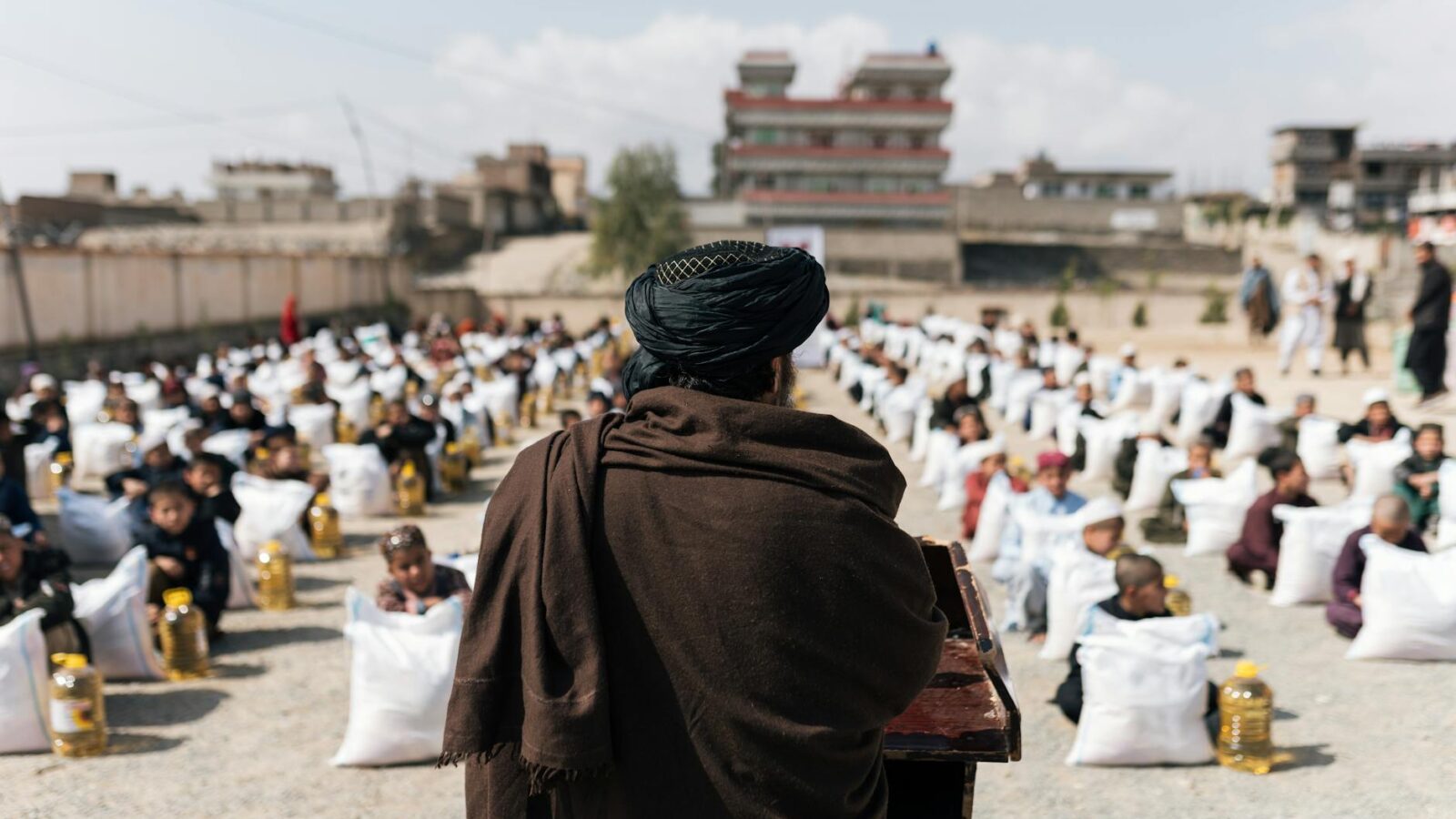
The United States Agency for International Development (USAID) has long been a pillar of American foreign aid, particularly in regions plagued by conflict and poverty. Established during the post-World War II era, USAID has been instrumental in delivering humanitarian assistance, bolstering economic development, and fostering resilient societies. However, under the Trump Administration, a significant contraction of this agency is anticipated, echoing historical trends where strategic cutbacks in foreign aid have led to unintended humanitarian crises with long-lasting implications.
Recent studies have painted a grim picture: millions may die annually due to the impending closure of USAID. As the curtain falls on this essential agency, we must grapple with the ramifications, particularly in conflict-affected regions where reliance on foreign assistance is pronounced.
While mainstream narratives have largely centered on the political ramifications of this closure, they often understate the catastrophic humanitarian fallout that could ensue. The World Health Organization and various local health organizations warn that without American aid, already fragile local economies will falter, exacerbating existing conflicts. This could set off a domino effect of hardship, leading to mortality rates swelling significantly in regions that rely heavily on USAID for essential support.
Analysis of health data from similar crises reveals a dire forecast: if USAID ceases operations by the end of Q1 2024, health statistics suggest that by Q3 2025, an additional 5 million people in these areas could face a stark increase in mortality due to the loss of vital services and supplies.
What We Know
- USAID has been a key provider of humanitarian aid globally since its inception.
- Multiple studies estimate that millions could die annually without USAID’s support, especially in conflict zones.
- The closure of USAID is part of the Trump Administration’s broader strategy to cut foreign aid.
- Health organizations project significant increases in mortality rates in conflict-affected regions following USAID’s shutdown.
What We Don’t Know Yet
- How quickly can alternative humanitarian solutions be mobilized in the absence of USAID?
- What specific measures will Congress take to mitigate the impact of USAID’s closure?
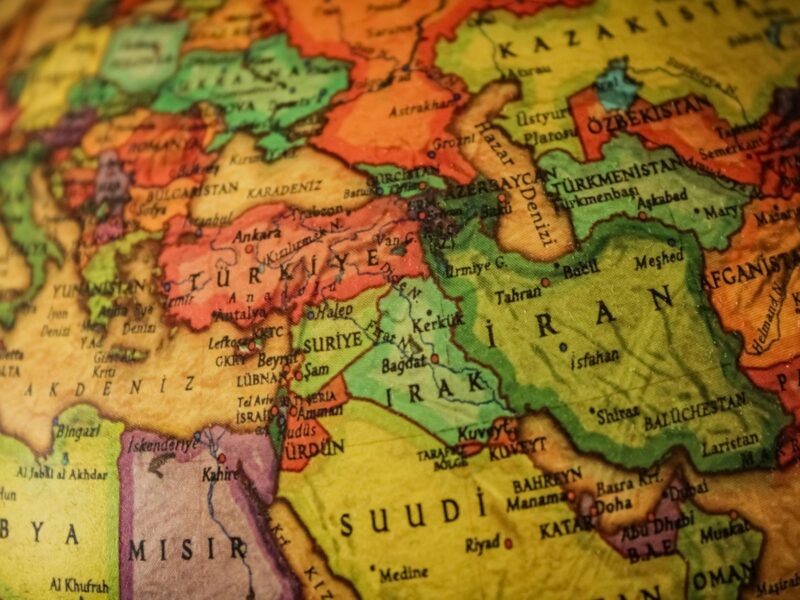
- Which regions will be most affected by the cessation of aid, and what will be the immediate humanitarian response from other countries?
Between the Lines
One critical aspect that mainstream narratives overlook is the intertwined relationship between humanitarian aid and local governance. The withdrawal of USAID could create a vacuum that not only escalates humanitarian suffering but also strengthens extremist groups in those regions, as perceived vacuums of authority often invite instability. This would echo past American foreign policy missteps, where reducing aid led to increased chaos, exemplified by the post-Soviet withdrawal from Afghanistan.
Additionally, the silence surrounding potential pathways for new aid structures is telling. Experts and policymakers shy away from discussing the systemic failures that have led to an overreliance on USAID, potentially hampering the search for innovative solutions. This contradiction reveals a concerning complacency in international humanitarian strategy that needs urgent addressing.
What This Means for You
For investors: A destabilized region could disrupt markets tied to resource extraction and agriculture. For commuters: Increased geopolitical tensions may lead to fluctuating fuel prices. For humanitarian workers: Job security is threatened as organizations grapple with a significant funding shortfall.
After the Headline
Looking ahead, key indicators will be the response from Congress regarding the proposed shutdown of USAID and the mobilization of alternative humanitarian operations. The timeline is tight; as data emerges, it will be crucial to monitor mortality rates in affected areas, particularly post-Q1 2024. If current trajectories hold true, the humanitarian fallout could reach crisis levels by Q3 2025.
TIMES Take: The shuttering of USAID threatens not just lives but stability across borders. The true cost of this policy will unfold in underreported mortality rates and increasing conflict—an echo of past miscalculations in American foreign policy.