Before the Headline
The U.S. has long wielded sanctions as a tool of foreign policy, particularly against nations like Iran that defy its geopolitical interests. Historically, similar strategies have backfired; for instance, during the Cold War, U.S. sanctions on the Soviet Union inadvertently strengthened its ties with China. Now, as the Biden administration intensifies its sanctions on Iranian oil exports, the potential for such outcomes looms large once more.
The U.S. Treasury has announced fresh sanctions aimed specifically at curbing Iran’s oil exports, a measure intended to diminish the country’s shadow banking system while targeting Chinese purchases. This move comes amid ongoing tensions surrounding Iran’s nuclear ambitions and regional proxy conflicts.
However, the immediate goal of constraining Iran could very well be overshadowed by long-term geopolitical shifts. Reports indicate that rather than weakening Iran, these sanctions may accelerate a broader realignment, as Tehran seeks refuge in the arms of Moscow and Beijing. A pivot towards these authoritarian regimes is a response not just to economic pressures but also to a growing perception of Western hostility. Such a shift mirrors historical precedents, where nations under sanctions have drawn closer to other outcast states, forming alliances that can reshape global dynamics.
What We Know
- The U.S. Treasury has issued new sanctions targeting Iranian oil exports.
- The sanctions aim to disrupt Iran’s shadow banking system and limit Chinese oil purchases.
- These measures are part of ongoing efforts to curb Iran’s nuclear ambitions and regional activities.
What We Don’t Know Yet
- How will Iran officially respond to these new sanctions in terms of foreign policy adjustments?
- What specific military or economic agreements could emerge between Iran, Russia, and China?
Between the Lines
What mainstream coverage often overlooks is that sanctions can have counterproductive effects, inadvertently driving targeted nations into the arms of adversaries. While the intention behind these sanctions is to weaken Iran, they may instead serve as a catalyst for a robust axis between Tehran, Moscow, and Beijing — one that mirrors the Cold War alliances that once dominated global politics.
Furthermore, the silence from Western analysts regarding the potential for increased Chinese and Russian influence in the region is telling. As Iran’s economy increasingly relies on these nations, the West risks losing its foothold in a geostrategically crucial area that has long been a center of competition. The contradictions in U.S. foreign policy become clear: efforts to isolate Iran may unify it with other adversaries, creating a coalition that could challenge Western interests more forcefully.
What This Means for You
For investors: Increased volatility in oil markets is likely, as sanctions could shift trading patterns. For commuters: Rising fuel prices may become more pronounced due to potential supply chain disruptions. For energy workers: A shift in Iranian oil export strategies could open new roles in emerging markets like Russia and China, as they seek to fill the gaps left by U.S. sanctions.
After the Headline
Looking ahead, the timeline for potential ramifications is critical. By Q1 2025, there is a strong possibility that Iran will formalize a strategic partnership with Russia and China, evidenced by at least three bilateral agreements encompassing military cooperation, energy trade, and technological exchange. This shift could manifest through joint military exercises and a projected 30% increase in oil exports to these nations compared to Q1 2024.
Key dates to watch include upcoming roundtable discussions between Iranian and Russian officials, as well as trade negotiations between Iran and China. These interactions will provide tangible indicators of how the Iran-Russia-China axis is forming and how effective U.S. sanctions are in achieving their intended goals.
TIMES Take: The tightening of U.S. sanctions on Iranian oil may ultimately be the catalyst for a new geopolitical alliance that reshapes power dynamics in the region and beyond. In the age of global interdependence, pushing nations into closer relationships may be among the most paradoxical outcomes of foreign policy.
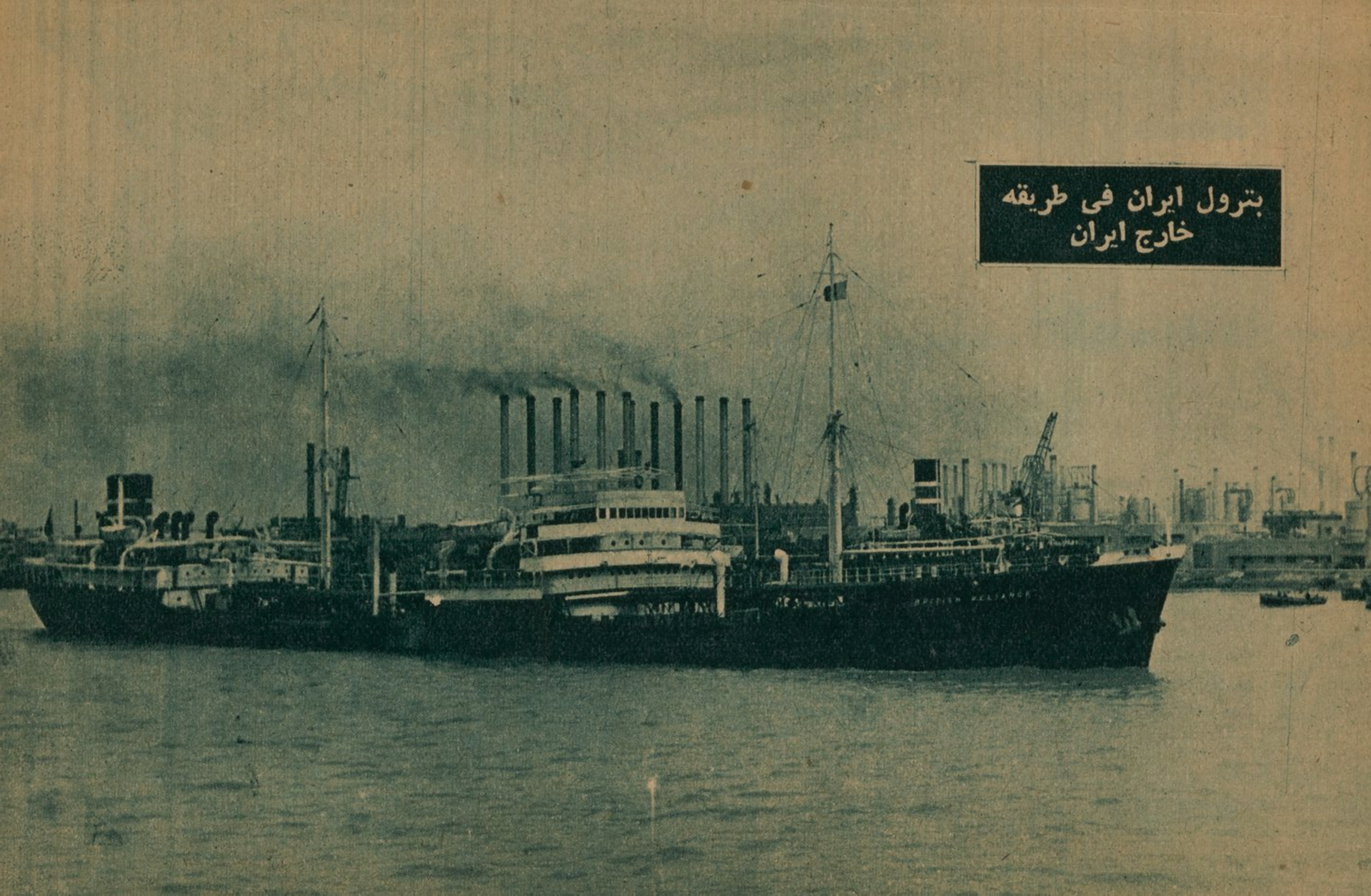
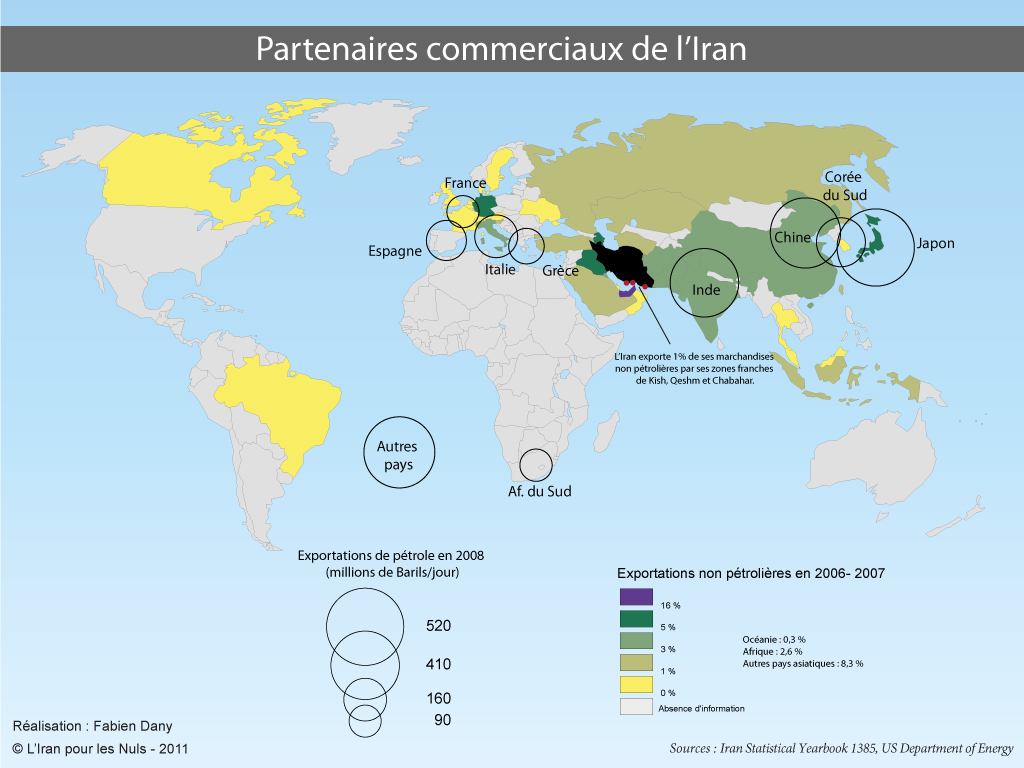
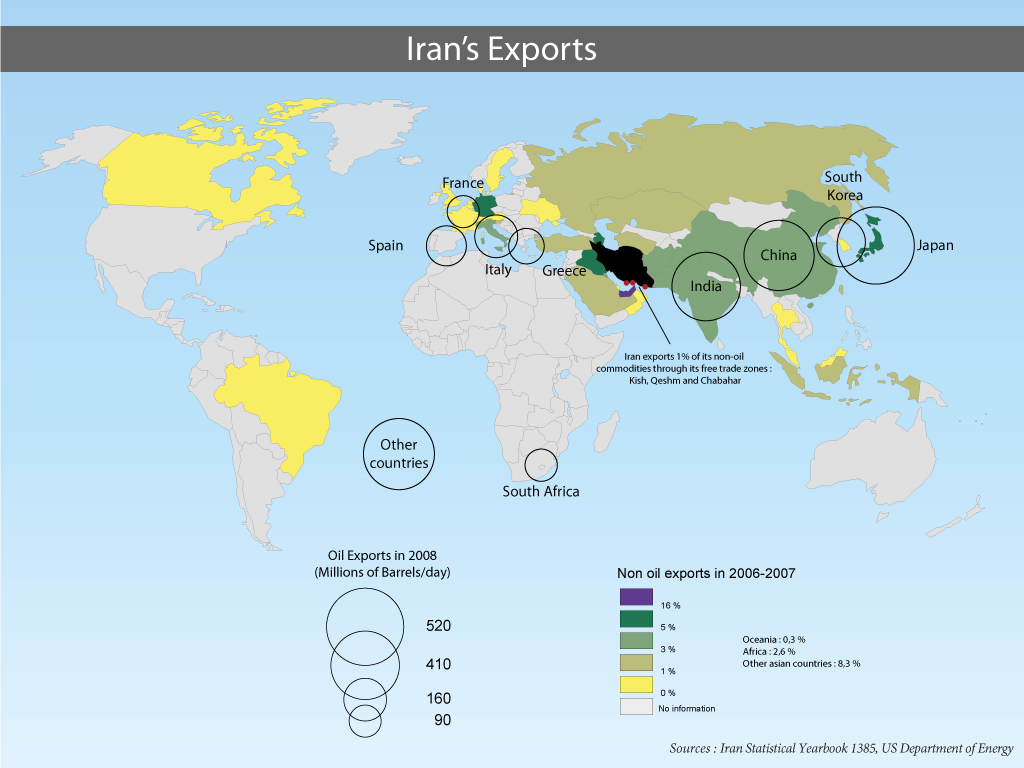
Image Analysis
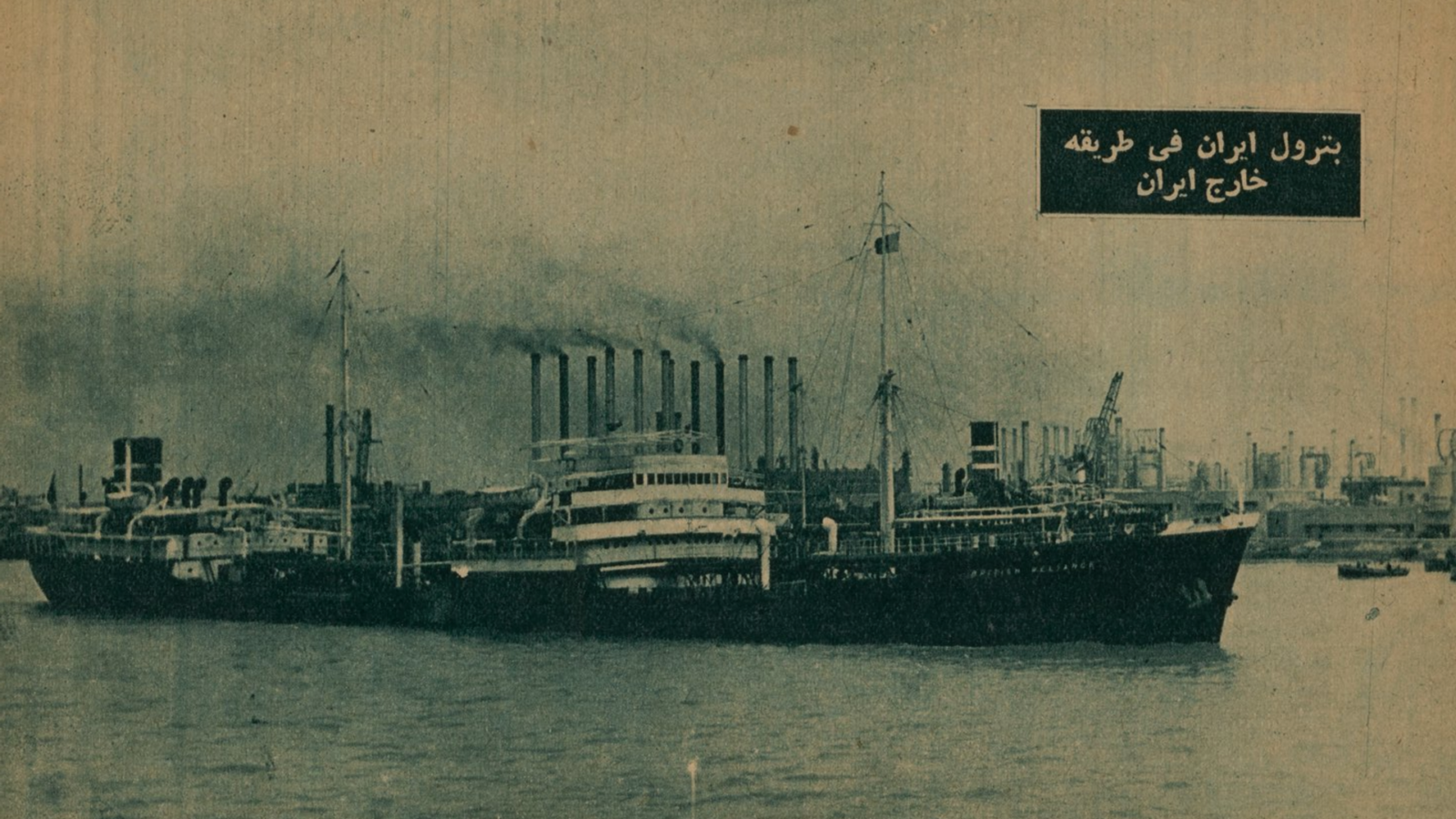
The image depicts a vintage oil tanker, emblematic of Iran's historic role in the global oil market. The smoke rising from its stacks represents both industrial progress and environmental concerns, reflecting the complex legacy of oil production. The banner in Arabic suggests the exportation of Iranian oil, a concept now challenged by new sanctions and shifting global alliances. This juxtaposition of past prosperity and contemporary geopolitical struggles underscores the central theme of the article, illustrating how modern sanctions are poised to reshape Iran’s oil narrative.