Before the Headline
The United Arab Emirates (UAE) has long been a key player in the Organization of the Petroleum Exporting Countries (OPEC), balancing its production with that of larger members like Saudi Arabia and Iraq. Historically, OPEC has functioned as a collective mechanism to manage oil supply and stabilize prices, but recent tensions over production quotas and pricing strategies have exposed underlying fissures within the cartel.
In a significant development, the UAE has announced its departure from OPEC, citing frustrations with the group’s production quotas that it perceives as constraining its economic ambitions. This decision not only disrupts the existing equilibrium within OPEC but also resonates with the UAE’s broader aspirations to redefine its role in the global energy landscape.
The UAE’s exit underscores a palpable shift in the dynamics of oil production. Since the early 1980s, OPEC’s power has been largely unchallenged, with member nations cooperating to control supply and stabilize prices. However, the UAE’s recent actions suggest that its leadership perceives diminished returns from adhering to a system that no longer aligns with its national interests or economic growth strategies. By pursuing a more independent path, the UAE could embolden other oil producers who may soon follow suit, potentially fracturing OPEC’s influence and signaling a trend toward a more decentralized global oil market.
What We Know
- The UAE has decided to exit OPEC due to frustrations with production quotas.
- This decision reflects a growing desire for autonomy in managing its energy policies.
- OPEC has historically played a significant role in stabilizing global oil prices through collective production management.
What We Don’t Know Yet
- Which specific countries might follow the UAE’s lead in leaving or reducing cooperation with OPEC?
- How the UAE’s exit will impact its relationships with other key oil-producing nations, particularly within OPEC.
- The immediate market response or longer-term shifts in oil pricing dynamics following the announcement.
Between the Lines
While mainstream analysis may frame the UAE’s departure as a tactical maneuver against OPEC, the unspoken reality is that this decision could signal a broader, systemic shift in how oil-producing nations view their place within global energy markets. The UAE’s leadership is not just stepping away from quotas; they are positioning themselves as a pioneering force among nations that prioritize economic sovereignty over collective agreements that may stifle growth.
Furthermore, the UAE’s departure brings attention to the increasingly fragmented nature of energy politics. As emerging economies or even established producers grow weary of stringent agreements that constrain production, the delicate balance OPEC has maintained for decades could be further tested. Such dynamics raise questions about the very viability of OPEC in its current form, especially if the trend of seeking greater autonomy continues to gain traction.
What This Means for You
For investors: This shift could lead to increased volatility in oil markets, presenting both risks and opportunities in commodity trading. For commuters: If production levels shift significantly, fuel prices may see fluctuations that impact daily transportation costs. For exporters in the energy sector: A more fragmented market could redefine trade dynamics, necessitating new strategies for securing partnerships and contracts.
After the Headline
Looking forward, stakeholders will want to monitor other oil-producing nations for indications they might follow the UAE’s lead. By Q4 2025, at least three additional countries are expected to announce intentions to either exit OPEC or significantly reduce collaboration, driven by similar desires for energy policy autonomy. Official government statements and changes in production strategies will serve as key indicators of this potential trend.
TIMES Take: The UAE’s departure from OPEC is not merely an act of defiance; it is a clarion call for a reimagined energy landscape where autonomy may trump collective affiliation. As this narrative unfolds, the global oil market may be heading toward a new equilibrium defined by independence and competition.
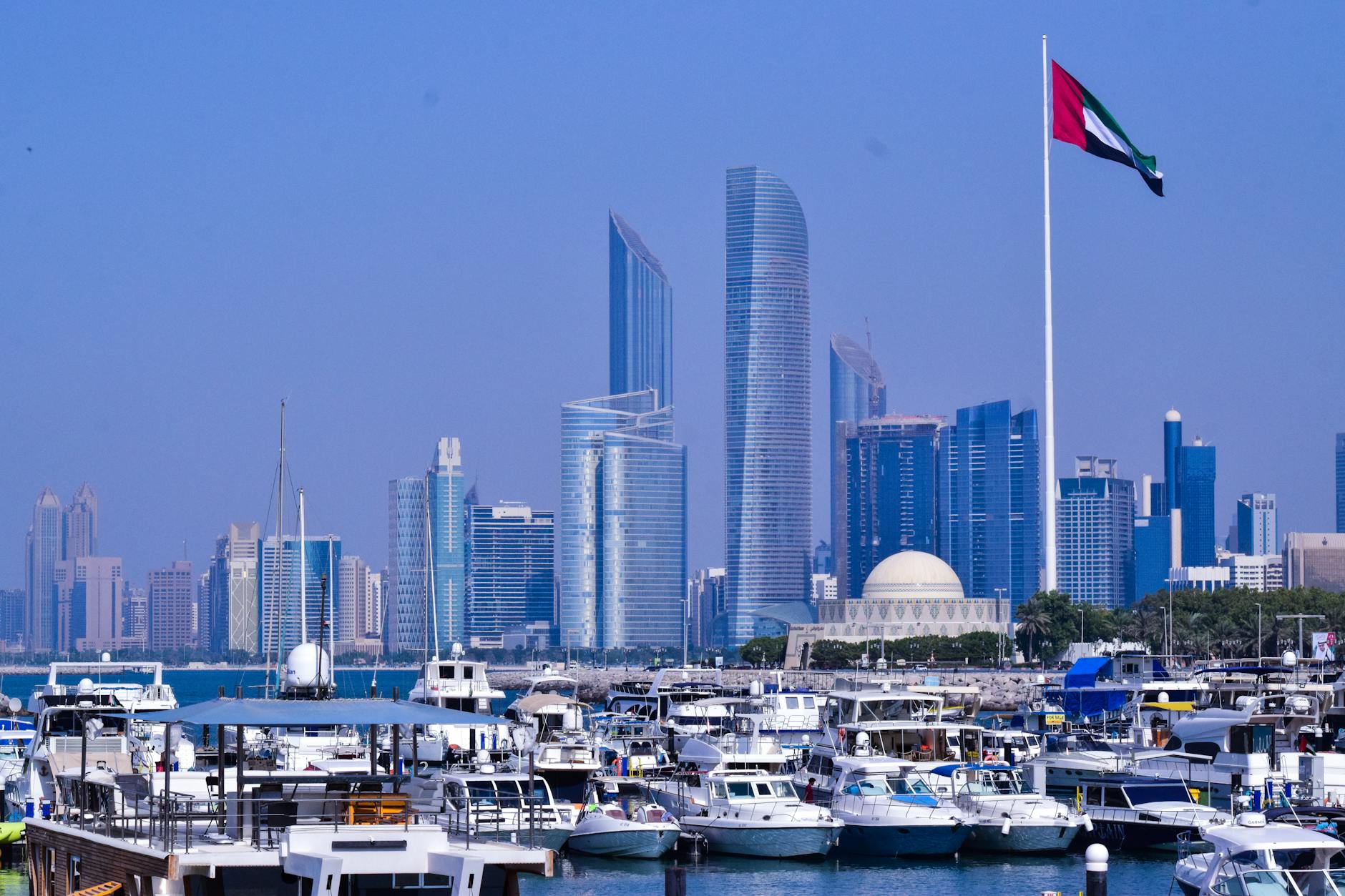
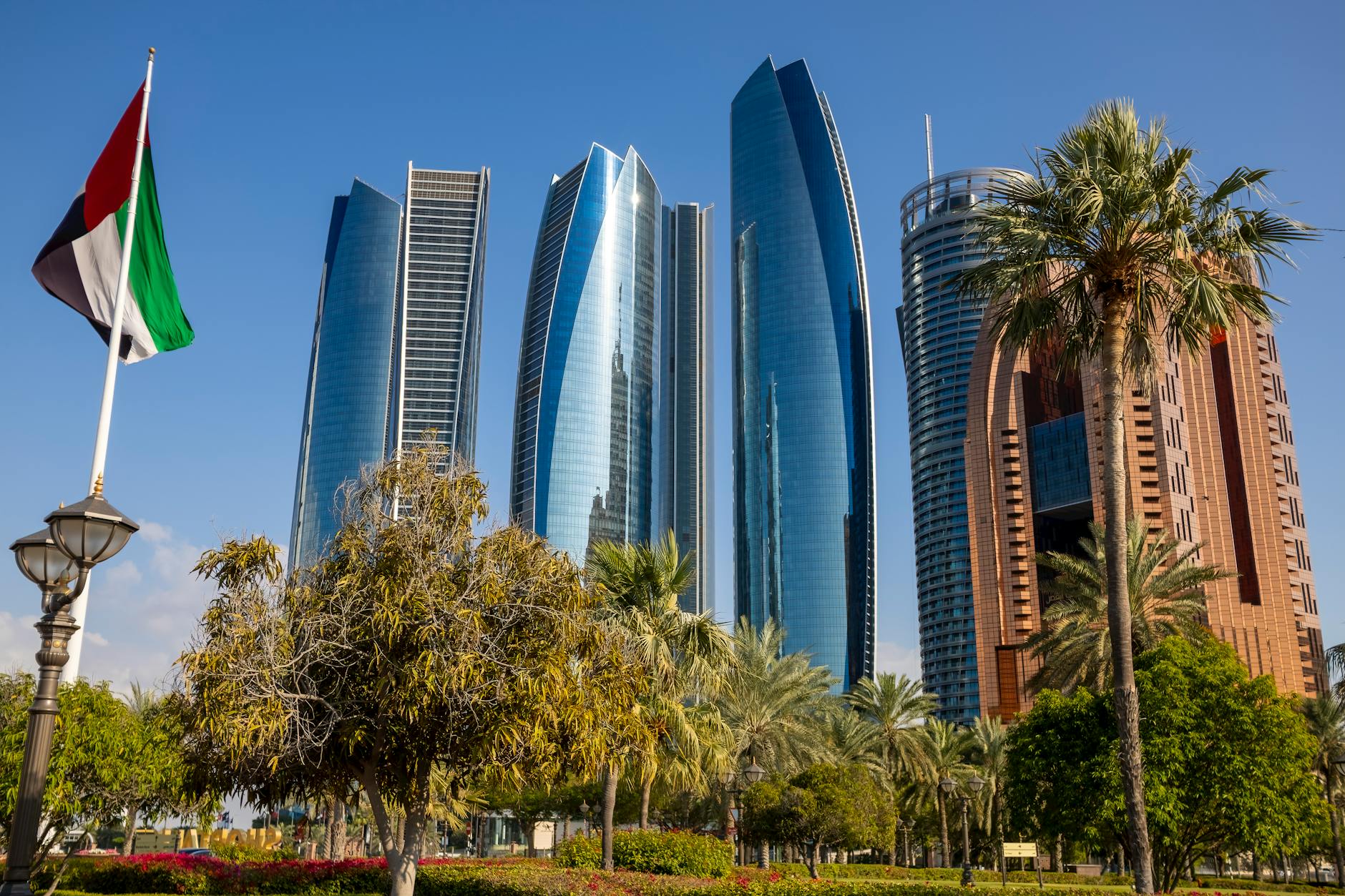
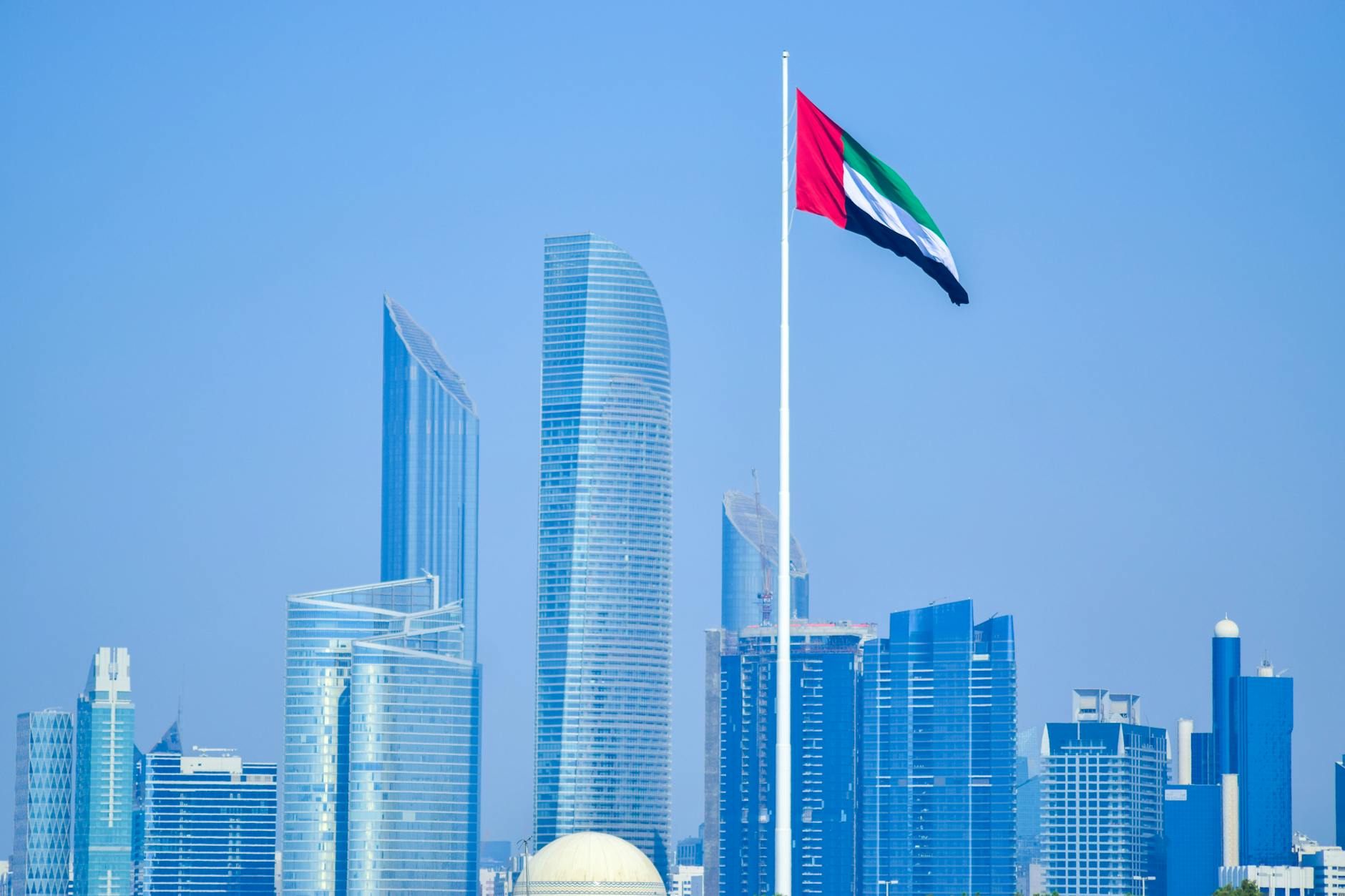
Image Analysis
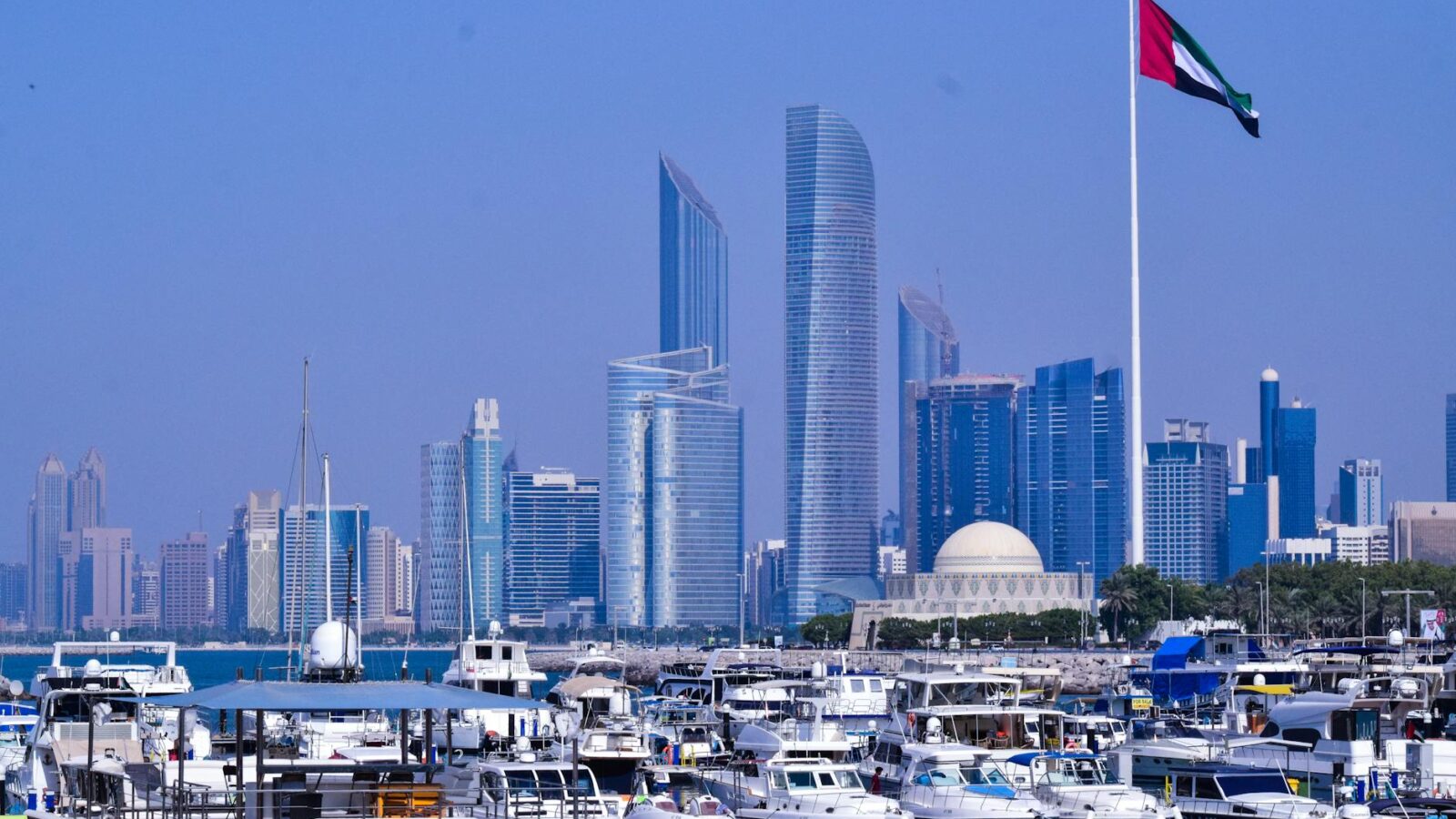
The image captures a bustling marina in the UAE, with luxury yachts lining the docks and a backdrop of gleaming skyscrapers. Prominently displayed is the UAE flag, symbolizing national pride amid a period of shifting economic landscapes as the country exits OPEC. This visual underscores the UAE’s burgeoning autonomy in energy policy, hinting at a potential pivot towards embracing alternative energy sources and diversification. The juxtaposition of modernity in architecture and maritime activity reflects the UAE's dual identity as a global business hub and its deep-seated oil heritage.