The Unlikely Peacemakers in a Volatile Strait
By Marcus Vellinger, Senior Political Analyst, The TIMES
The Strait of Hormuz, a narrow choke point for global oil supplies, once again feels like a tinderbox. With Iran and the United States locked in a dangerous dance of escalation and rhetoric, the specter of a wider conflict looms large over the Middle East. Yet, from the shadows, two seemingly disparate regional powers — Saudi Arabia and Pakistan — are quietly stepping forward, positioning themselves not as partisans, but as crucial intermediaries. Their combined diplomatic weight, amplified by a deepening strategic alliance, could very well be the unexpected circuit breaker the region desperately needs.
Riyadh and Islamabad: Uniquely Positioned for Diplomacy
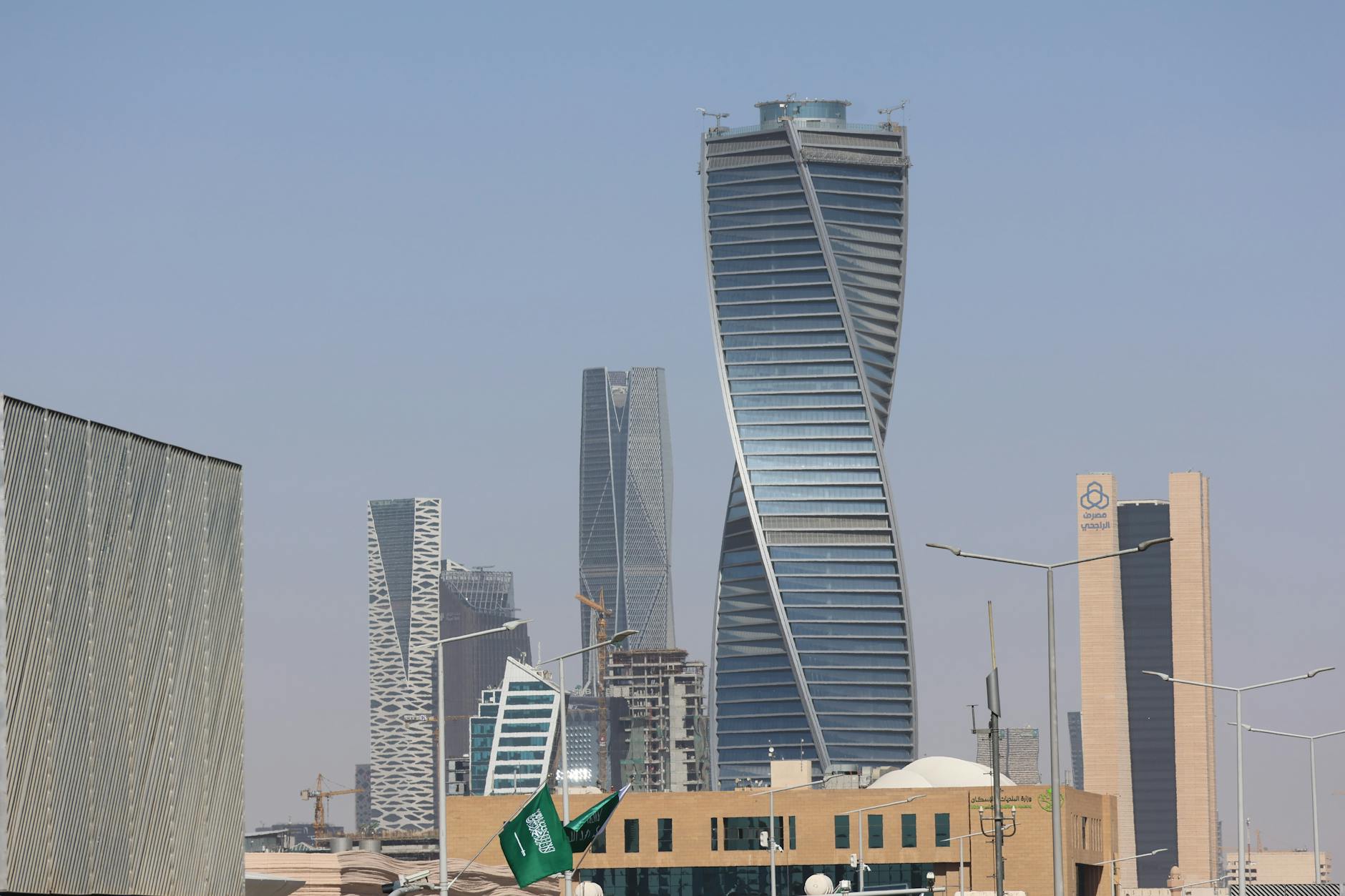
Both Riyadh and Islamabad possess a unique, albeit complex, historical leverage with Tehran and Washington. Saudi Arabia, despite its deeply adversarial relationship with Iran, has maintained vital backchannels. For decades, the two regional giants have engaged in sporadic, yet critical, dialogues, often mediated by third parties, underscoring a mutual recognition that direct, unmediated conflict is too costly. Riyadh understands Tehran’s red lines and internal dynamics perhaps better than any other Arab capital, a nuanced insight Washington often lacks. Its proximity and vested interest in regional stability make it a credible, if reluctant, interlocutor for both sides.
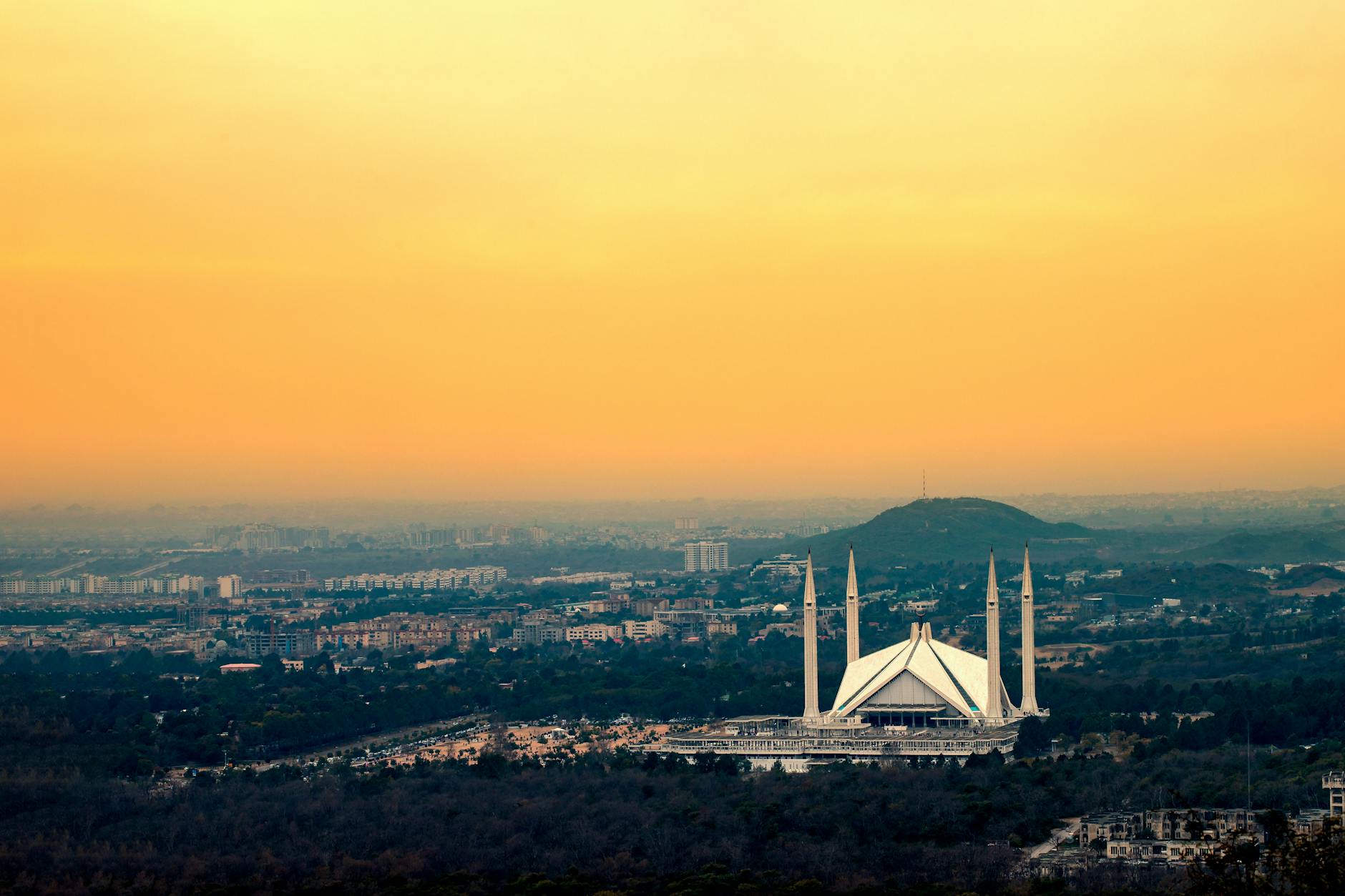
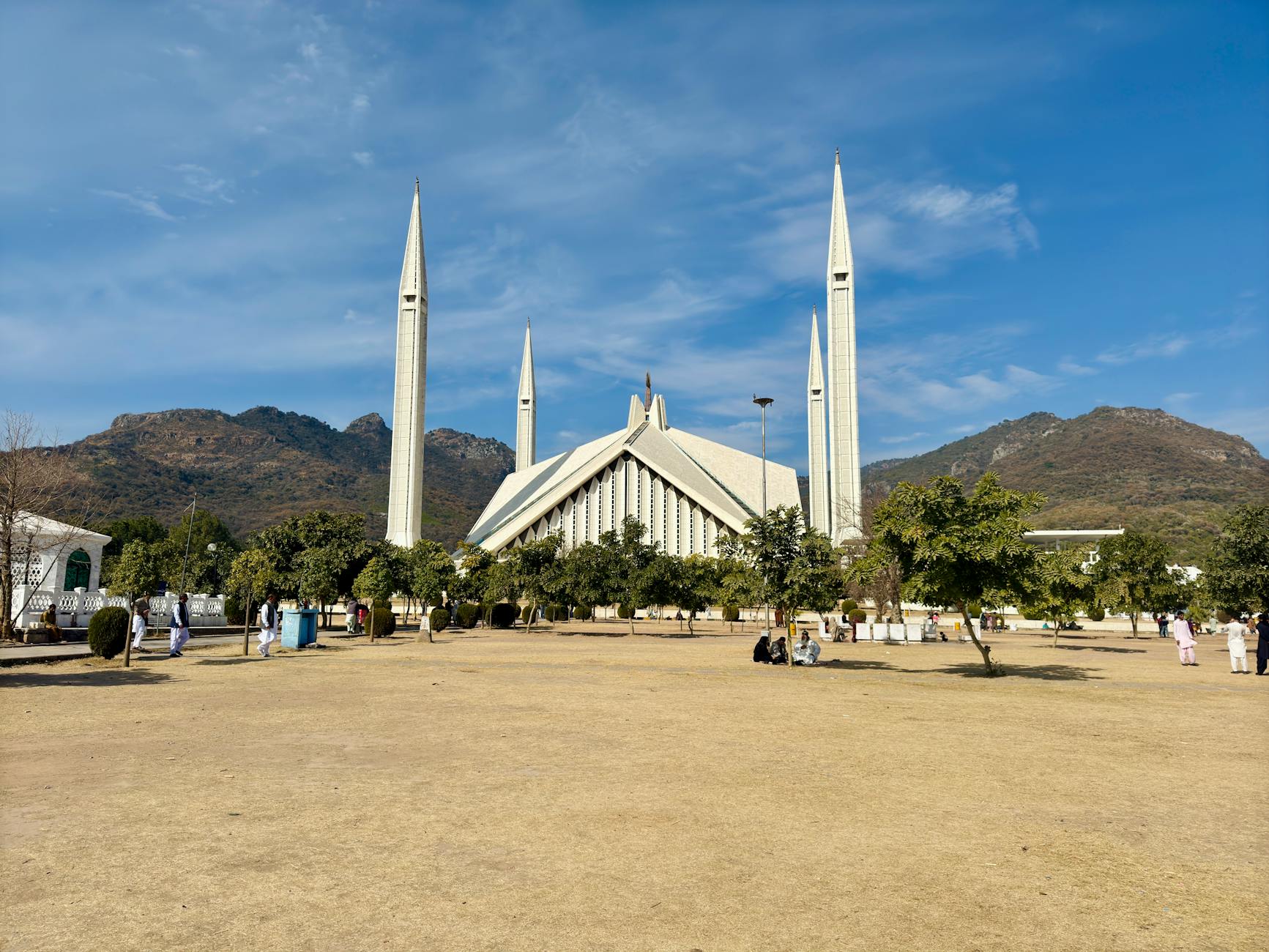
Pakistan’s position is even more fascinating. Islamabad enjoys a long-standing, robust relationship with Saudi Arabia, built on religious solidarity, economic ties, and military cooperation. Crucially, Pakistan has also maintained a working relationship with Iran, sharing a lengthy border and a mutual interest in counter-terrorism. Historically, Pakistan has played a quiet, yet effective, role in defusing regional tensions, often acting as a bridge between Gulf states and Iran. For Washington, Pakistan is a key non-NATO ally, a nuclear power with significant influence in the broader Islamic world, lending its diplomatic initiatives a certain gravitas.
The Strategic Alliance: A Force Multiplier
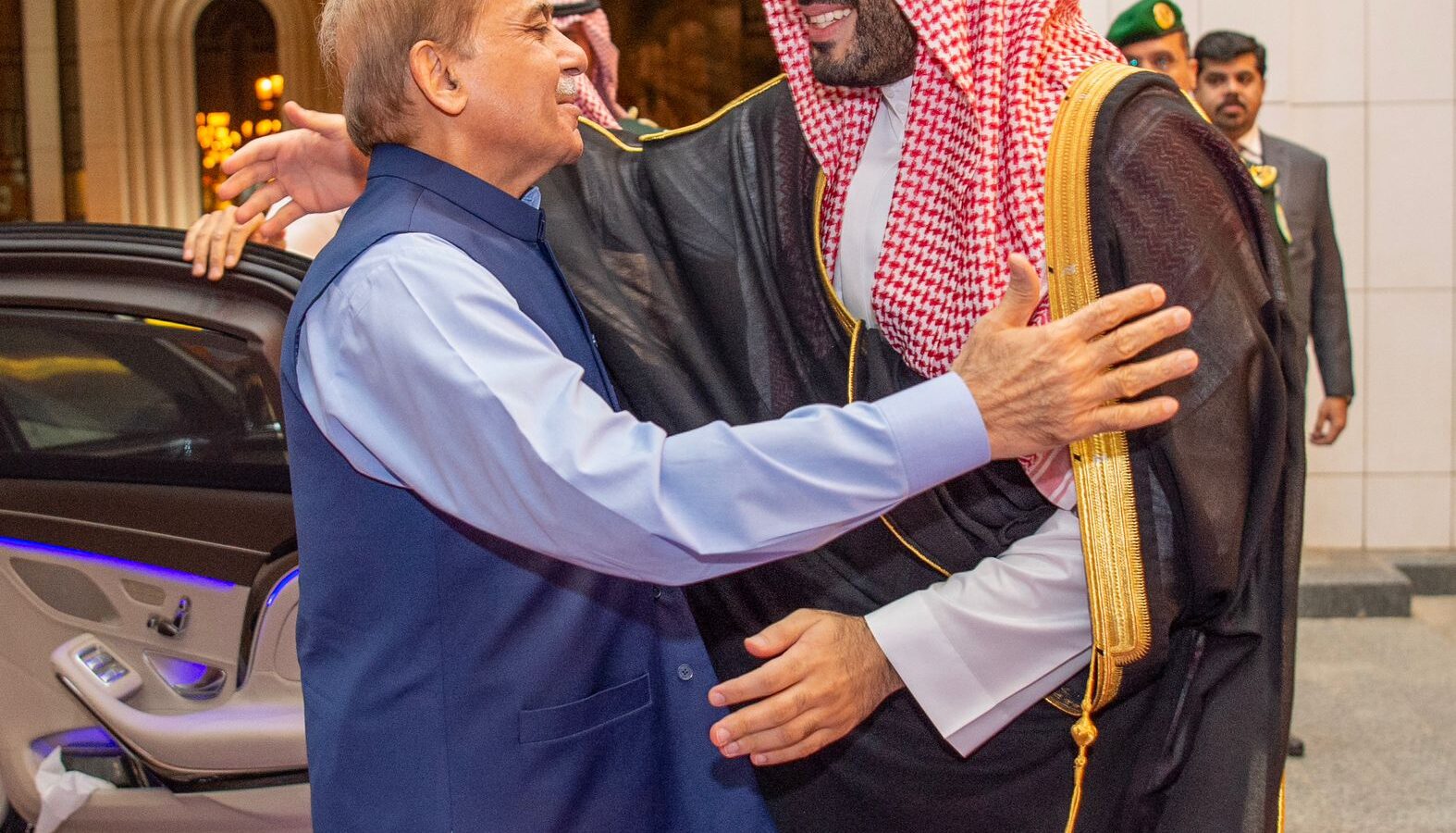
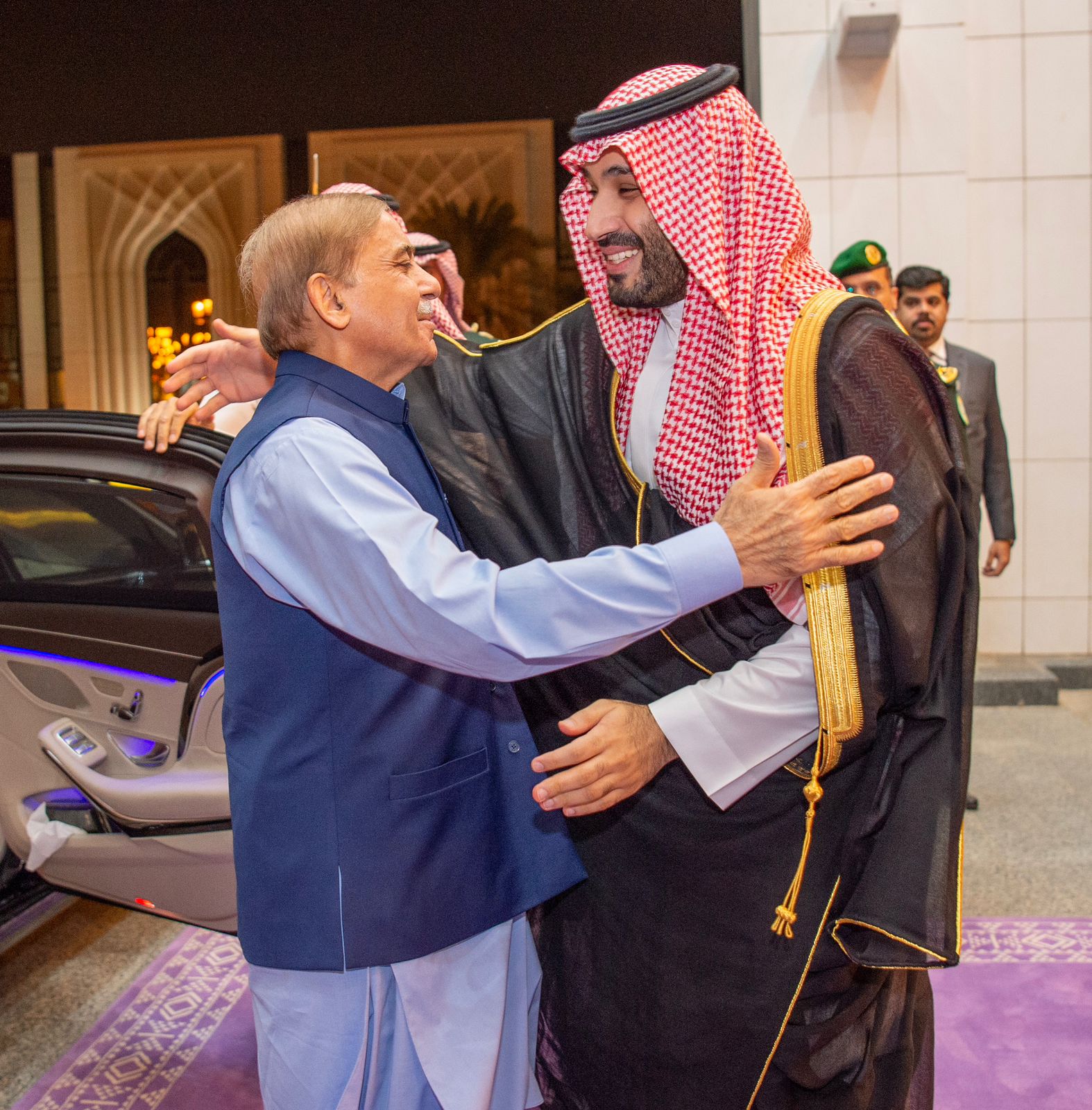
The burgeoning strategic alliance between Saudi Arabia and Pakistan amplifies their combined diplomatic weight significantly. This partnership isn’t just about military exercises or economic investment; it’s a consolidation of influence. When Riyadh and Islamabad speak with a unified voice on regional stability, it carries far more resonance than individual efforts. Pakistan’s military prowess and diplomatic experience, combined with Saudi Arabia’s immense financial leverage and deep regional ties, create a potent force for de-escalation. Their joint commitment to preventing a wider conflict aligns with the interests of all major global powers, giving their mediation efforts an international legitimacy.
Three Paths Forward: Scenarios for De-escalation or Conflict
Based on extensive discussions with sources in Washington, Riyadh, and Islamabad, I foresee three primary scenarios unfolding:
Scenario 1: Successful De-escalation via Saudi-Pakistani Backchannel (50%)
This is the most hopeful outcome. Quiet, intensive diplomacy, facilitated by Riyadh and Islamabad, leverages existing trust to create a framework for dialogue. This scenario involves a gradual reduction of rhetoric, confidence-building measures, and a commitment to avoid provocative actions. The mediators would likely focus on finding common ground for an initial, limited direct engagement between Washington and Tehran, perhaps on maritime security or prisoner exchanges.
Scenario 2: Limited US Strikes, Iran Retaliates (30%)
Should diplomacy falter, a limited US strike, possibly in response to Iranian provocations against shipping or regional assets, remains a significant possibility. Iran would almost certainly retaliate, likely through proxies or cyberattacks, but calibrated to avoid full-scale war. This scenario would involve a dangerous tit-for-tat, raising the stakes considerably, but still short of an all-out regional conflict. Saudi and Pakistani mediation would then shift to containing the damage and re-establishing communication channels.
Scenario 3: Full Regional War (20%)
The most catastrophic outcome, a full regional war, has a lower probability but devastating potential. This would be triggered by a major miscalculation or an uncontrollable escalation spiral, involving direct military engagement between the US and Iran, drawing in regional actors. The economic, human, and geopolitical costs would be immense, destabilizing the global order for years. In this scenario, Saudi and Pakistani efforts would likely shift from mediation to humanitarian and regional stabilization roles.
The Hidden Winner: Vision 2030’s Stability Premium
Regardless of the immediate outcome, there’s a clear hidden winner: Saudi Arabia. Crown Prince Mohammed bin Salman’s ambitious Vision 2030 economic transformation hinges entirely on regional stability. A protracted conflict with Iran, or even sustained high tensions, would decimate foreign investment, disrupt global supply chains, and severely hamper the kingdom’s diversification efforts. By actively mediating and working to de-escalate, Riyadh secures a crucial “stability premium” for its transformative agenda. It demonstrates to the world, and to its own citizens, its commitment to a peaceful future, cementing its role as a responsible regional hegemon and a vital player in global diplomacy.
So, as these two regional powers step onto the global stage as mediators, the fundamental question remains: Can Riyadh and Islamabad truly broker peace, or just delay the inevitable?