
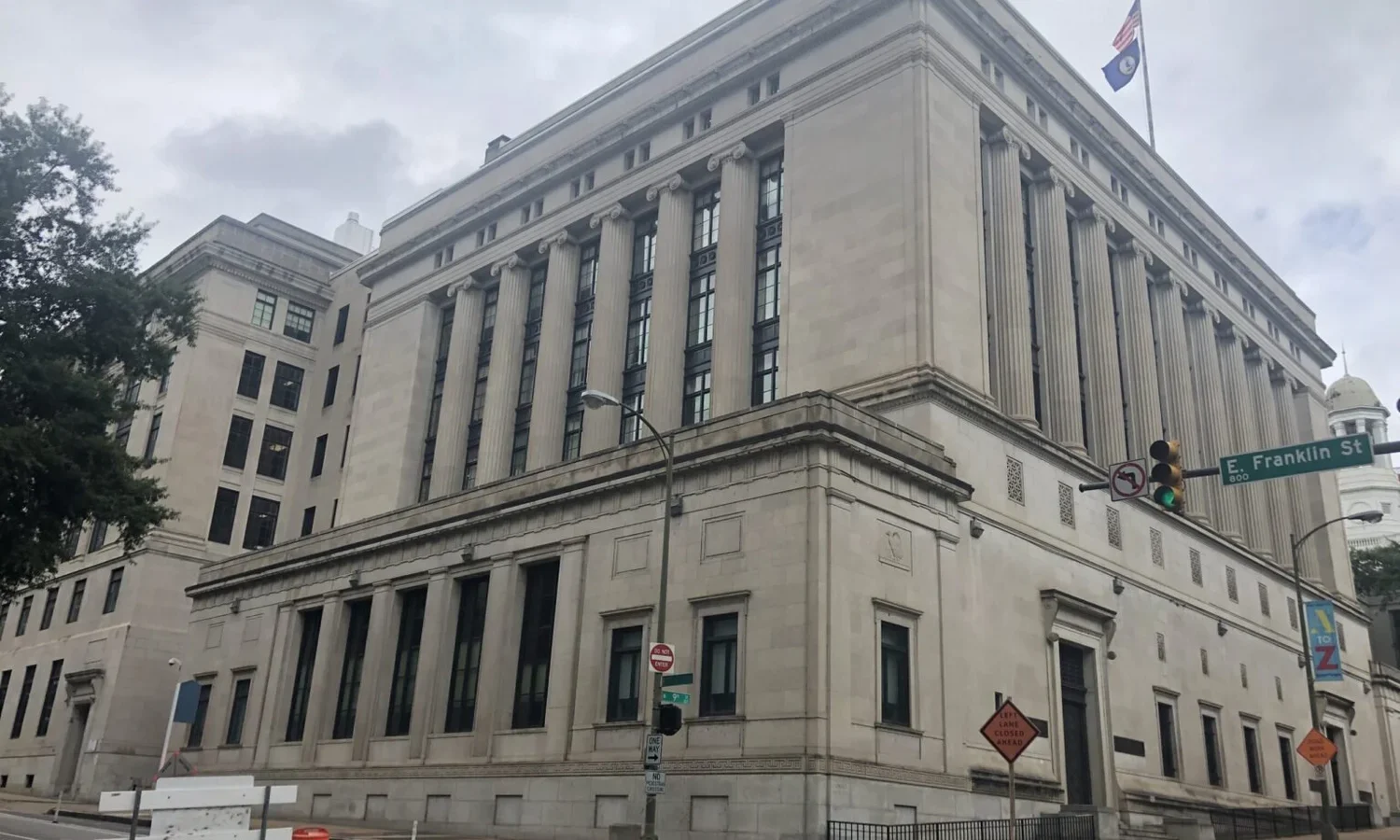
The recent ruling by the Virginia Supreme Court to strike down the state’s congressional map redraw, initially hailed as a win for Republicans, is far more than a simple partisan triumph. It represents a seismic shift, a stark warning echoing across the American political landscape about the future of electoral integrity and the very foundations of federalism. By stepping into the fray to overturn a legislatively approved map, the court has effectively weaponized judicial review against the will of elected representatives, blurring the lines of power and inviting a dangerous era of judicial activism in redistricting.
This decision, delivered on May 8, 2026, by a court that itself was shaped by partisan appointments, throws into question the established norms of how electoral boundaries are drawn. The court’s justification, while couched in legal terms, effectively bypasses the democratic process, substituting judicial decree for legislative compromise. This sets a perilous precedent: if courts can unilaterally discard maps approved by voters or their representatives, what recourse do citizens and legislators truly have? The implications are profound, potentially leading to a perpetual cycle of legal challenges and partisan gridlock that paralyzes governance.
Looking ahead five to ten years, this ruling could be the catalyst for a fundamental redefinition of federalism in the United States. We may witness a dramatic increase in state-level court interventions in national politics, leading to a patchwork of electoral rules dictated by judicial fiat rather than consistent legislative action. The losers in this scenario are clear: the principle of balanced federalism, where power is shared between federal and state entities, and the clarity of the electoral process itself. The winners, in the short term, might be the partisan factions that successfully leverage judicial channels to achieve their goals, but they risk presiding over a system so fractured it becomes ungovernable.
Consider three potential future scenarios:
- Scenario 1 (50% Probability): Increased Judicialization of Redistricting: State supreme courts nationwide become the primary arbiters of congressional maps, leading to prolonged legal battles, delayed elections, and inconsistent district boundaries across states. Federalism erodes as state courts gain de facto national electoral power.
- Scenario 2 (30% Probability): Federal Legislative Intervention: Congress, facing widespread chaos, attempts to pass federal legislation standardizing redistricting rules, potentially stripping more power from state courts but igniting fierce debates over federal overreach.
- Scenario 3 (20% Probability): A Return to Legislative Primacy with Safeguards: States develop more robust, bipartisan redistricting commissions, reducing the reliance on partisan legislatures and courts, thereby reinforcing federalist principles and electoral stability.
The Virginia Supreme Court’s decision, therefore, is not merely an isolated event; it is a symptom of a deeper malaise within the American system of governance. It corrodes trust in democratic institutions and signals a potential descent into an era where political outcomes are decided not by the ballot box, but by the bench.
💬 Join the Debate
Has the Virginia Supreme Court’s ruling opened the door for judicial branch overreach that will permanently destabilize American federalism?
Sources: