Before the Headline
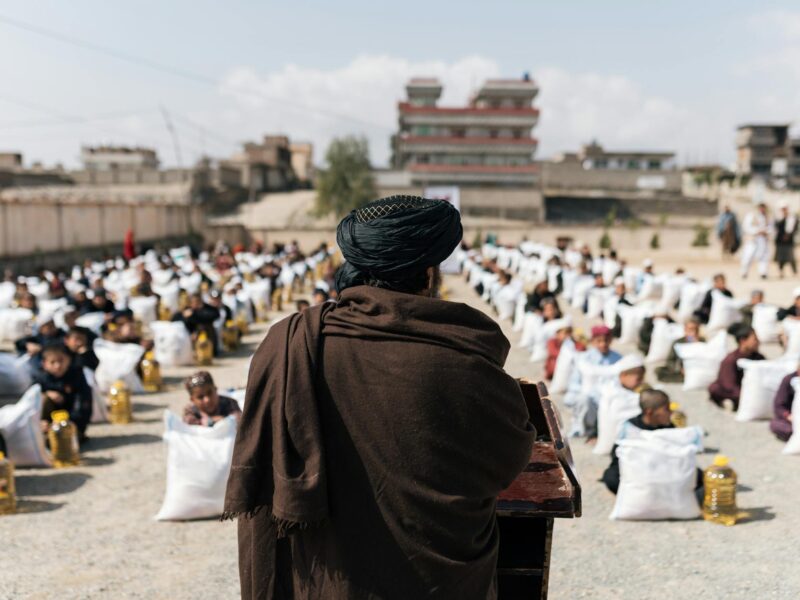
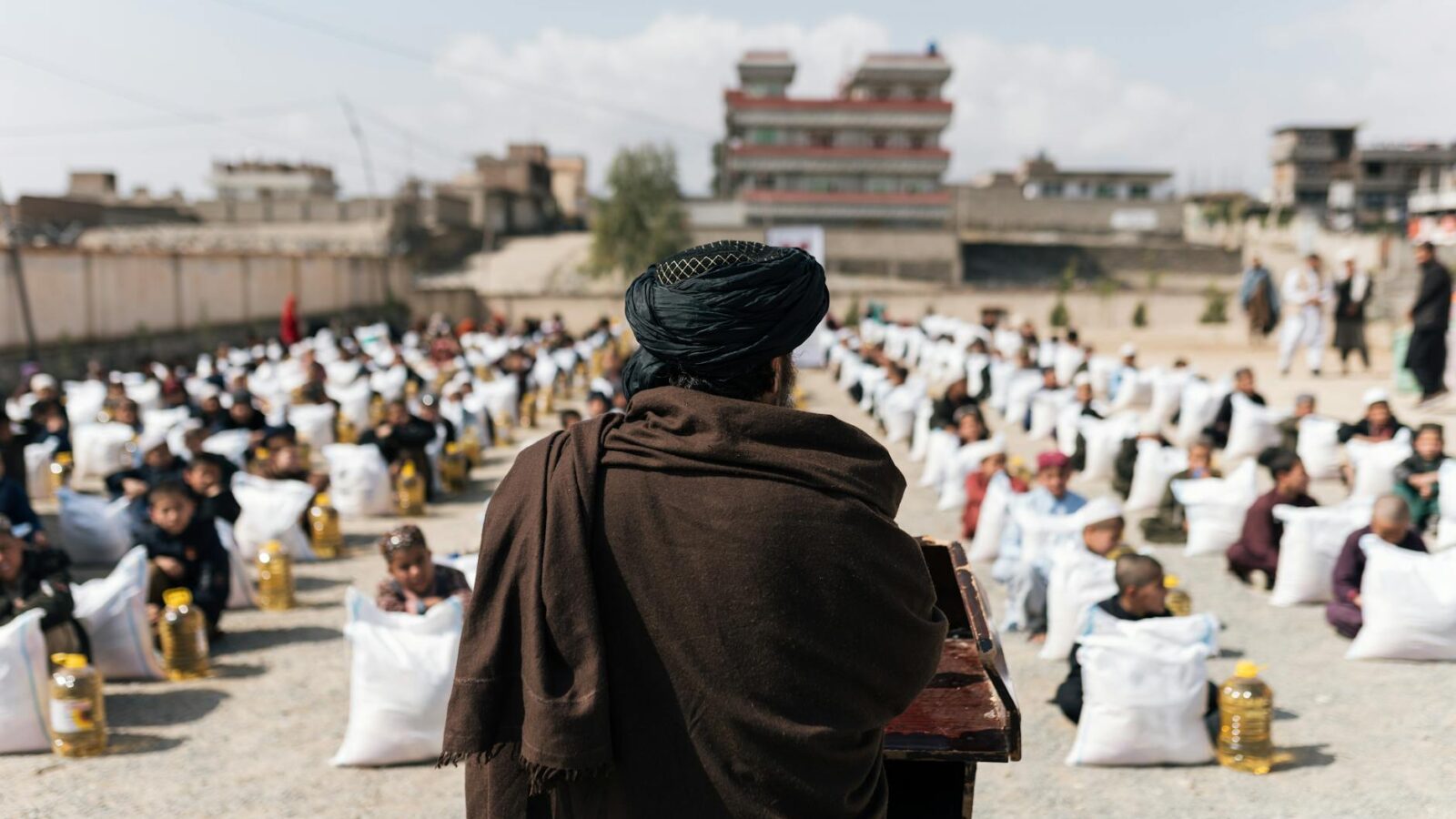
For decades, the United States Agency for International Development (USAID) has played a critical role in global humanitarian efforts, from combating diseases to providing food in crises. Under the Trump Administration, however, proposed cuts to foreign aid have raised significant concerns, echoing historical precedents such as the budget cuts during the Reagan era that left millions in dire need without assistance.
The recent studies forecasting that millions will die annually due to the closure of USAID underscore a grim reality: the agency’s dismantling directly correlates to an increase in poverty and preventable diseases across low-income nations.
The implications of shuttering USAID extend beyond humanitarian crises to the very foundation of global stability. Analysts estimate that if funding is significantly reduced or eliminated by the end of Q2 2025, at least 5 million additional deaths due to malnutrition and preventable diseases could occur in low-income countries by the end of Q4 2026. This projection, based on data from health organizations and mortality statistics, serves as a stark reminder of the cascading consequences of neglecting international aid.
Between the Lines
What remains unspoken in mainstream narratives is the potential for increased global instability resulting from reduced U.S. engagement. History has taught us that humanitarian neglect can lead not only to suffering but also to civil unrest and geopolitical strife. The silence from key officials on the long-term ramifications of USAID’s closure raises questions about the administration’s understanding of foreign policy, as the failure to address humanitarian needs could inadvertently fracture alliances and invite adversarial influences into vulnerable regions.
Moreover, the contradiction inherent in America’s stance as a global leader while withdrawing support for millions in need stands starkly at odds with its proclaimed values. While the Trump Administration may tout budget reductions as a means of prioritizing domestic issues, the echo of history suggests that isolationism breeds violence and instability abroad, which ultimately threatens U.S. security interests. The question, then, is not just how many lives will be lost, but what geopolitical vacuum will be created in their absence.
After the Headline
The near future will be crucial for assessing the fallout from these decisions. As we approach Q2 2025, indicators such as public health reports, migration patterns, and diplomatic relations will serve as critical markers of the global response to USAID’s closure. Observers should note that as international humanitarian organizations scramble to fill the funding void, the long-term impacts on governance and civil society in affected regions will begin to be felt, possibly exacerbating tensions and leading to wider conflicts.
As we look to Q4 2026, the mortality statistics from WHO and UNICEF will provide a tangible measure of the consequences of the funding cuts. If the projections come to fruition, the political and ethical ramifications for U.S. foreign policy will be undeniable, potentially shaping the course of future administrations.
TIMES Take: The closure of USAID presents a dramatic shift that could set off a chain reaction of humanitarian crises and global instability. As we turn away from our commitments, the resultant suffering may become a haunting legacy of our time.