Before the Headline
The recent actions taken by the U.S. State Department against artists have historical parallels with past instances of artists facing repercussions for their political expressions. From the McCarthy era’s blacklist to the Soviet Union’s tight grip on artistic expression, we see a recurring theme wherein governments grapple with cultural figures who dare to challenge political norms or express dissent. In today’s increasingly polarized global landscape, this tension persists, posing complex questions about the boundaries of free expression in art versus diplomatic decorum.
In a decisive move, the U.S. State Department has revoked the visas of the British punk-rap duo Bob Vylan following an inflammatory chant directed at the Israeli Defense Forces (IDF) during their performance at the Glastonbury Festival. The phrase “Death to IDF,” which reverberated through the audience at this renowned festival, became the catalyst for an expedited governmental response, showcasing the sensitivity of U.S. foreign policy in an era marked by heightened scrutiny of artistic freedom.
This incident underscores a significant intersection of art, activism, and governance. The rapid visa revocation reflects a broader trend where artists are becoming increasingly accountable for their public statements and performances—especially when those statements resonate with the volatile sentiments surrounding global conflicts. The choice of the State Department to act so swiftly may indicate a calculated attempt to send a warning, signifying the extent to which artistic expression is now entangled with political ramifications.
Between the Lines
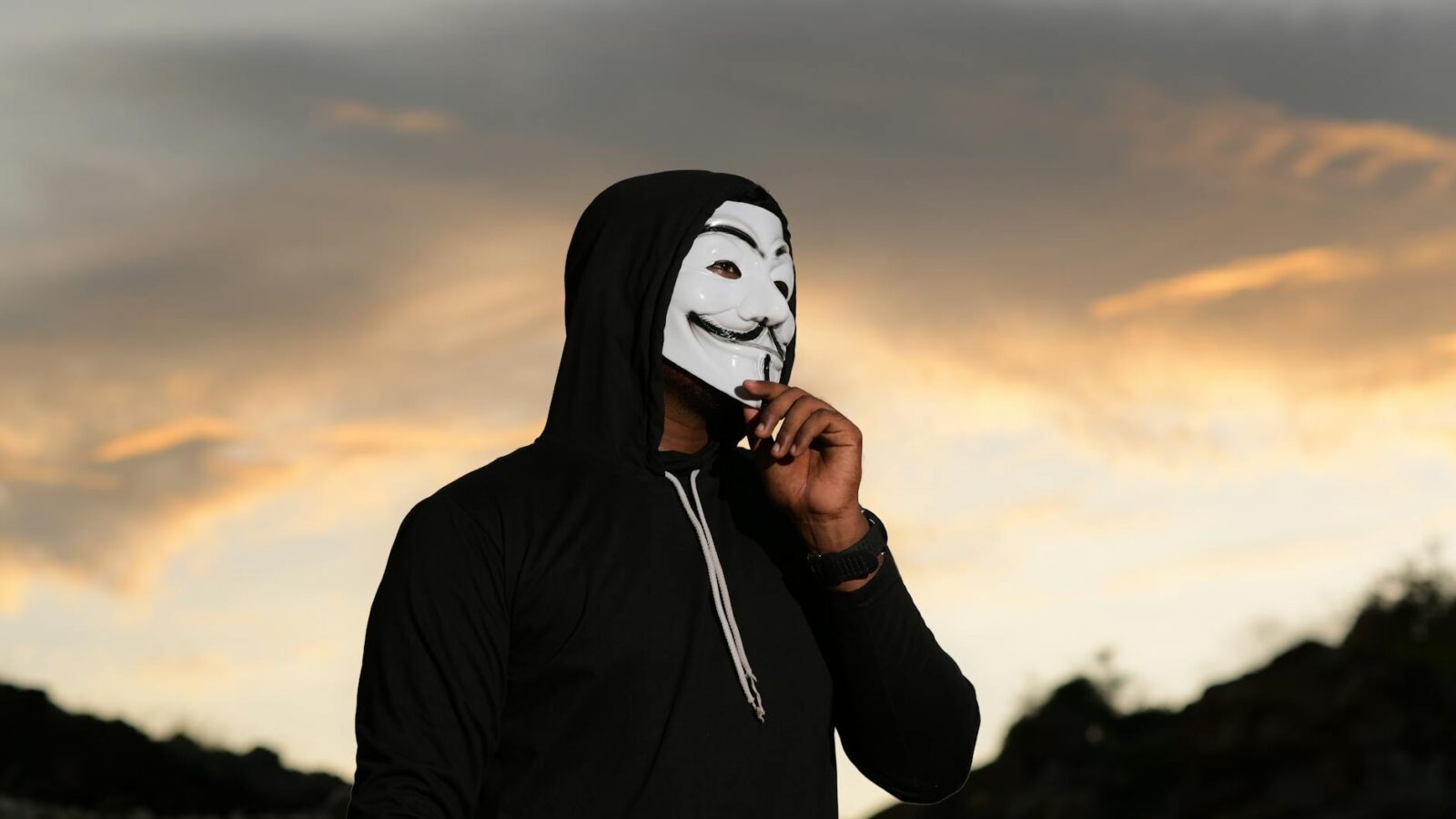
What is often overlooked in the mainstream narrative is the extent to which this action serves as a chilling signal to artists worldwide: the line between art and politics is narrowing. While public figures regularly espouse opinions that can sway political sentiment, artists like Bob Vylan—whose work challenges societal norms—face unique risks in freely voicing their stances. The administration’s decision reflects a contradiction; while the U.S. prides itself on artistic freedom, this incident reveals the inherent tensions when art intersects with geopolitics.
Furthermore, the silence from significant music industry figures regarding this revocation raises critical questions about solidarity among artists. The absence of a unified voice from the artistic community—or even a discussion about the implications of such actions—suggests a rift between the artistic ideals of freedom of expression and the stark realities of a politically charged atmosphere. The lack of public outcry indicates a hesitance to challenge state authority, a reminder that the art world can be susceptible to the repercussions of government scrutiny.
After the Headline
Looking ahead, the implications of this incident could extend far beyond Bob Vylan. Artists must now navigate an increasingly contentious landscape where their expressions may jeopardize their ability to perform internationally. Key indicators to monitor include upcoming public statements from both the U.S. government and international artists’ responses to this incident, particularly in how they engage with broader political conflicts. The cancellation of tours, public boycotts, or a surge in political art could emerge as tangible reactions to this unfolding dynamic.
Moreover, as the global artistic community grapples with the ramifications of this event, any further actions taken by the U.S. regarding artist visas will be critical to watch. Major music festivals and cultural events in 2024 will serve as a testing ground for how artists choose to balance their artistic integrity with the risks of political backlash.
TIMES Take: This incident epitomizes the escalating complexities of artistic expression and political accountability. As governments wield the power to silence dissent, the stage becomes a battleground for not only creativity but also the very principles of free expression that underlie democratic values.