Before the Headline
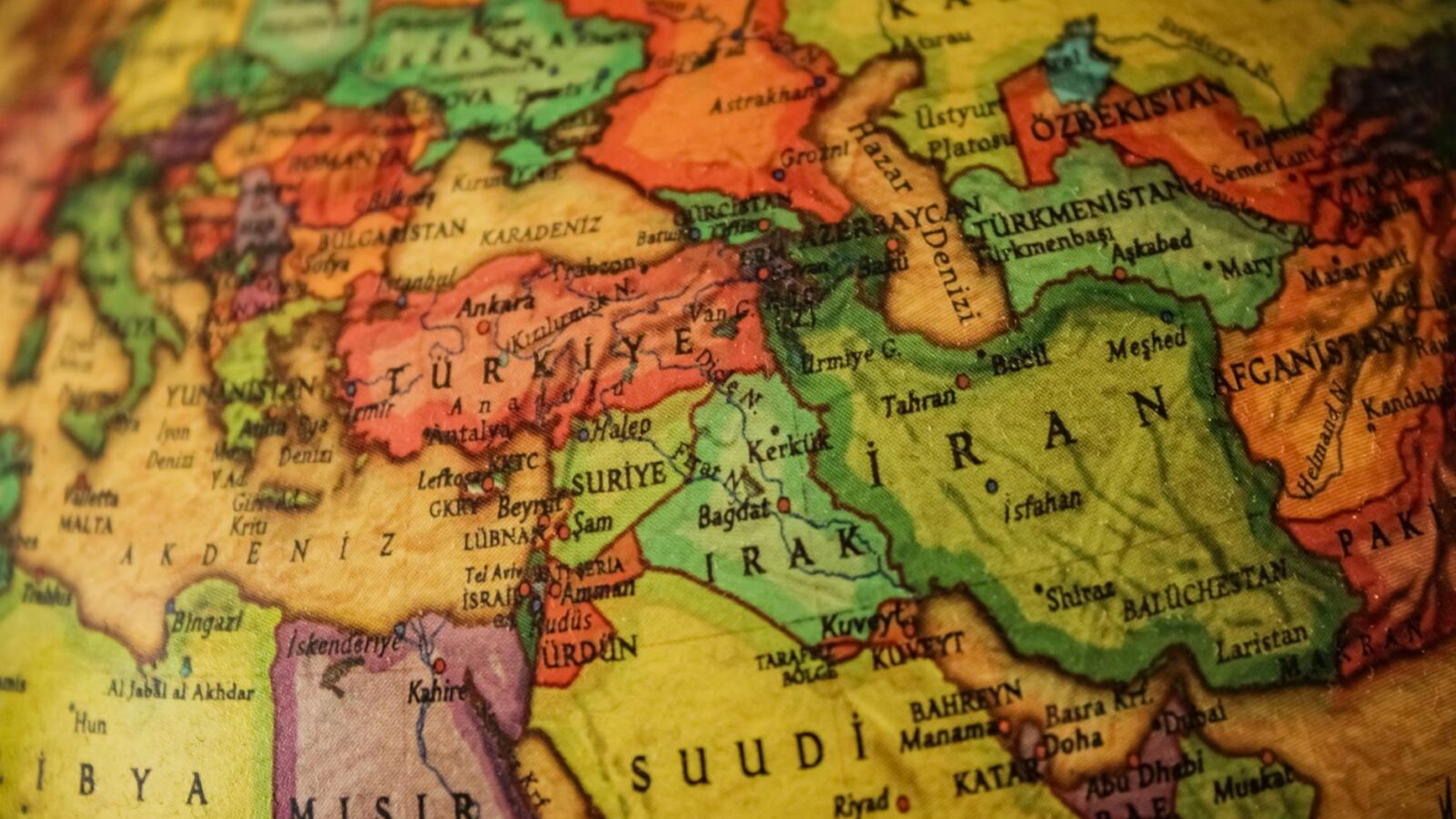
The long-standing conflict between Iran and Israel has ebbed, reflecting a broader historical pattern where regional tensions often recede only to leave behind a volatile landscape. This is reminiscent of the 1994 ceasefire between Israel and the PLO, which, while initially celebrated, ultimately failed to secure lasting peace. The players today are not merely Iran and Israel; they encompass a range of Arab nations now grappling with the repercussions of this de-escalation.
As the dust settles on the Iran-Israel conflict, a shift is palpable. Diplomatic channels have reopened, and the potential for dialogue seems promising, yet the implications for Arab nations remain fraught. While the rhetoric surrounding this de-escalation suggests relief, it belies an intricate reality fraught with uncertainty and potential discord.
This evolving geopolitical landscape urges a closer examination. The de-escalation could obscure a newly simmering tension between Arab nations and Israel, as they navigate their relationships amidst a backdrop of perceived impunity for Israeli actions in the region. Historical parallels emerge, notably the post-Gulf War environment where a lack of accountability allowed regional aggressors to thrive. Arab leaders are now faced with a dilemma: how to respond to Israel’s actions without fracturing their own alliances.
Between the Lines
What mainstream narratives often overlook is the fragility of this moment. While leaders express relief at the conflict’s de-escalation, behind closed doors, they are deliberating their next moves against a backdrop of heightened Israeli aggression. The stark silence from many Arab nations regarding Israel’s past actions suggests an uncomfortable truth; the lack of accountability may embolden further provocations. Diplomatic normalization with Israel has not necessarily translated into stability; it has instead surfaced underlying tensions.
Additionally, the potential for new alliances is emerging as Arab states reassess their positions. The silence from key players such as Saudi Arabia and the UAE hints at a recalibration of their foreign policies regarding Iran. The unspoken conversations among Arab leaders are perhaps more consequential than public declarations, as nations weigh their responses to the changing dynamics of Middle Eastern geopolitics.
After the Headline
Moving forward, the geopolitical landscape in the region is likely to shift significantly. By Q2 2025, at least three Arab nations are predicted to formally realign their diplomatic relations with Iran, leading to new trade agreements and defense pacts. This shift will be driven by a growing perception of Israeli aggression, urging these nations to seek security and economic partnerships with Iran as a counterbalance.
Key indicators to watch include official announcements regarding diplomatic relations and joint defense initiatives, as well as the nature of economic agreements that may arise in response to the evolving situation. As regional players assess their diplomatic strategies, the potential for renewed conflict simmers just beneath the surface, warranting vigilance from analysts and policymakers alike.
TIMES Take: The de-escalation of the Iran-Israel conflict marks not an end, but a transformation in regional dynamics, with accountability and alliances hanging in a delicate balance.