Before the Headline
The current landscape of US-India relations is entangled in a complex web of historical grievances and economic interdependence. Over the last two decades, India has increasingly aligned with the United States, solidifying ties through defense agreements, trade partnerships, and strategic dialogues. However, the long shadow of past encounters, such as the Cold War’s non-alignment era and the contentious 1971 Bangladesh Liberation War, continues to loom large.
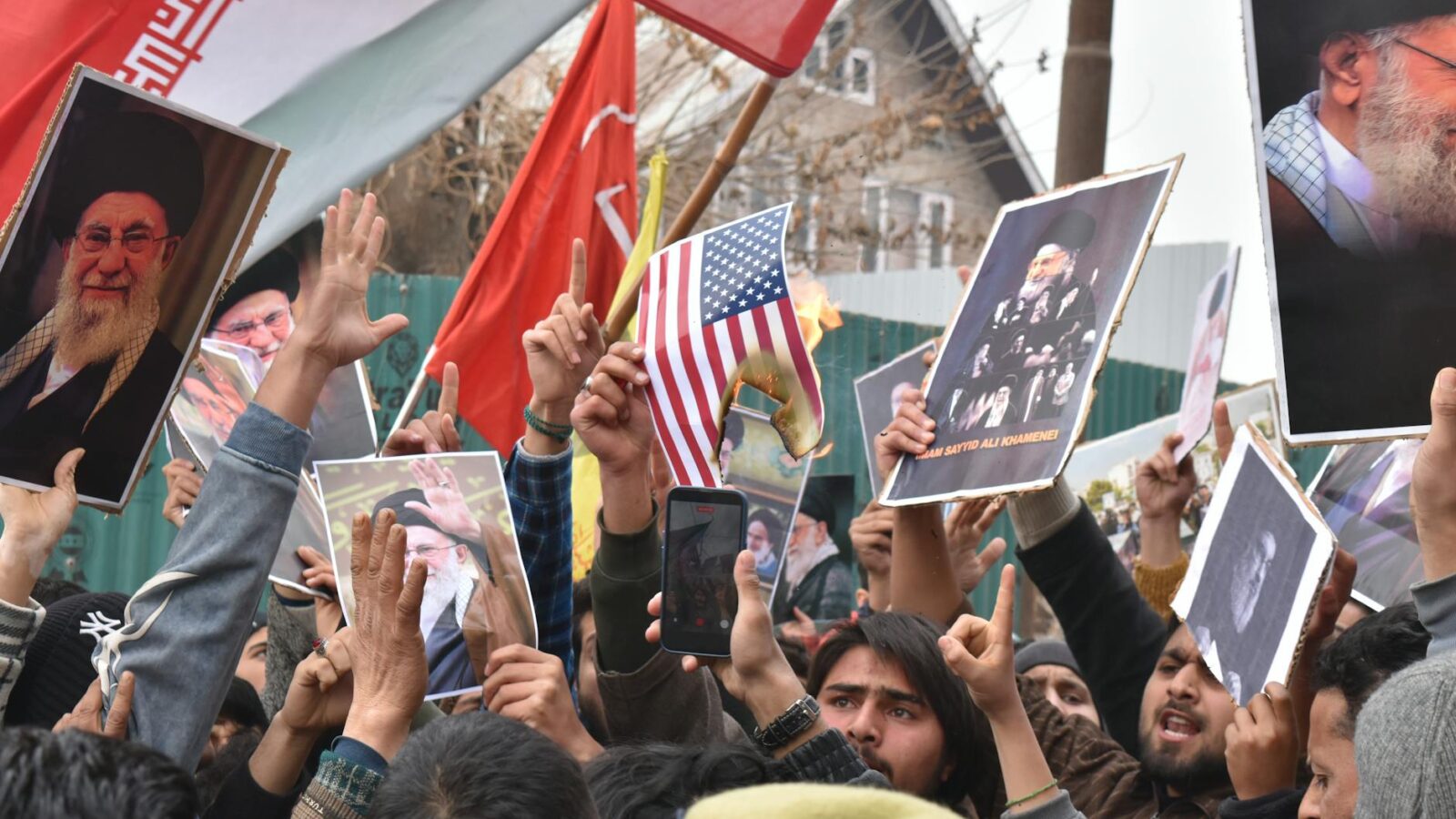
Amid heightened tensions from the ongoing US-Israel conflict, anti-US sentiment is quietly gaining momentum among the Indian populace. Surveys indicate a noticeable shift in public opinion, as economic strain and geopolitical alignment increasingly draw attention to the costs of such partnerships.
This evolving sentiment reflects more than just immediate economic impacts; it taps into a deeper historical narrative that resonates with a growing segment of the Indian public. Many citizens are expressing discontent over perceived US hegemony and its intertwining with global conflicts that directly affect their lives. The impact of rising commodity prices, particularly in energy, coupled with a sense that India’s interests are overlooked, serves as a catalyst for this shift.
For instance, public discourse has increasingly scrutinized India’s defense procurement from the US, as citizens question whether these expenditures align with national priorities. The historical context of India’s non-alignment—rooted in the belief that alliances should not come at the cost of sovereignty—resonates strongly today.
Between the Lines
What the mainstream narrative often overlooks is the emotional and historical weight carried by economic decisions. While many focus solely on the immediate financial implications of the US-Israel conflict, the underlying discontent highlights a broader reevaluation of India’s global posture. There exists an undercurrent of resentment towards the US, stemming from perceptions of the country as a principal architect of global instability—an assertion not openly voiced by political leaders concerned about diplomatic ramifications.
Moreover, the silence from Indian officials about public sentiment reveals a profound contradiction. While India’s government publicly champions its strategic partnership with the US, its populace increasingly views this alliance as a liability rather than an asset. This disconnect could shape future diplomatic engagements and may lead to a recalibration in how India engages with major powers.
After the Headline
As we look ahead, critical indicators will emerge to gauge the trajectory of India’s foreign policy. Key dates to watch include the next round of US-India defense dialogues and upcoming elections in India, which may see candidates capitalizing on this rising sentiment. This situation is ripe for analysis; by the end of 2025, India is expected to officially reduce its military and economic cooperation with the US by at least 15%, as signaled by a decline in joint defense exercises and military procurements.
Such a reduction would mark a significant pivot toward a more independent foreign policy, one that may seek to balance relations with other regional powers such as Russia and China. As the geopolitical landscape shifts, India’s leadership will need to navigate carefully between historical grievances and contemporary realities.
TIMES Take: The growing anti-US sentiment in India reflects a deeper historical narrative—one that could reshape the country’s foreign engagements as it seeks greater autonomy in an increasingly multipolar world.