Before the Headline
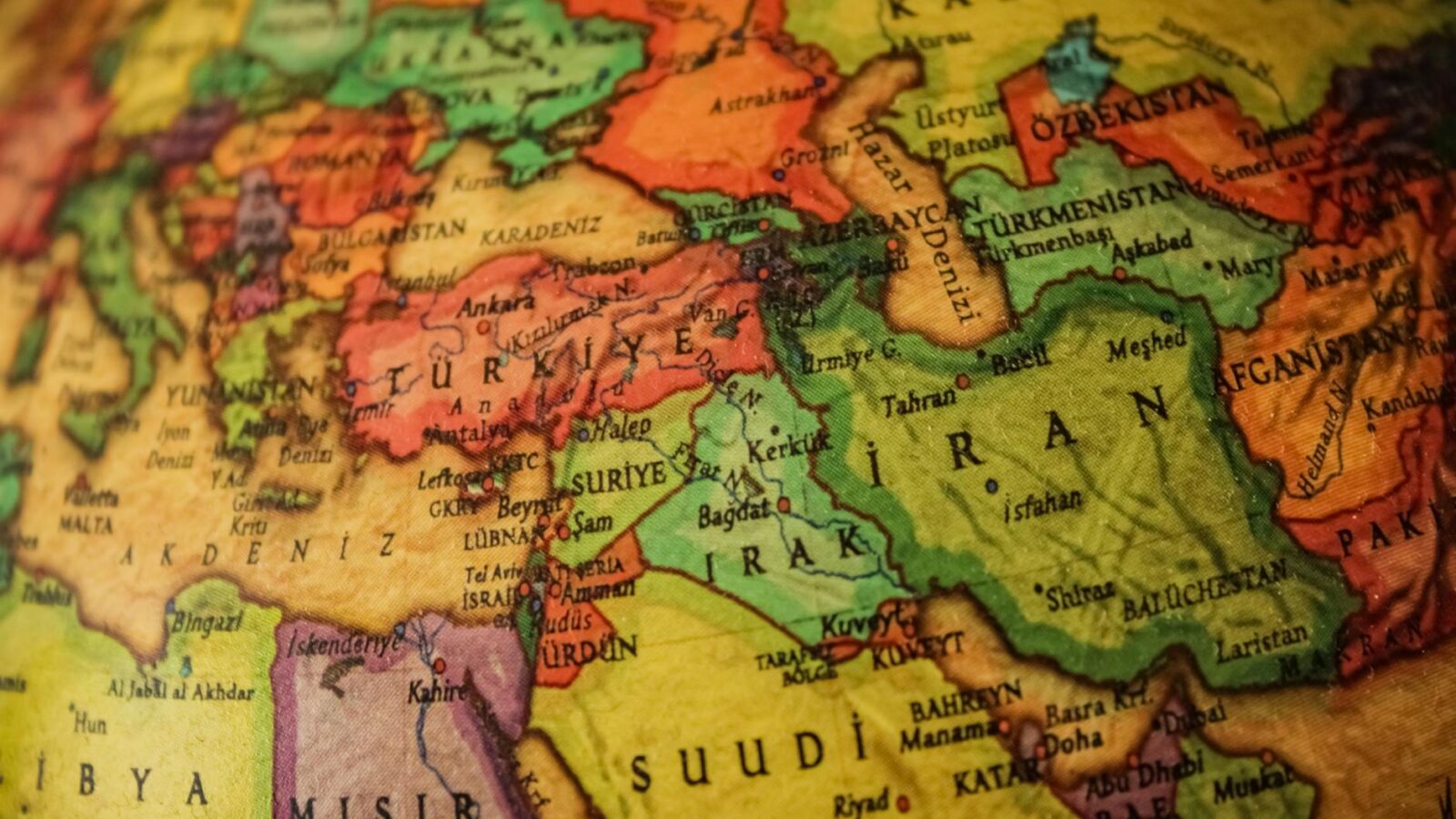
The long and intricate history of Israel’s confrontations with its neighbors has seen numerous ebbs and flows, but the recent de-escalation following the Iran-Israel war marks a significant pivot. The conflict has cast a long shadow over regional dynamics, with Arab nations historically caught in a precarious balance between opposing Israeli actions and maintaining diplomatic ties to safeguard their own interests.
In the aftermath of reduced hostilities, Israel is experiencing a renewed sense of confidence. This turnaround has been met with both relief and trepidation among Arab states, as they grapple with the evolving landscape of diplomacy and security.
This circumstance recalls the post-1973 Yom Kippur War era, when Arab nations found themselves reassessing their diplomatic engagements in light of Israel’s military successes. There exists a palpable fear that an emboldened Israel could seize this opportunity to further its territorial and political ambitions, potentially destabilizing the already fragile regional order. While the immediate cessation of conflict provides a temporary reprieve, the long-term implications suggest a recalibration in Arab diplomatic strategies is imminent.
What We Know
- The Iran-Israel conflict has recently de-escalated, leading to reduced military tensions.
- Many Arab nations express relief but also concern about Israel’s potential aggressive policies moving forward.
- Historical parallels exist with the aftermath of the 1973 Yom Kippur War, when Arab nations recalibrated their policies.
What We Don’t Know Yet
- How specifically will Israel’s newfound confidence influence its regional policies?
- What exact diplomatic shifts will Arab nations undertake in response to Israeli actions?
Between the Lines
What remains unsaid in the mainstream discourse is the significant fear among Arab leaders regarding Israel’s trajectory. While official statements may emphasize a commitment to peace, undercurrents of anxiety indicate that many leaders are preparing for a potentially aggressive Israel. The silence on Israel’s implications for regional stability is telling; it reflects a strategic unwillingness to provoke a direct confrontation while still needing to address domestic concerns about security.
Moreover, the narrative of relief is not without its contradictions. As Arab states publicly project optimism about reduced hostilities, privately, there is a palpable agitation about how this might embolden not only Israeli military actions but also its political rhetoric. A united front may be harder to maintain as individual states consider their own stances in the wake of perceived Israeli aggression.
What This Means for You
For investors: A potential shift in diplomatic strategies could affect market stability in the region, necessitating close monitoring of geopolitical developments. For commuters: Changes in security measures in response to escalating tensions could impact travel and safety protocols in the region. For diplomats and policymakers: Anticipate an increased need for dialogue as Arab nations may call for stronger collective responses to Israeli actions.
After the Headline
Moving forward, watch for key scenarios. By Q2 2025, at least three Arab nations are expected to publicly announce shifts in their diplomatic strategies towards Israel, transitioning from cautious engagement to open criticism. This may manifest through official statements and foreign policy changes, as regional actors reassess their alliances in light of Israeli posturing following the conflict.
Monitoring official announcements and foreign policy documents will provide essential insights into these developments. Additionally, key dates surrounding major summits and bilateral meetings will likely serve as indicators of the shifting diplomatic landscape.
TIMES Take: The Iran-Israel conflict may have cooled, but the aftermath could signal a hotter phase of regional diplomacy and the emergence of a more vocal and united Arab response to Israeli actions.